




The Engineering Ideas Changing How Structures Are Designed and Built
Engineering has always been about solving problems, but the way those problems are approached is changing quickly. From smarter materials to modular construction, today’s engineers have access to tools and ideas that make it possible to design structures that are safer, more adaptable and more efficient to build.
These changes are not just affecting headline-grabbing skyscrapers or futuristic bridges either. They are influencing warehouses, factories, public buildings and everyday infrastructure, often in ways that are easy to overlook.
Modular Design Is Making Construction More Flexible
One of the biggest shifts in modern engineering is the move towards modular systems. Rather than designing every part of a structure from scratch, engineers can use standardised components that are manufactured in advance and assembled on site.
This approach can reduce construction time, simplify installation and make future changes easier. It is particularly useful in industrial environments, where access platforms, barriers, handrails and other structures may need to be adapted as equipment or layouts change.
Modular systems also reduce the need for extensive welding or specialist fabrication. Solutions based around components such as those available from keesystems.com can allow engineers and installers to create strong tubular structures using versatile fittings, making it easier to respond to different site requirements.
Digital Modelling Is Improving Accuracy
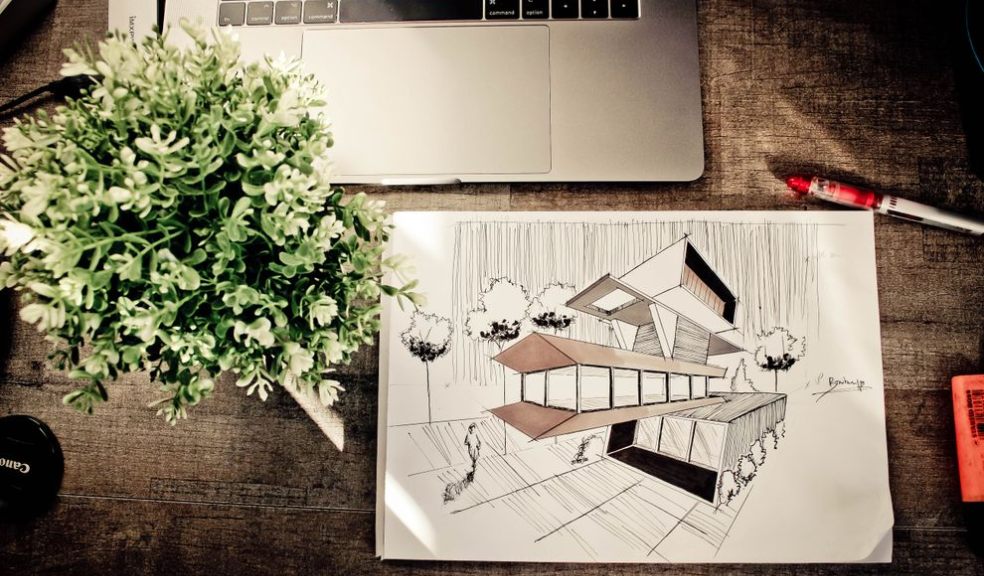
Computer-aided design has been used for decades, but digital modelling has become far more sophisticated. Building information modelling, commonly known as BIM, allows different teams to work from detailed digital representations of a structure.
This can help architects, engineers and contractors identify potential problems before construction begins. Clashes between structural elements, pipework or electrical systems can be spotted early, reducing the risk of costly changes once work is under way.
Digital models can also be updated throughout a building’s lifespan, helping maintenance teams understand exactly how different parts of the structure fit together.
Sustainability Is Shaping Engineering Decisions
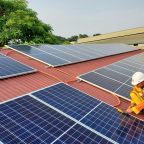
Environmental considerations now play a much bigger role in structural design. Engineers are increasingly looking for ways to use fewer raw materials, reduce waste and extend the useful life of buildings.
That might mean selecting recyclable materials, designing components that can be reused or creating structures that are easier to adapt rather than demolish and rebuild.
There is also growing interest in designing buildings that consume less energy. Everything from natural ventilation to insulation and orientation can influence the environmental performance of a structure.
Smart Technology Is Becoming Part of the Structure
Modern buildings are becoming more connected. Sensors can monitor movement, temperature, vibration and structural stress, providing engineers with valuable information about how a building performs in real conditions.
This technology can help identify maintenance requirements before they become serious problems. In bridges, factories and large commercial buildings, early warnings can improve safety while reducing unexpected downtime.
Designing for Change
Perhaps the most important engineering idea influencing modern construction is adaptability. Buildings are expected to last for decades, but the way they are used can change much faster.
By combining modular construction, digital design, smarter monitoring and more sustainable materials, engineers can create structures that are better prepared for the future.
The result is a new approach to construction where flexibility matters just as much as strength. Rather than simply asking whether a structure can be built, engineers are increasingly asking how easily it can evolve, perform and remain useful for years to come.