






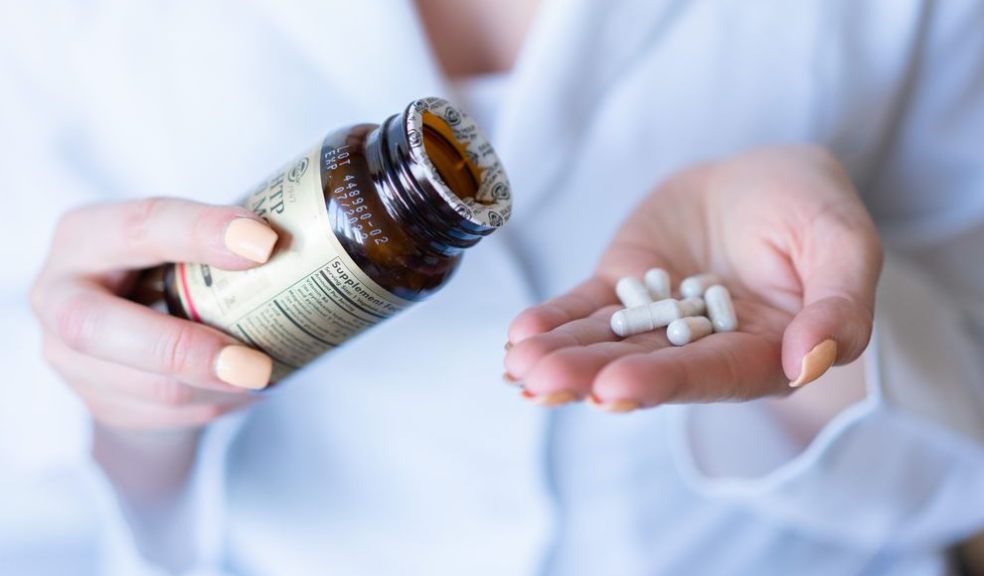
Mushrooms Having a Moment in UK Wellness Culture
Wellness habits in the UK rarely settle for long, and each year brings a new ingredient that families and gym-goers alike start asking about. Collagen had its moment, then adaptogens took hold, and now something older than either has begun turning up in coffee, capsules and even chocolate bars. Now, mushrooms, once reserved for plates and forest walks, have found their way into supplement aisles and daily discussions about focus, calm and energy alike.
How Mushrooms Earned a Place in British Wellness Culture
Fungi have supported human health for centuries across parts of Asia, long before "adaptogen" became a familiar word on this side of the world. What's different today is the pace at which that knowledge has reached UK households. Search interest in terms like lion's mane has climbed steadily, and that pattern points to lasting curiosity instead of a passing trend.
Supermarkets, coffee chains and pharmacies have all responded by giving fungi-based products more shelf space, and social media has given ordinary people a platform to share what they've tried. You don't need a specialist health store anymore to come across reishi, chaga or cordyceps.
The Many Faces of Functional Mushrooms in the UK
Not every mushroom on the shelf serves the same purpose, and knowing what sets each one apart makes it easier to figure out what might suit you. Here's a look at the varieties turning up most often in UK supplement ranges.
Reishi and Its Place in Herbal Tradition
Reishi has been part of East Asian herbal traditions for centuries, known for its glossy, dark exterior and bitter taste. Its fruiting body contains compounds called triterpenes and beta-glucans, which give it its place in that long history of use. It's usually sold as a tincture, powder or capsule, and many people choose to take it in the evening, often alongside a cup of tea before bed.
Cordyceps and Its Traditional Reputation
Cordyceps carries a reputation among runners and gym-goers, thanks partly to its unusual origin as a fungus once foraged at altitude in the wild, though most UK supplements now come from cultivated sources grown indoors on grain-based substrates. That cultivation has made supply far more consistent than it once was. It's one of the mushrooms people mention first when the topic of stamina comes up, largely because of its long-standing use in traditional Chinese medicine.
Chaga and Its Antioxidant Compounds
Chaga grows on birch trees and contains notable levels of antioxidant compounds, which has made it a fixture in teas and coffee blends across the UK. Its earthy, coffee-like flavour makes it an easy swap for your usual brew, and its appeal lies in that antioxidant content more than in any single claim about what it does for you.
Turkey Tail and Its Fungal Compounds
Turkey tail is named for its fan-shaped, striped appearance, and it grows readily across UK woodland. It contains polysaccharides called PSK and PSP, which have made it one of the more studied mushrooms in scientific literature, and you'll often see it included in blended formulas alongside other mushrooms instead of sold on its own.
Lion's Mane and Its Growing Popularity
Lion's mane has become one of the more talked-about names on this list, known for its shaggy, coral-like appearance and its long history in East Asian cuisine and herbal use. Online, lion's mane supplement benefits are a common topic of discussion, and if you're curious about the compounds involved, a fuller lion's mane benefits breakdown looks at what's inside the mushroom itself. Capsules and tablets are the most common way to take it, and people who track their own use often mention lion's mane tablet benefits as easier to note than powders, since each dose stays the same.
Choosing Quality Over Trend
With so many brands competing for attention, it's worth pausing before you add anything new to your cupboard. Extraction method, dose and fruiting body content all affect how much of the active compound you're getting, and two products with similar packaging can differ hugely once you check the label. Independent testing and clear sourcing information are good signs, and this matters as much for lion's mane supplement benefits as for any other extract, since potency depends on what the capsule truly contains.
It's also worth remembering that mushroom extracts sit alongside, and not instead of, the wider nutrients your body needs, so the NHS vitamins and minerals overview is a useful starting point if you want to check how your overall diet measures up first. Brands such as Fitimins supplements have built their approach around this kind of transparency, publishing dosages and extraction details instead of leaving customers to guess.
Making Mushrooms Part of Your Day
Once you've settled on a product, consistency matters more than the amount you take on any single day. Most people notice changes gradually, so building a fungi supplement into your morning coffee, or a simple capsule alongside breakfast, usually works better than sporadic use. Keep an eye on how you feel over several weeks and not just a few days, and adjust the dose if something isn't suiting you. Pairing your supplement with decent sleep and a varied diet will always do more for you than the capsule alone.