






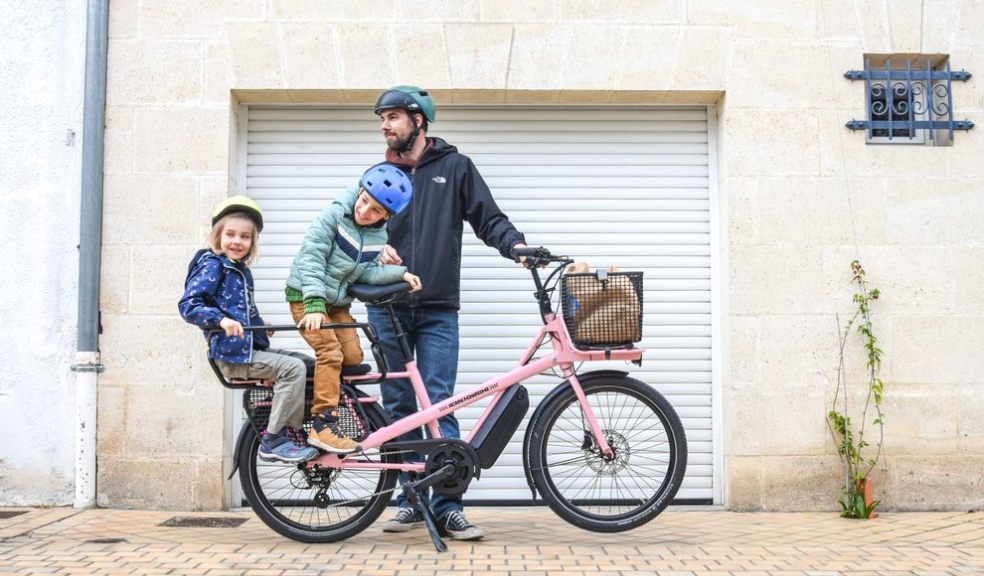
Electric Cargo Bikes: A Practical Alternative for Family Errands, School Runs and Short UK Trips
Many family journeys are shorter than they feel.
The school run. A quick visit to the supermarket. A trip to nursery. A stop at the local high street. A ride to the park. A small parcel pickup. A journey to a weekend activity, sports club or friend’s house. These trips are often only a few miles, but they can still create a lot of daily stress.
For many households, the car becomes the default choice.
That is understandable. A car carries children, bags, shopping, coats, lunch boxes and all the small things that come with family life. It protects people from the weather and feels convenient when time is limited.
But for short local journeys, the car is not always the easiest option. Parking can be difficult. Traffic around schools can be stressful. Fuel and running costs add up. Town centres can feel crowded. And for a journey of one to five miles, a full car is often more vehicle than the trip really needs.
That is why electric cargo bikes are becoming more interesting for UK families.
They are not about giving up the car completely. They are about having another practical option for the short, repeated journeys that shape daily life.
Why Electric Cargo Bikes Fit Modern Family Life
A normal bicycle is excellent for one person.
It is simple, affordable and easy to ride. But family life often involves more than one person and more than one bag. Parents may need to carry children, school bags, shopping, work items, sports equipment or small household errands in the same trip.
A standard electric bike can make riding easier, especially with hills, wind or longer routes. But most standard e-bikes are still designed mainly around one rider.
Cargo bikes solve a different problem.
They are built around carrying capacity. With electric assistance, that extra load becomes easier to manage. The motor helps when setting off, riding into wind, climbing small inclines or carrying shopping and children. This makes the cargo bike more realistic for everyday family use.
For families who want to reduce short car trips without giving up carrying space, an electric cargo bike can be a practical option for school runs, shopping, local errands and weekend family rides.
Its value is not just environmental. It is practical. It gives families a way to move around locally without needing to start the car for every small journey.
The Short Car Trip Problem
Short car journeys are common because they feel easy.
In reality, they are not always efficient. A short trip by car can involve traffic, parking, loading, unloading and waiting. Around schools, nurseries and local high streets, the process can become even more stressful.
The problem is not that families are unwilling to choose greener transport. The problem is that many alternatives do not feel practical enough.
Walking may take too long. A standard bicycle may not carry enough. Public transport may not match the route or schedule. A normal e-bike may work for one adult but not for children, shopping or family equipment.
An electric cargo bike sits between these options.
It is smaller than a car, more flexible than public transport and more capable than a standard bicycle. For many short local journeys, that balance can make sense.
It does not need to replace every journey. Even replacing two or three short car trips a week can make daily life feel lighter and reduce pressure on parking, traffic and fuel costs.
School Runs, Shopping and Everyday Errands
The school run is one of the clearest use cases.
Many families live close enough to school for cycling to be possible, but ordinary cycling may feel difficult with younger children, bags and morning time pressure. A cargo e-bike can make the journey more manageable by giving children and school items a dedicated place.
Shopping is another strong example. Not every supermarket trip needs a car. A cargo bike can carry groceries, household items or bags from the local high street. For smaller, more frequent shopping trips, it can be faster and simpler than finding parking.
Weekend family activities also fit naturally. A ride to the park, café, library, sports club or friend’s house becomes easier when there is space for what people need to bring.
This is where cargo bikes are different from many other forms of transport. They are not just for commuting. They fit the ordinary messiness of family life.
They carry the things that make families reach for the car.
Electric Cargo Bike vs Standard Electric Bike
Choosing an electric bike should start with the journeys you actually make: whether you ride alone, carry children, transport shopping or need a compact commuting solution.
A standard electric bike is often the better choice for solo commuting, short personal trips, fitness rides or simple local travel. It is usually lighter, easier to store and more familiar to ride.
An electric cargo bike is better suited to carrying.
It is designed for families, heavier shopping, daily errands and riders who need more space. The frame, rack, passenger setup or cargo area gives it a different purpose from a normal e-bike.
That does not mean one is better than the other. It means they serve different lifestyles.
A person living alone with a short commute may prefer a city e-bike or folding e-bike. A parent managing school runs and shopping may find a cargo e-bike much more useful. A household may even use different bike types for different needs.
The key is to avoid choosing only by appearance or battery size. The right bike is the one that matches the real journey.
What to Check Before Buying an Electric Cargo Bike
An electric cargo bike should be chosen carefully because it carries more responsibility than a standard bike.
The first thing to consider is carrying capacity. Riders should understand what the bike is designed to carry and avoid overloading it. Children, shopping and accessories all add weight, and that weight affects braking, balance and handling.
Stability is also important. A cargo bike should feel predictable when starting, stopping and turning. Low-speed control matters because many family trips involve junctions, school gates, shared paths and busy local roads.
Brakes are essential. Carrying extra weight means the bike needs reliable stopping power. Riders should feel confident slowing down safely, especially in wet weather or stop-start traffic.
Battery range should be matched to real use. A cargo e-bike may use more energy when loaded, especially on hills or in windy conditions. The biggest battery is not always necessary, but there should be enough range for daily routes with a comfortable reserve.
Tyres affect comfort, grip and confidence. Wider, stable tyres can be useful for family riding, especially on uneven surfaces or rougher local roads.
Lighting, mudguards and weather protection also matter in the UK. Families may use the bike in early mornings, after school, during darker months or in light rain. Practical accessories can make the difference between occasional use and regular use.
Storage should not be overlooked. Cargo bikes are larger than standard bicycles. Before buying, households should think carefully about where the bike will live, how it will be secured and whether it can be charged conveniently.
Safety Comes First When Carrying Children or Cargo
Safety is the most important part of cargo bike use.
When carrying children, the bike should be fitted with suitable seating, restraints or accessories designed for that purpose. Riders should make sure children are positioned correctly and that the bike remains stable while loading and unloading.
It is also important to practise before using the bike on busy roads. A cargo e-bike handles differently from a standard bicycle. It may be longer, heavier and slower to turn. Riders should get used to braking, starting, turning and parking before carrying passengers in traffic.
Route choice matters too. A calmer route may be better than the shortest route. Quiet streets, cycle lanes, parks and low-traffic areas can make family riding more comfortable.
Speed should be kept sensible. Electric assistance is helpful, but cargo riding is not about rushing. With children or heavy loads, smooth riding is more important than speed.
Riders should also check current UK rules for road-legal electric bikes and make sure the bike is suitable for everyday public-road use. If a vehicle does not meet the relevant requirements, it may be treated differently from a standard pedal-assist e-bike.
Weather and Everyday UK Conditions
UK weather is part of the decision.
A cargo e-bike may be used in light rain, wind, colder mornings and darker evenings. That means practical setup matters. Mudguards, reliable lights, weather-resistant accessories and good tyres all contribute to everyday usability.
Some families may also consider rain covers or child protection accessories. These can make school runs and nursery trips more realistic in less-than-perfect weather.
Battery care is another consideration. Batteries should be charged and stored sensibly, especially in very cold or wet conditions. The easier the charging routine, the more likely the bike is to be used regularly.
This is the reality of family transport: a vehicle must work on ordinary days, not only on sunny weekends.
Fiido T2, T3 and T3 Max as Cargo E-Bike Examples
Different electric cargo bikes suit different types of households.
Fiido T2 represents a practical family and passenger-friendly cargo concept. It is suited to riders who want more carrying ability than a standard e-bike while still keeping the bike manageable for daily local trips.
Fiido T3 reflects a more compact utility approach. It can suit riders who want cargo function for errands, shopping and short-distance everyday mobility without necessarily choosing the largest possible format.
Fiido T3 Max sits closer to a more robust cargo direction. For riders who need more capacity, stronger daily utility and greater confidence when carrying heavier loads, this type of model shows how cargo e-bikes can become a serious household transport option.
These examples show that cargo e-bikes are not all the same. Some focus on family use, some on compact utility, and others on heavier-duty carrying. The right choice depends on how much space is needed, who will be riding, what will be carried and where the bike will be stored.
Storage and Security
Storage is one of the biggest practical questions.
An electric cargo bike takes up more room than a normal bike. It may not fit easily in every hallway, shed or small garden space. Before buying, families should measure carefully and think about daily access.
Can the bike be moved in and out easily? Is there a safe place to lock it? Can the battery be charged conveniently? Is the storage area covered from rain? Will the bike block other household routines?
Security is just as important. Cargo e-bikes are valuable and should be protected with strong locks, secure parking habits and sensible storage. If the battery is removable, taking it indoors can also help with charging and security.
A bike that is hard to store or difficult to secure may become stressful to own. A bike that fits well into the home routine is far more likely to be used often.
When an Electric Cargo Bike Is Not the Best Choice
An electric cargo bike is useful, but it is not right for everyone.
If a household has no safe storage space, a cargo bike may be difficult to manage. If local routes feel unsafe or lack suitable cycling infrastructure, families may need to think carefully before using one regularly. If most journeys are long, high-speed or involve very large loads, a car may still be more practical.
A cargo e-bike is also larger and heavier than a standard electric bike. Some riders may find it takes time to build confidence, especially when carrying children.
That does not make the category less useful. It simply means the decision should be realistic.
An electric cargo bike works best when the household has frequent short journeys, suitable routes, storage space and a genuine need to carry more than one person or more than a small bag.
A More Flexible Future for Family Travel
Family transport does not need to depend on one vehicle.
Cars will remain important for longer journeys, bad weather, large loads and trips outside local areas. Public transport will continue to serve many commuting and town-centre routes. Walking will remain the simplest option for very short trips.
Electric cargo bikes can fill the space between these choices.
They give families a practical way to handle local travel without using the car every time. They can make school runs, shopping and short errands easier while supporting a more active, lower-emission lifestyle.
This is especially relevant in towns and cities where parking, congestion and short-distance travel are everyday concerns. A cargo e-bike does not solve every transport problem, but it gives households another tool.
Sometimes that is enough to change habits.
Conclusion: Cargo E-Bikes Make Short Family Trips Easier
An electric cargo bike is not about replacing every car journey.
Its real value lies in the short, repeated trips that shape family life: school, nursery, shopping, parks, local appointments, weekend activities and everyday errands.
By combining electric assistance with carrying space, it offers something a standard bicycle cannot always provide and something a car may be too large to justify. It helps families move children, shopping and daily items in a way that is more flexible, active and space-efficient.
The best electric cargo bike is not necessarily the biggest or most powerful model. It is the one that fits the household’s real journeys, storage space, safety needs and daily routine.
For many UK families, that may make it one of the most practical transport choices available.
Not for every journey.
But for the short ones that happen all the time.