





Five skip hire mistakes that could leave homeowners facing fines
Searches for skip hire have risen by 18% over the past month as more UK households embark on summer projects.
However, experts at Yell warn that mistakes involving prohibited waste, permits and overloaded skips could lead to extra costs, delays or fines.
Hazardous materials including asbestos, chemicals, paint, gas cylinders, batteries and tyres should not normally be placed in a general skip. Many electrical items also require specialist disposal.
Homeowners must ensure their rubbish is handed to an authorised waste carrier. Those unable to prove they made appropriate checks could face enforcement action if it is later fly-tipped.
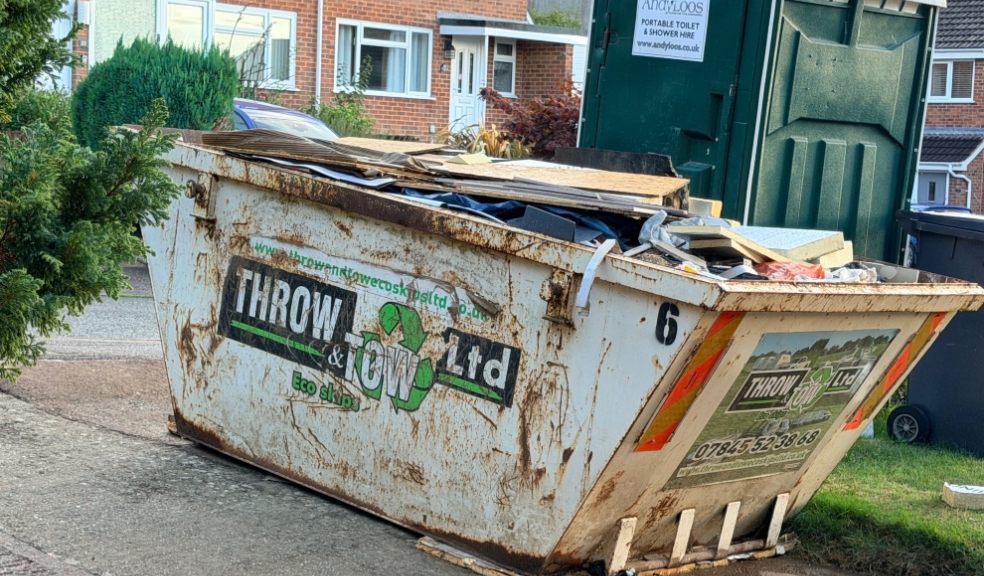
A permit is generally not required when a skip sits entirely on private land. However, permission is needed before placing one on a public road, with unlicensed skips potentially attracting fines of up to £1,000.
Skips may also require reflective markings, cones and night-time lights and must not obstruct pavements, junctions, driveways or emergency access routes.
Overfilling can prove expensive too. Waste should not extend above the top because the company may refuse collection or charge for removing the excess.
Yell advises homeowners to confirm permit arrangements with their provider, check that it is registered to carry waste and keep an invoice or receipt.
With councils in England dealing with more than one million fly-tipping incidents during 2024-25, checking the rules could prevent a summer project from becoming considerably more expensive.