






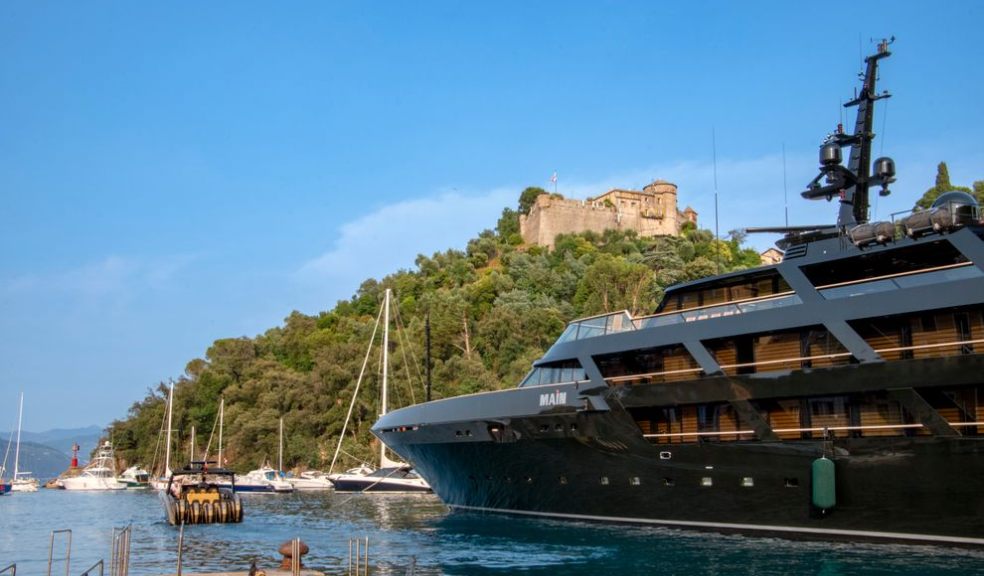
Beyond the Beach: 6 Mediterranean Experiences Worth Travelling by Sea For
The Mediterranean is synonymous with sun-drenched beaches and glamorous coastal towns, but some of its most memorable experiences lie beyond the obvious. Travelling by sea opens up a different side of the region, where ancient settlements, volcanic landscapes, exceptional food and secluded islands can all become part of the same journey.
For travellers looking for more than a conventional summer escape, these six experiences show why the Mediterranean remains one of the world's great destinations for adventure.
1. Explore the Volcanic Landscapes of the Aeolian Islands
North of Sicily, the Aeolian Islands offer a dramatically different perspective on Italy. This UNESCO-listed archipelago was shaped by volcanic activity, creating black-sand beaches, rugged cliffs and steaming landscapes.
Stromboli remains one of the region's most fascinating stops, with its active volcano regularly producing spectacular displays. Travellers can hike with experienced guides before returning to the coast as evening falls. Nearby, Lipari offers archaeological sites and lively waterfront restaurants, while quieter Filicudi and Alicudi reward those prepared to venture further.
2. Discover Croatia Beyond Dubrovnik
Dubrovnik deserves its reputation, but Croatia becomes particularly rewarding when you leave its most famous city behind. Hundreds of islands are scattered along the Adriatic coast, ranging from fashionable destinations to virtually uninhabited stretches of wilderness.
Vis is an excellent example. Once largely closed to foreign visitors because of its military importance, the island retains an unhurried character, with fishing villages, vineyards and hidden coves. Further north, the Kornati Islands offer stark landscapes and exceptionally clear water.
A Superyacht charter makes it possible to move between these contrasting environments without repeatedly packing, transferring between hotels or adhering to ferry schedules.
3. Taste Your Way Around the Mediterranean
Food can provide its own reason to travel, particularly in a region where culinary traditions change dramatically over relatively short distances.
A journey might begin with Provençal markets and freshly landed seafood on the French Riviera before continuing towards Liguria for pesto, focaccia and local Vermentino. Further south, Sicily introduces pistachios, citrus, swordfish and dishes influenced by centuries of Mediterranean trade.
Exploring from the water also creates opportunities to visit smaller ports that are easily overlooked on traditional itineraries. Local markets can supply ingredients for meals onboard, while evenings ashore provide the chance to discover family-run restaurants away from the busiest resort centres.
4. Seek Out the Balearics' Wilder Side
Ibiza and Mallorca may be famous for nightlife and beach clubs, but the Balearic Islands have another personality entirely. Northern Mallorca is dominated by the Serra de Tramuntana mountains, where hiking routes pass limestone peaks, olive groves and historic villages.
Menorca offers an even slower pace. Its coastline is dotted with sheltered coves, while much of the island has been protected as a UNESCO Biosphere Reserve. Then there is tiny Formentera, where turquoise shallows and white beaches create an atmosphere closer to the Caribbean than mainland Europe.
For travellers who want to combine these islands while retaining complete flexibility, a luxury mediterranean yacht charter provides the freedom to balance time ashore with swimming, watersports and secluded anchorages.
5. Follow Ancient Civilisations Through Greece
Few destinations combine natural beauty and history as effortlessly as Greece. Its islands contain traces of civilisations stretching back thousands of years, meaning a morning swim can easily be followed by an afternoon exploring an archaeological site.
The Cyclades provide plenty beyond Santorini and Mykonos. Delos was once one of the ancient world's most important religious centres, while Naxos combines classical ruins with mountain villages and fertile farmland. Further south, Crete offers Minoan palaces, dramatic gorges and a distinctive culinary identity.
Travelling between islands reveals how geography shaped individual communities, creating traditions and architecture that remain remarkably varied.
6. Experience the Mediterranean Outside High Summer
July and August may attract the largest crowds, but the Mediterranean can be equally compelling during its quieter months. May, June, September and early October often bring warm weather alongside calmer towns and less congested harbours.
Spring is particularly appealing for hiking and exploring historic sites before temperatures peak, while early autumn brings warm seas and harvest season to many wine-producing regions.
Travelling outside the busiest weeks also encourages a slower approach. Instead of racing between headline destinations, there is more reason to linger in small harbours, explore local communities and let each day develop naturally.
Seeing a Familiar Region Differently
The enduring appeal of the Mediterranean comes from its variety. Within a relatively compact region, travellers can encounter volcanic islands, ancient ruins, mountain landscapes, world-class cuisine and remarkably different cultures.
Approaching these destinations from the sea adds another dimension. The coastline stops being merely a backdrop and becomes the route itself, revealing quieter places between the famous names and turning the journey into as much of an experience as the destination.