






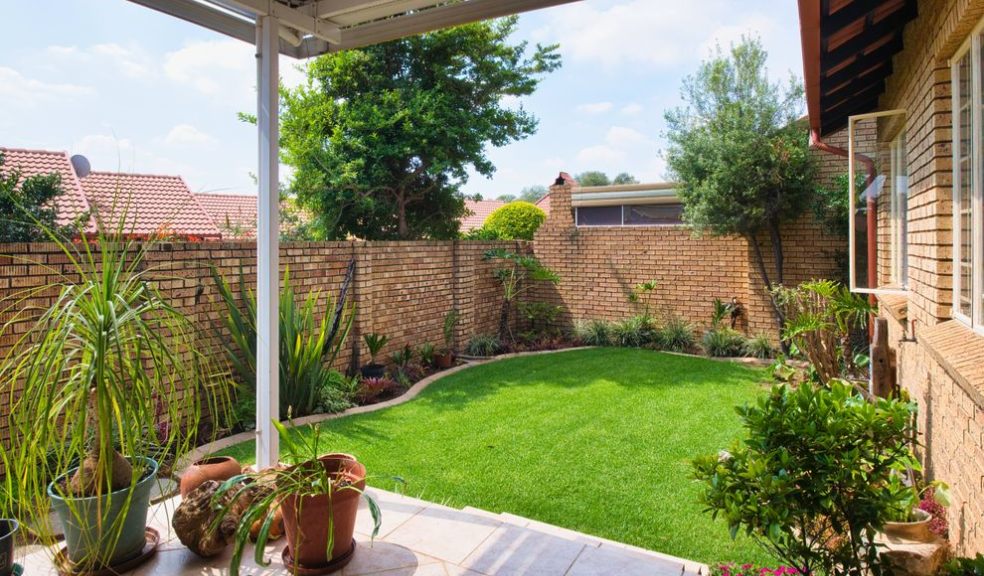
How to Create an Outdoor Space That Fits a Busy Lifestyle
A well-planned garden can provide valuable extra living space, whether it is used for weekend lunches, children's play or a quiet cup of tea after work. Yet keeping a garden looking good can easily become another job on an already long household list.
For people balancing work, family life and social commitments, spending hours every week on garden maintenance may hold little appeal. The answer is to plan the space around the time available. Choosing practical surfaces, manageable planting and useful furniture can create an attractive garden without filling every spare weekend with chores.
Design Around How You Actually Use the Garden
Before buying furniture or filling a trolley with plants, think about what you want to do outside. A household that regularly hosts friends may value a generous dining area, while a family with young children might prefer to leave plenty of open space for games. Others may simply want somewhere comfortable to read or enjoy a sunny afternoon.
A garden can serve several purposes at once. Creating clear zones helps give each activity its own place. A paved dining area could sit near the kitchen, with an open play area nearby and a small seating corner at the far end.
Planters, outdoor rugs and different flooring materials can separate these areas visually without taking up much room. This approach works particularly well in smaller gardens where every square metre needs a purpose.
Choose Surfaces with Maintenance in Mind
The surface underfoot can affect both the appearance of a garden and the amount of routine care it requires. There is no single choice that suits every household, so consider how each area will be used before making a decision.
A natural lawn offers a familiar green finish but usually needs mowing and seasonal care. Paving can work well beneath tables and chairs, although occasional cleaning may be needed. Decking can create an attractive seating area but also requires suitable care depending on the material.
For households looking at alternatives to a natural lawn, artificial grass may be one option to consider, particularly where regular mowing does not suit the weekly schedule. Factors such as drainage, appearance, installation, upkeep and intended use should all form part of the choice.
Using different surfaces across the garden can also be practical. Rather than selecting one material for the entire space, match each area with a surface suited to its purpose.
Keep Planting Manageable
Plants add colour and texture, but a good display does not have to rely on complicated beds that require frequent attention. Hardy varieties suited to the garden's soil, light levels and available space can reduce unnecessary work.
Containers are particularly useful for straightforward planting. Pots can bring colour to patios and seating areas, and they are easy to rearrange when you fancy a change. Grouping several containers together can create a stronger visual effect without requiring a large border.
For beds, repeating a smaller selection of plants can produce a calm, consistent appearance. It can also make ongoing care simpler than managing many varieties with different requirements.
Make the Space Inviting with Simple Details
Small additions can change how a garden feels without creating much extra work. Comfortable chairs immediately make an outdoor area easier to enjoy, while a bench can provide useful seating without occupying as much space as a large furniture set.
Lighting can make the garden pleasant to use on warm evenings. Solar lights, lanterns or outdoor wall lights can add a soft glow around seating and dining areas.
Colour also helps bring everything together. Pick two or three shades for cushions, pots and accessories rather than buying unrelated pieces over time. Repeating those colours around the garden can give the space a considered look with relatively little effort.
Create a Garden That Works for Your Week
A successful garden should fit comfortably around everyday life. There is little value in creating an outdoor space that demands far more attention than the household can realistically give it.
By starting with how the garden will be used, selecting suitable surfaces and keeping planting straightforward, it is possible to reduce routine jobs while creating somewhere worth spending time. Add comfortable furniture and a few carefully chosen accessories, and the result can be a welcoming outdoor space that works on busy weekdays as well as relaxed weekends.