





Could the summer heatwave have damaged your home?
Britain’s scorching summer may have left more than sunburn and parched gardens in its wake, with homeowners being warned that prolonged hot and dry weather could have caused damage to their properties.
Home experts say extended periods without rain can cause soil to dry out and shrink, potentially resulting in movement beneath a home’s foundations and increasing the risk of subsidence.
The problem can be particularly acute in areas with clay soil, which expands when wet and contracts as it dries.
MyBuilder home expert Andy Simms is urging householders to check their properties following this summer’s prolonged spells of hot weather.
“When there has been such a lack of rain, moisture evaporates from the soil,” he said. “Clay soils in particular can shrink, and foundations start to move and lose the support they need.
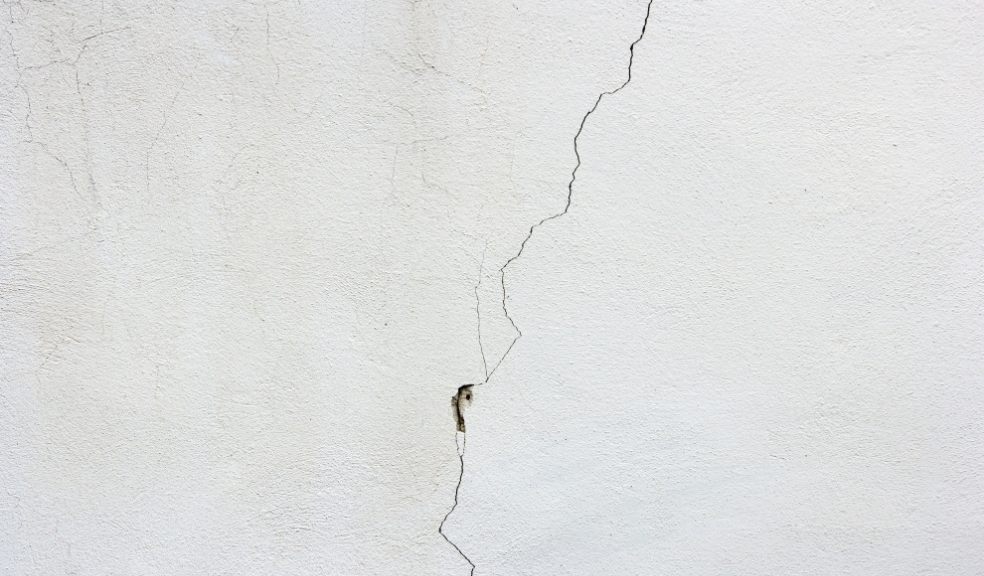
“As the ground moves in an uneven fashion, so does the foundation above it, causing cracks to appear.
“It’s not an unusual problem and can be treated if you catch it early. There are certain signs to look out for, such as diagonal cracks, those you can see from both inside and outside your home, and doors and windows sticking.
“Don’t panic if you do see any signs, but also don't ignore movement – noticing it early on can prevent larger problems later down the line.”
Previous periods of extreme heat have coincided with substantial increases in subsidence insurance claims.
MyBuilder says insurers paid an estimated £219 million in subsidence claims following the hot summer of 2022, while payouts reportedly reached around £307 million during 2025.
Signs to look out for
Not every crack is evidence of subsidence, but homeowners should pay particular attention to cracks wider than around 3mm, diagonal cracks that are wider at the top, and cracks that can be seen on both the inside and outside of a property.
Other warning signs can include cracks around doors and windows, wallpaper creasing where walls meet ceilings, doors and windows beginning to stick as frames distort, and cracks appearing where an extension joins the main building.
Homeowners who spot potentially significant movement are advised not simply to fill the cracks and redecorate.
Instead, specialist advice should be sought from a chartered surveyor or structural engineer, particularly where cracks are widening quickly, running diagonally or are more than around 5mm wide.
Buildings insurers should also be contacted before major structural or landscaping work is undertaken if subsidence is suspected.
There are steps homeowners can take to reduce future risks too.
Andy said people should consider how impermeable driveways, paths and other hard surfaces could affect the amount of rainfall reaching the soil around their property.
Expert advice should also be sought before planting or removing trees close to a house, particularly where shrinkable clay soil is present.
Mature trees can draw substantial quantities of moisture from the ground, but removing established trees can also alter soil moisture levels.
Andy added that foundations for new homes and extensions should be designed with local soil conditions – and the potential impact of a changing climate – in mind.