






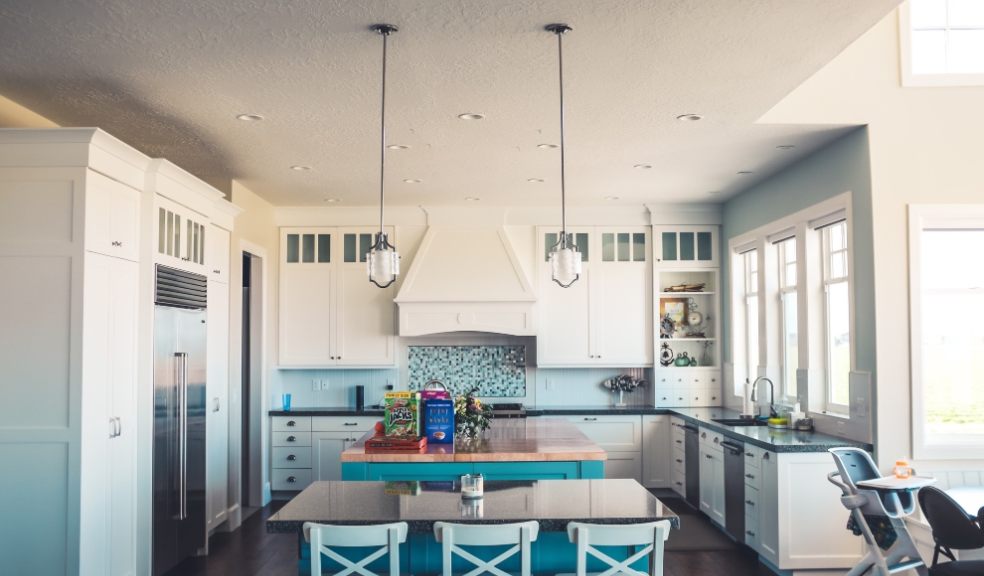
Six things people forget when planning a new kitchen
A new kitchen can be one of the biggest investments homeowners make – but getting it right involves much more than choosing cabinets, worktops and appliances.
Some of the decisions that have the greatest impact on how a kitchen works are also among the easiest to overlook.
Joy Delaney, NPD and Technical Director at Doulton Water Filters, says homeowners should think carefully about their everyday routines before settling on a design.
How you cook, entertain, store food, use water and move around the room can all influence whether a new kitchen remains practical long after the renovation is complete.
Here are six things to consider before work starts.
1. Think about how you really use your kitchen
Modern kitchens are often expected to do much more than provide somewhere to cook.
For many households, they are also spaces for eating, entertaining, working from home and spending time together.
Before choosing a layout, consider what you use most often, where people naturally gather and what frustrates you about your existing kitchen.
Those everyday habits can provide a much better starting point than simply designing a room around how you want it to look.
2. Make storage work harder
More cupboards do not necessarily make a kitchen more practical.
Think about what needs to be stored and where you are most likely to use it.
Cookware, small appliances, food, cleaning products and recycling all have different requirements, and placing them close to where they are needed can make everyday tasks much easier.
3. Get the small details right early
Sockets, lighting, plumbing and appliance positions can be easy to overlook when attention is focused on cabinets and worktops.
But changing them once work is underway can be difficult and potentially expensive.
Consider how different areas will be used throughout the day. Task lighting, for example, can help around food preparation areas, while softer lighting may work better when the kitchen is being used for dining or entertaining.
4. Consider how you use water
The position of the sink is only part of the equation.
Think about how often your household fills reusable bottles, makes tea and coffee, prepares food and needs easy access to drinking water.
Anyone considering a water filtration system may also find a renovation is the easiest time to incorporate one, particularly if plumbing and worktops are already being changed.
5. Plan for life without a kitchen
Homeowners can become so focused on the finished room that they forget about the disruption involved in getting there.
Kitchen renovations can take several weeks, so consider in advance where you will prepare meals, keep essential food, make hot drinks and wash dishes while work is underway.
Setting up a temporary kitchen elsewhere in the home with essentials such as a kettle, microwave and small fridge can make the process considerably easier.
6. Think five years ahead
Kitchen trends can change quickly, while a new kitchen is expected to last for years.
Consider how your household and routines could change over that period and whether the layout will still suit you.
Flexible storage and adaptable spaces can help a kitchen evolve rather than becoming impractical as circumstances change.
Joy said homeowners should ultimately prioritise the features that make everyday life easier rather than designing solely around current trends.
The most successful kitchens, she added, are those that continue to work well long after the builders have left.