Essential Care for New Cat Owners
A new kitten needs a safe home, suitable food, regular veterinary care and plenty of patient interaction. Those first weeks also shape everyday habits, from using the litter tray to feeling comfortable around visitors. Preparing in advance will make the transition less stressful for both you and your cat, while a consistent routine will help you notice quickly when something seems wrong.
Preparing for Your Kitten's Arrival
Set up one quiet room before bringing your kitten home. A spare bedroom or calm corner of the living room can work well, provided you can limit access to hazards. Place a bed, water bowl, litter tray and a few toys there, keeping the litter tray away from food and water. This smaller territory gives your kitten time to adjust without becoming overwhelmed.
Check the room from a kitten's eye level. Secure loose electrical cables, remove toxic plants and block narrow spaces behind appliances or furniture. Windows should close securely, while balconies need suitable screening. Store cleaning products, medicines and small objects inside cupboards. Kitten care essentials for first-time owners also include a sturdy carrier, scratching surface and grooming supplies.
Ask the breeder, rescue centre or previous carer which litter and food the kitten already uses. Familiar products reduce the number of changes happening at once. If you want to switch brands, wait until the kitten has settled and make the change gradually.
Early expenses can include vaccinations, parasite treatment, identification and unexpected veterinary care. It helps to plan for these costs before bringing your kitten home so routine care and emergencies do not come as a surprise.
Feeding and Nutrition Basics
Feed a complete kitten food formulated for growth. Kittens need more energy and certain nutrients in different proportions from adult cats, so standard adult food may not support their development adequately. Check the packaging for the intended life stage and use the manufacturer's portion guide as a starting point.
Young kittens usually cope better with several small meals spread across the day. At around eight to twelve weeks, four meals may be appropriate. This can gradually fall to three and then two meals as the kitten grows, guided by your vet and the feeding instructions. Practical kitten feeding guidance can help you organise portions, but individual needs will vary with age, activity and body condition.
Measure meals instead of filling the bowl whenever it looks empty. Treats and table scraps can add substantial calories, even when each serving appears small. If you use treats for training, include them in the daily food allowance and choose pieces suitable for a kitten.
Provide fresh water at all times. Some cats prefer a wide ceramic or stainless steel bowl because their whiskers don't brush against the sides. Place water away from the litter tray and consider offering another bowl elsewhere in the home.
Change food over roughly seven days by mixing increasing amounts of the new product into the old one. Sudden changes may cause vomiting or diarrhoea. Contact your vet if digestive symptoms persist, contain blood or occur alongside tiredness or refusal to eat.
Routine Veterinary Check-ups
Arrange a veterinary appointment soon after your kitten comes home, even if records show that previous care has been provided. Bring all paperwork, including details of vaccinations, microchip registration and parasite treatments. The vet can confirm what has been completed and create a schedule based on the kitten's age, health and living arrangements.
During the first examination, the vet will usually check the kitten's eyes, ears, mouth, heart, lungs, skin and abdomen. Weight and body condition provide useful baselines for later visits. This appointment is also a good time to discuss neutering, dental care, grooming and safe travel in a carrier.
Vaccination schedules vary according to the kitten's circumstances and the products used, so follow your own vet's timetable. Keep the kitten indoors and away from unfamiliar cats until the vet confirms that the planned initial protection is in place.
Parasite prevention also needs professional guidance. Products differ by age, weight and species, and a treatment intended for another type of pet can be dangerous to cats. Never estimate a dose or use a product without checking that it is suitable.
After the initial series of visits, attend the check-ups recommended by your practice. Routine examinations can identify changes in weight, teeth or general condition before they become obvious at home.
Understanding Potential Health Issues
Learn your kitten's normal habits so that changes stand out. Notice how much they eat and drink, how often they use the litter tray and how energetic they are at different times of day. A simple weekly weight record can also be useful during the early growth period, particularly if your vet has raised a concern.
Warning signs include repeated vomiting, persistent diarrhoea, breathing difficulty, collapse, seizures, trouble passing urine or a swollen abdomen. These symptoms need prompt veterinary advice. Refusal to eat is also significant in a young kitten because small animals can deteriorate quickly. Call your veterinary practice instead of waiting overnight if you are unsure about the urgency.
Eyes should look clear and open, with no persistent discharge. Frequent sneezing, coughing or nasal discharge may point to a respiratory problem. Excessive scratching, bald patches and dark debris inside the ears can suggest skin parasites or an ear condition.
Litter tray behaviour can reveal health problems as well as stress. Repeated visits with little or no urine, crying while attempting to urinate, or blood in the tray require urgent attention. Don't assume toileting outside the tray is deliberate misbehaviour.
Unexpected treatment can become expensive, especially if a kitten needs diagnostic tests, medication or emergency care. When considering how you would manage eligible veterinary costs, you may wish to compare cat insurance through Healthy Pets, paying close attention to exclusions, excesses, waiting periods and cover limits.
Avoid treating symptoms with human medicines. Several common household medicines are toxic to cats, and safe treatment depends on the kitten's weight and diagnosis. Keep a note of your regular practice's telephone number and the local out-of-hours service where everyone in the household can find it.
Socialisation and Playtime
Positive early experiences help a kitten grow into a confident adult cat. Introduce new people, household sounds and handling gradually, giving the kitten somewhere to retreat. Let visitors sit quietly and allow the kitten to approach on their own terms. Forced contact can create fear and make future handling more difficult.
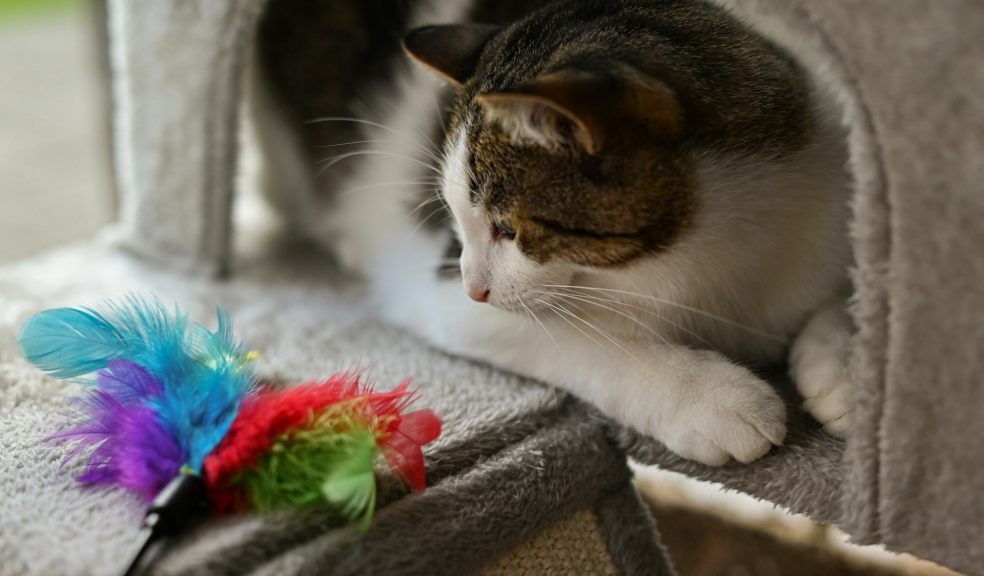
Use short play sessions several times a day. Wand toys, light balls and cardboard boxes encourage natural chasing, pouncing and exploring. Put string-based toys away after each session because loose strands can cause injury if swallowed. Hands and feet should never serve as toys, even when playful biting seems harmless in a small kitten.
Include gentle handling in the daily routine. Briefly touch the paws, look at the ears and lift the lips, stopping before the kitten becomes distressed. Pairing these actions with a small food reward can make grooming and veterinary examinations easier later. Introduce brushing in the same way, using a tool suited to the coat type.
Scratching is normal feline behaviour, so provide a stable post tall enough for the kitten to stretch fully. A horizontal scratching pad may also help because individual cats have different preferences. Place scratching surfaces near sleeping areas or furniture the kitten has shown interest in.
End active play with a small meal when possible, then allow time for rest. Kittens sleep for much of the day and need quiet periods without handling. Over the first few weeks, predictable meals, gentle play and an undisturbed bed will help your new cat treat the home as a secure place of their own.