






Creative Ways to Personalise Your Home, Fashion and Everyday Belongings
Personal details can turn an ordinary object into something that feels considered, useful and unmistakably yours. A monogrammed bag is easier to identify, a wall of family photographs makes a room feel lived in, and a carefully chosen colour can lift a plain piece of furniture.
Personalisation can also be subtle. You don’t need to cover every surface with names or initials. A distinctive pattern, meaningful date or custom finish often says more than a large design, especially when it connects the item to a place, memory or interest.
Why We Love Customisation
Customisation gives everyday belongings a sense of identity. Mass-produced items may be practical and affordable, but small changes help them reflect the person who owns them. This explains why personalised gifts often feel more thoughtful, even when the underlying product is simple. The detail shows that someone considered the recipient’s tastes, habits or history.
There’s a practical side too. Initials make school bags easier to find, engraved luggage tags help travellers identify their cases, and a distinctive phone case stands out on a shared table. Some choices also become part of how you present yourself. Drivers who want a memorable detail, for example, may explore private number plates when choosing a visible personal touch for their vehicle.
A customised object can also preserve a memory. A framed map might mark the location of a first home, whilst a cushion made from an old shirt can keep a connection to someone special. This emotional value often encourages people to keep and care for items longer.
The best personalisation starts with a reason. Before ordering or altering anything, decide what you want the detail to do. It might identify an object, celebrate an event or simply please you. That purpose will guide the colour, wording and scale, helping the finished piece feel relevant for years.
Custom Home Decor Ideas
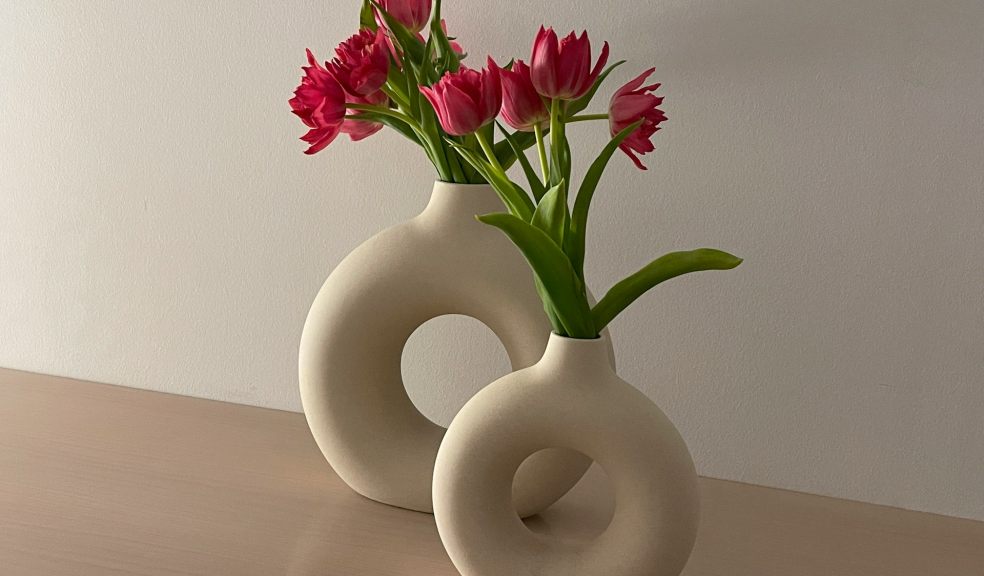
Your home offers plenty of scope for personal expression because almost every room contains items that can be changed without major building work. Start with the things you already own. New handles can refresh a plain chest of drawers, removable vinyl can add pattern to storage boxes, and a favourite fabric can give an old lampshade a new look.
A collection usually has more impact when it follows a clear theme. Group family photographs in matching frames, display ceramics in a shared colour palette or arrange travel souvenirs on one shelf instead of scattering them around the room. Guides to personalised home decor can help you identify colours and styles that suit your character before you buy anything.
Photographs are especially flexible. Print a large landscape from a memorable holiday, create a grid of small square images or turn a child’s drawing into wall art. These creative custom decor ideas show how familiar images can become practical decorative features.
Smaller handmade details work well in rented homes, where permanent alterations may be limited. You could design labels for pantry jars, decorate a notebook for the coffee table or make decals for plant pots. If you want to produce neat labels at home, this guide to making professional custom stickers provides a useful starting point.
Test new ideas in one contained area first. A hallway shelf, bedside table or reading corner lets you check how colours and materials work together before repeating the style elsewhere.
Fashion With a Personal Touch
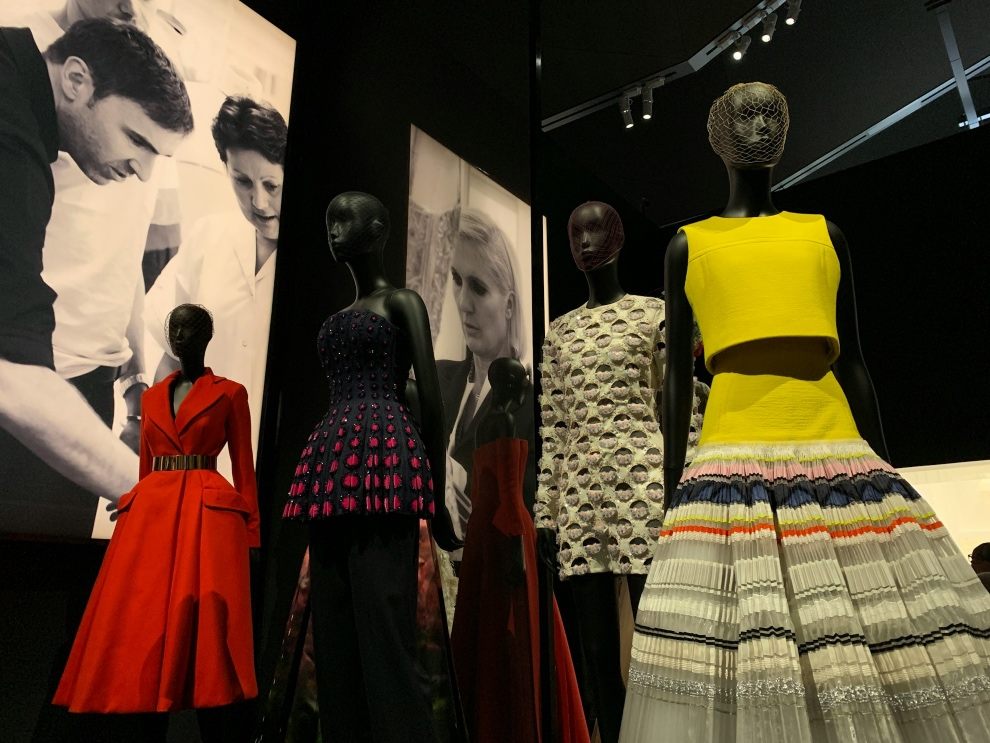
Clothing and accessories become more distinctive when personal details support the way you already dress. Embroidery is a simple place to begin. A small initial on a shirt cuff, tote bag or cap adds character without dominating the item. Visible mending can have a similar effect, turning a repair into a feature through contrasting thread or a patterned patch.
Tailoring is another form of personalisation that people often overlook. Adjusting sleeve length, trouser hems or waistlines can make an affordable garment look and feel better. A local alterations service may be able to update several pieces for less than the cost of replacing one good-quality coat or pair of trousers.
Accessories allow more experimentation. Try changing the strap on a watch, tying a printed scarf to a handbag or adding enamel pins to a denim jacket. Keep valuable or sentimental pieces unaltered unless you’re confident the change can be reversed. Temporary additions let you refresh an outfit for a season, then return it to its original form.
For a simple weekend project, personalise a canvas tote using fabric paint and a paper stencil. Wash and dry the bag first, place cardboard inside to prevent colour bleeding and apply thin layers. Check the paint manufacturer’s setting instructions before use. A restrained design, such as a postcode, botanical outline or single geometric shape, tends to remain wearable for longer than a complicated slogan.
Making Your Vehicle Unique
Personalise your vehicle with practical upgrades such as fitted floor mats, a boot organiser and a secure phone mount. Use one accent colour sparingly to keep the interior cohesive and uncluttered. Ensure accessories don’t obstruct visibility or controls.
For the exterior, consider subtle decals or professionally applied graphics that complement the vehicle’s finish. Check local regulations, insurance terms and maintenance requirements before making changes. Removable options can help preserve resale value.
Keep required lights, windows, mirrors and identifying marks unobstructed. Retain original parts, receipts and photos of modifications to simplify maintenance and future resale.
The Joy of Exclusive Pieces
An exclusive piece doesn’t need to be expensive or made by a famous designer. Its value can come from the idea behind it, the person who made it or the materials used. A mug painted at a pottery workshop may become a favourite because it carries the marks of your own hands. A table built by a local craftsperson can be designed for an awkward alcove and finished in a colour that works with the rest of the room.
Personal choices can make spaces feel more supportive and familiar. The thinking behind personalised design highlights how surroundings can respond to individual routines instead of following a showroom formula. For one person, that may mean a low shelf for a record collection. For another, it could be a kitchen noticeboard sized for school timetables and shopping lists.
If you’re commissioning an item, prepare a short brief. Include measurements, reference images, preferred materials and the maximum amount you want to spend. Ask for a sketch or digital proof before production begins, and confirm how names, dates and unusual spellings will appear. Custom orders are often difficult to return, so this checking stage matters.
You can also adapt existing pieces using easy decorating ideas, such as repainting furniture or reframing artwork. Choose objects that already work well and give them one carefully considered change. The most satisfying result may be as modest as a drawer lined with a favourite print, waiting to brighten an ordinary morning.