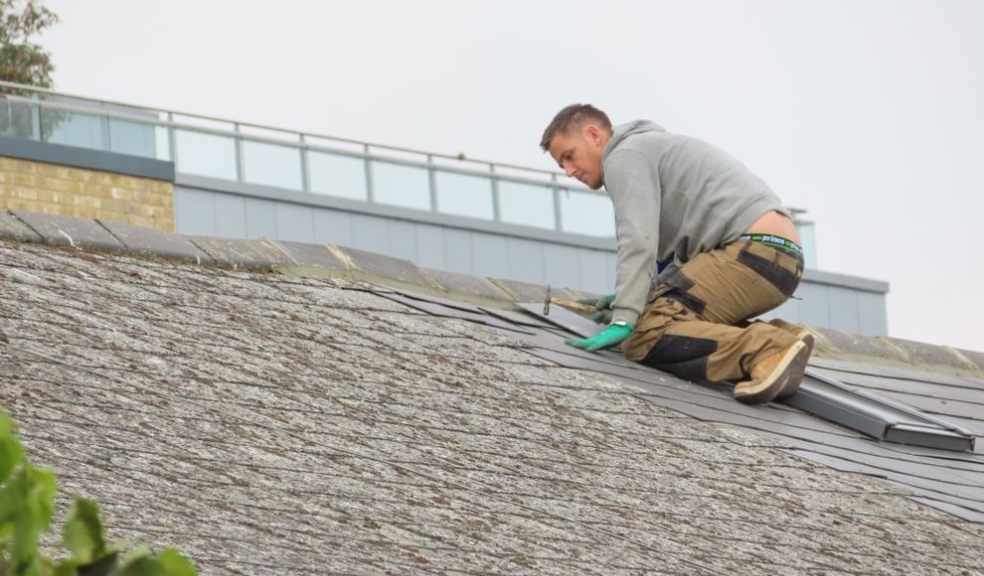
What Everyone Should Know About Staying Safe When Working On Rooftops
Working on a rooftop might be part of your everyday job, but that doesn't mean it's something you can afford to take lightly. No matter if you're carrying out maintenance, inspecting equipment, or installing new systems, working at height comes with risks that aren't always immediately obvious. Even a familiar rooftop can present unexpected hazards, which is why it's crucial to understand how to protect not only yourself but also those around you.
The good news is that many rooftop accidents can be prevented with the right planning, equipment, and safety procedures. Here's what everyone should know before heading up onto a roof.
Know The Risks Before Starting Work
No two rooftops are exactly the same, and it's important to recognise the potential dangers before starting any work. Unprotected edges, fragile surfaces, slippery areas and unexpected obstacles can all increase the likelihood of an accident.
Before accessing a rooftop, a suitable risk assessment should identify these hazards and establish how they'll be controlled. You should also think about the weather, the condition of the roof, and whether there are any restricted areas. Knowing what to expect makes it much easier to work safely and confidently.
Make Sure Safe Access Is Available
Getting onto a roof safely is only part of the challenge. You also need to think about how you'll move around once you're up there. Rooftops often contain pipes, cables, ducting, and other equipment that can create serious trip hazards. Rather than stepping over these obstacles or attempting to navigate around them, it's important to have appropriate access solutions in place.
For example, purpose-designed rooftop step-over platforms, such as those available from keesafety.co.uk, can give you a safer way to cross obstacles while helping protect equipment from accidental damage.
Never Overlook Fall Protection
Falls from height are one of the biggest risks associated with rooftop work, so having suitable protective measures in place is vital. Where possible, collective protection systems, such as guardrails, should be used to prevent falls without relying on individual workers taking action. Depending on the circumstances, other measures, including properly designed fall restraint or fall arrest systems, may also be needed.
Don't forget that wearing a harness doesn't automatically make rooftop work safe. Any fall protection equipment must be right for the task, correctly fitted and used by someone with the necessary training.
Pay Attention To Weather Conditions
British weather can be unpredictable, and conditions that seem manageable at ground level can become dangerous on a rooftop. Rain can make surfaces slippery, while strong winds can affect your balance and make handling tools or materials difficult. Ice, poor visibility, and extreme temperatures can also create additional risks.
Always check the forecast before starting work and continue monitoring conditions throughout the day. If the weather makes the task unsafe, postponing it is far better than taking unnecessary risks.
Make Training And Communication A Priority
Even experienced workers benefit from regular safety training. Everyone accessing a rooftop should understand the hazards, know how to use the necessary equipment, and be familiar with emergency procedures.
Good communication is equally important, particularly when several people or contractors are working in the same area. Make sure everyone understands their responsibilities and knows what to do if something goes wrong.