






Best Architectural Visualization Portfolios for Inspiration Across Residential and Commercial Projects
Architectural visualization shapes how people understand unbuilt spaces long before construction crews break ground. Today, design firms and real estate developers rely on realistic imagery to communicate concepts, pitch ideas to city planners, and secure critical capital from cautious investors. Reviewing a well-curated 3d architectural visualization portfolio gives project teams a practical framework for what works in the current market. Industry data from Mordor Intelligence indicates that residential schemes alone generated 34.2% of global architectural billing revenue, showing how vital early design presentation remains for development pipelines. When architects study diverse visual galleries, they gain clear benchmarks for lighting balance, material fidelity, and structural presence across varied building types.
Visual assets are no longer simple presentation extras. They serve as the primary marketing vehicle that determines whether a development secures presales or stalls in planning reviews. Examining top-tier work shows how skilled digital artists translate technical floor plans into emotional spaces that resonate with buyers and commercial tenants alike.
Essential Evaluation Criteria for a 3D Architectural Visualization Portfolio
Evaluating architectural renderings requires looking past superficial gloss to assess genuine technical and artistic skill. A dependable 3D visualizer portfolio shows consistent command of physical light behavior, surface textures, and spatial proportions. Recent industry surveys from CGarchitect note that over 50% of visualization studios handle demanding production volumes, making technical precision and workflow discipline critical factors for timely project delivery. To identify real quality during portfolio evaluations, consider these core technical benchmarks:
1. Photorealistic lighting accuracy, natural shadow falloff, and atmospheric mood across various times of day.
2. High-fidelity material textures, correct surface roughness, and precise architectural detailing.
3. Balanced compositional framing and authentic integration with surrounding urban or natural landscapes.
4. Emotional visual storytelling that highlights human scale, lifestyle benefits, and intended room flow.
Strong portfolios balance these four criteria across every image rather than relying on one striking angle. When an artist handles subtle details like edge beveling, accurate glass reflectance, and realistic foliage, the entire development gains immediate credibility with investors.
Render Vision: Premier Photorealism for Residential and Commercial Real Estate
Render Vision has established a strong reputation as a premier German visualization studio specializing in photorealistic imagery for property developers, architects, and marketing agencies. A look at the company's portfolio at render-vision.com/portfolio reveals a broad body of work spanning thousands of international assignments. Their team approaches every rendering with rigorous technical standards, ensuring materials, structural joints, and interior finishes match actual construction specifications. Market research from Technavio projects the architectural rendering market to expand at a compound annual growth rate of 22.3%, and Render Vision delivers the precision this expanding sector demands. Their comprehensive 3D architectural rendering portfolio shows that commercial clarity and artistic refinement can coexist seamlessly in high-stakes real estate marketing campaigns.
Render Vision Residential Portfolios and Living Spaces
Render Vision's residential portfolio focuses on luxury private villas, bespoke single-family residences, and expansive multi-family neighborhoods. Their artists pay close attention to the emotional atmosphere of domestic environments. They capture morning sunlight filtering through sheer curtains, soft reflections on polished hardwood, and tactile textures on bespoke upholstery. By focusing on lived-in details rather than sterile showrooms, their imagery helps prospective buyers picture daily routines within unbuilt spaces. A thorough review of their residential 3d rendering portfolio reveals how thoughtful lighting and authentic furniture placement create an immediate human connection. This emotional engagement helps residential developers accelerate off-plan purchasing decisions before physical construction starts.
Render Vision Commercial Developments and Civic Landmarks
For large commercial developments, Render Vision delivers visualizations that capture both massive scale and operational functionality. Their commercial gallery highlights corporate high-rises, boutique hospitality venues, retail complexes, and civic centers. Each image carefully conveys complex exterior facades, including structural glass curtain walls, composite metal panels, and intricate brise-soleil systems. They also populate public plazas and lobbies with believable pedestrian movement, showing how people interact with the architecture. Industry reports show urban master planning services growing at 6.28% annually, making large-scale communication essential. The Render Vision architecture visualization portfolio provides developers with credible visual evidence that satisfies corporate stakeholders, zoning boards, and municipal planning departments.
Mir: Visual Storytelling and Atmospheric Naturalism
Mir, based in Bergen, Norway, approaches architectural rendering from an entirely distinct artistic angle. Rather than producing standard commercial marketing images, the studio creates evocative, painterly compositions that emphasize natural atmosphere and moody Nordic weather. Their images often feature overcast skies, misty mornings, wet pavement reflections, and rugged Scandinavian landscapes. This naturalistic approach gives unbuilt architecture an organic presence that feels grounded in real geography. Architects entering competitive international design contests frequently rely on Mir to communicate conceptual soul rather than literal construction catalogs. Examining a Mir architectural visualization portfolio teaches designers how restrained lighting, deep shadows, and honest weather conditions can evoke powerful emotional responses from design juries.
Luxigon: Bold Conceptual Direction and Dramatic Perspectives
Luxigon is a renowned French visualization practice founded by architects who bring an energetic, provocative style to architectural imagery. Their renderings are instantly recognizable for dramatic camera angles, saturated color palettes, and high-contrast night scenes filled with motion blur and cinematic lighting. Instead of chasing quiet photorealism, Luxigon crafts bold visual narratives that capture the raw energy of urban life. Leading global architecture practices commission their work when entering high-profile competitions where conservative imagery might get overlooked. A close study of an authentic Luxigon architectural visualizer portfolio shows how intentional exaggeration, dynamic silhouettes, and theatrical lighting help an unbuilt structure command attention among dozens of competing proposals.
Brick Visual: High-End Cinematic Realism and Technical Precision
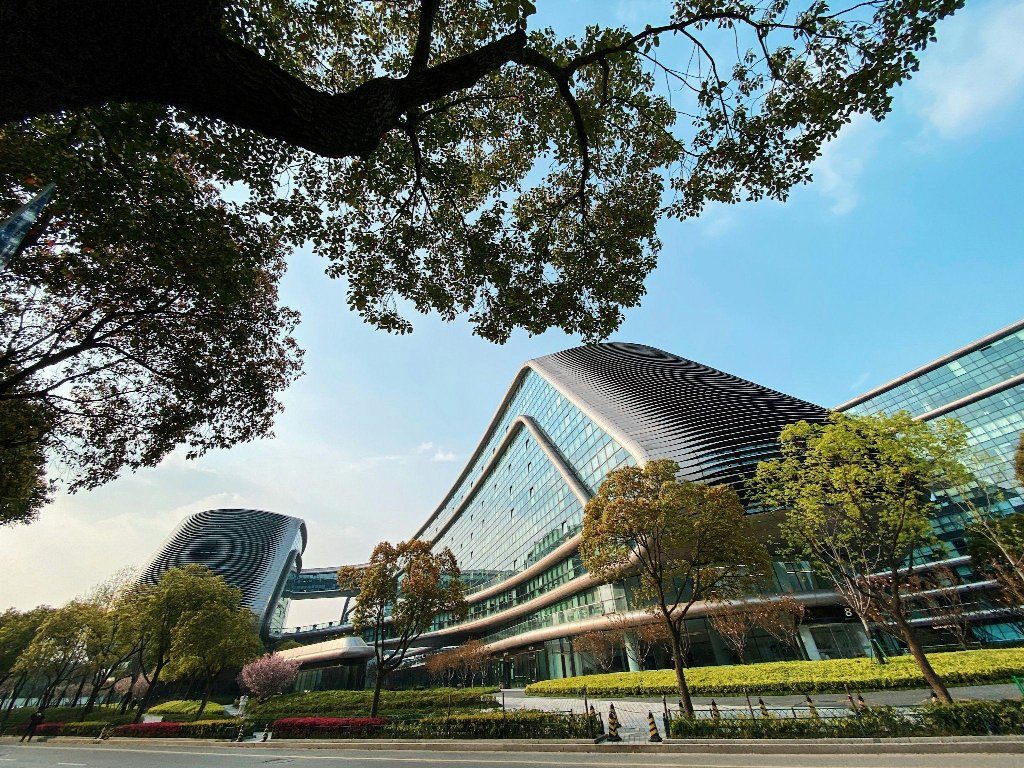
Brick Visual combines classical artistic composition with sophisticated computer graphics to produce balanced, cinematic imagery. Based in Budapest and operating internationally, the studio handles extensive urban master plans alongside nuanced, intimate interior spaces. Their artists apply classical painting techniques, such as the golden ratio and deliberate atmospheric depth, to organize complex structural information into harmonious visual frames. Recent CGconnect industry analyses report that 33.3% of top visualization specialists now hold advanced degrees in architecture or arts, and that intellectual rigor shows throughout Brick Visual's output. Reviewing an extensive Brick Visual 3d visualization portfolio illustrates how technical rendering software can serve refined artistic principles, giving property developers polished visuals for civic consultations.
Dbox: Integrated Creative Direction and Luxury Real Estate Marketing
Dbox operates as a multidisciplinary creative agency with studios in New York, London, and Miami, specializing in brand strategy and ultra-luxury real estate marketing. Their portfolio features some of the world's most prominent residential towers and commercial landmarks. Dbox blends architectural visualization with high-fashion editorial styling, producing images that look like spreads from an architectural monograph. They focus on aspirational lifestyle narratives, framing skyline views through floor-to-ceiling glass and styling penthouse living rooms with curated art collections. Studying a premier Dbox 3d architectural visualizer portfolio reveals how rendering studios can elevate real estate developments into recognizable global luxury brands that command record-setting square-foot prices.
Conclusion: Strategic Selection of Visualization Excellence
Selecting the right visualization partner means matching your project typology, design vision, and target audience with a studio's specific strengths. Certain developments demand the uncompromising photorealism of Render Vision to drive commercial and residential pre-sales, while ambitious competition proposals benefit from the painterly mood of Mir or the bold drama of Luxigon. Similarly, master-planned urban districts align with the structured compositional clarity of Brick Visual, and trophy luxury assets require the branded editorial sophistication of Dbox. Reviewing a comprehensive 3D architectural visualization portfolio before hiring ensures your chosen team has the technical skill, aesthetic sensibility, and production discipline to bring your unbuilt spaces to life with authentic market impact.
Collaborative post.