





Where your heating bill actually goes this winter
The price cap moved on 1 October. A household on a default tariff paying by direct debit is now looking at £1,723 a year at typical use, £60 more than the last quarter and the highest level for three years, after Ofgem confirmed the change at the end of August. Higher wholesale gas did most of the damage. Gas bills rose around 8% while electricity bills dipped slightly, because VAT came off domestic electricity. If the heating is on and one room still feels cold, that isa different question, and usually a question about the building.
The typical household has already cut its gas
Around 22 million households are on the default tariffs the cap covers. Roughly a third of households are on fixed deals, which did not move in October.
In July, Ofgem trimmed the consumption figures it uses to build the cap, after finding that households use around 7% less electricity and 17% less gas than they did at the previous review. The typical household in that calculation has already cut its gas. If yours has not, the £60 rise understates what the colder months will feel like.
Where the cheap savings are
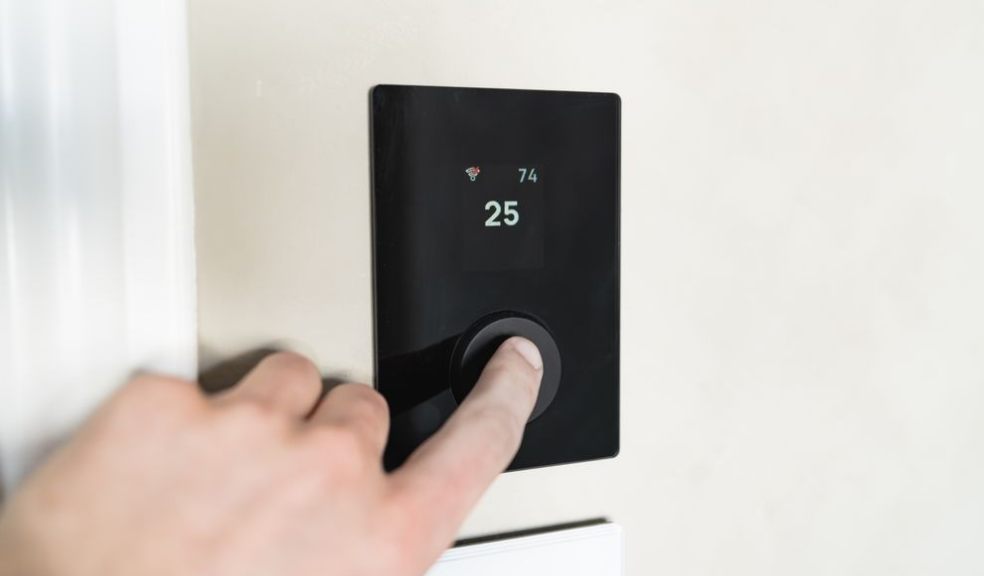
The cheap jobs are therefore worth more than usual. Draught proofing windows, doors and floors is put at around £55 a year in Great Britain by the Energy Saving Trust, and a chimney left open when the fire is not lit adds another £45. A professional job across a whole house is quoted at around £250, which takes a few winters to earn back. Foam strips and brush seals cost a fraction of that, take an afternoon, and pay for themselves before the first frost. The strips are the cheap version, though the gaps worth sealing are the ones you can feel with a hand held to the frame. Letterboxes, keyholes and cat flaps get missed, and so does the gap under a door that no longer closes flat. All of them are cheap to fix, and all of them whistle on a windy day. Dropping the thermostat from 22C to 21C is worth about £120 a year on top, which is twice what the cap rise costs.
Leave the vents alone
One caution before every gap gets sealed. Rooms with a gas boiler, a gas fire or a wood burner need their ventilation left open, and a chimney should never be blocked completely, because both are there to carry away fumes. A house sealed too tightly trades a fuel bill for a worse problem.
Book the boiler service early
A service does not make a boiler cheaper to run than the efficiency it was rated at, but an unserviced one drifts below it, and the appointment also covers the safety check that matters more than any figure in this article. Most quotes fall between £80 and £120, with the going rate in most of the country around £80, and the cost of boiler servicing is worth confirming before an engineer is in the hallway. Book it while the weather is still mild. By November the same appointment carries a wait.
What can be funded instead
The Warm Homes Plan is set to put close to £15 billion into home upgrades, with fully funded support for low income households and low or zero interest loans for everyone else. The Warm Homes Discount takes £150 off bills for around six million households this winter. Both are worth checking before insulation gets paid for out of pocket.
What to do this weekend
Walk the house on a windy day and seal whatever moves. Drop the thermostat a degree and live with it for a week. Get the boiler serviced before the queue forms. Insulation and grants can wait a few weeks, since they take longer to arrange and cost more to put right if the wrong thing gets installed.
Prices may move again in January. Analysts at Cornwall Insight expect a further 9% rise in the new year, so an hour spent sealing a back door this month gets paid twice.
Collaborative post.