




Why Modern Homes Are Embracing Period Features
Period details are finding a natural place in modern homes, bringing warmth and character to interiors that can otherwise feel a little plain. Cornices, panelled walls, traditional heating and aged timber all introduce a sense of history, even in recently built properties.
The most successful schemes use these features selectively, pairing practical contemporary layouts with materials and forms that have lasted for generations.
The Allure of Heritage Architecture
Heritage architecture feels inviting because it gives the eye plenty to explore. Ceiling roses, deep skirting boards, sash-style windows and decorative plasterwork create layers of detail that standard finishes often lack. These elements also cast subtle shadows, helping a room feel more established and visually balanced.
The growing interest in modern heritage style shows how easily classic details can sit within present-day interiors. You don’t need to replicate a particular historical period. Start with the building’s proportions, then choose one or two features that make sense for the space. A tall ceiling may suit ornate coving, while a compact room could benefit from simple wall panelling.
How to Balance Vintage with Clean Lines
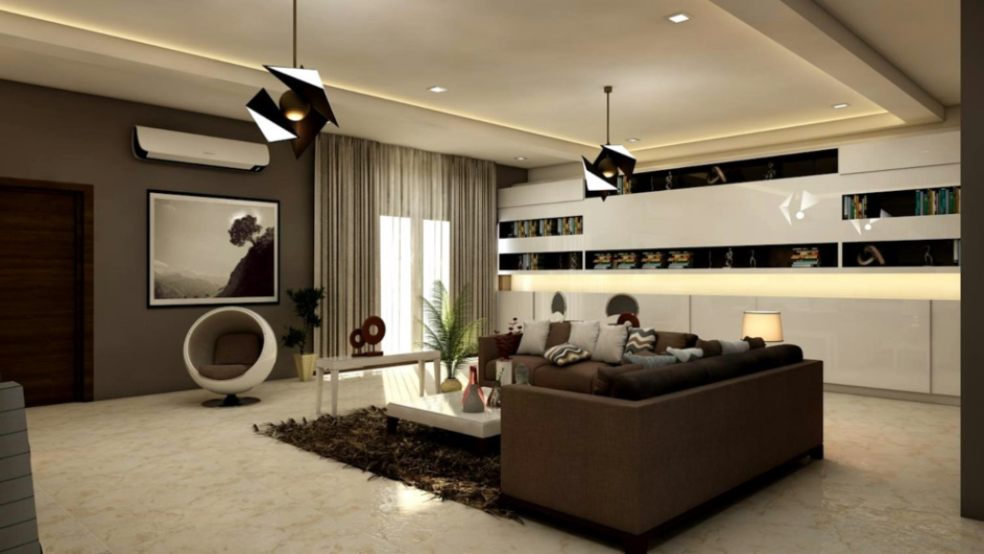
Give traditional pieces room to stand out. A carved sideboard can become the focus of a simple dining room, while an old timber table gains impact beside slim contemporary chairs. Keeping the surrounding colour palette restrained prevents the space from looking crowded or theatrical.
Functional fittings offer another route. Homeowners and interior designers can choose hand-built cast iron radiators in traditional, ornate or modern styles, with custom finishes helping them sit comfortably within the wider scheme. When upgrading older rooms, comfort also includes controlling outside noise. This guide to acoustic glazing in heritage homes explains how quieter windows can preserve architectural character while improving everyday living.
Invest in Authentic Craftsmanship
Look closely at construction before buying a period-inspired feature. Solid joinery, neatly aligned mouldings and durable finishes usually age more gracefully than lightweight imitations. A well-made oak cabinet may develop small marks and a richer patina over time, while a thin surface coating can chip and expose the material beneath.
Ask how an item was assembled, what maintenance it needs and if individual parts can be repaired. For permanent additions such as fitted cupboards or plaster cornices, request material samples and examples of previous work. Accurate measurements matter too. A traditional fireplace surround that is several centimetres too wide can overwhelm a narrow wall, so mark out its dimensions with low-tack tape before ordering.
Layer Rich Textures Across Every Room
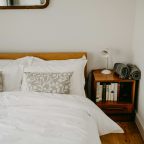
Texture helps old and new elements feel connected. In a living room, combine a smooth painted wall with linen curtains, a wool rug and one piece of dark wood furniture. Kitchens can mix flat-front cabinetry with handmade tiles or brushed metal handles, while bedrooms suit cotton bedding, timber frames and softly patterned wallpaper.
Keep the number of competing finishes under control. Three main materials are often enough for an average-sized room, with smaller accessories repeating their colours. Natural variations are useful here. Knots in wood, slight differences between tiles and the weave of fabric create depth without adding visual clutter. Test samples in morning and evening light, since rich paint shades and metal finishes can change noticeably as daylight fades.
Why Enduring Quality Beats Fads
Choose features that can cope with changing tastes. Paint colours and cushions are easy to update, but flooring, internal doors and fitted joinery require more time and money to replace. Classic proportions and repairable materials offer greater flexibility when the rest of the room evolves.
Advice on adapting a heritage home for modern living also highlights the value of retaining character while improving daily function. Before committing to a major feature, consider how it will look after several redecorations and how easily it can be maintained. A carefully chosen cornice, radiator or timber floor can remain in place through years of colour changes, giving the home a steady architectural thread that short-lived trends rarely provide.
The best period features look as though they belong to the building, even when they were fitted last month. Begin with the room’s scale, invest in the detail you’ll touch or see every day and allow enough open space for its craftsmanship to register.
Collaborative post.