






Small Engine Problems That Become Expensive: Why PCV System Maintenance Matters
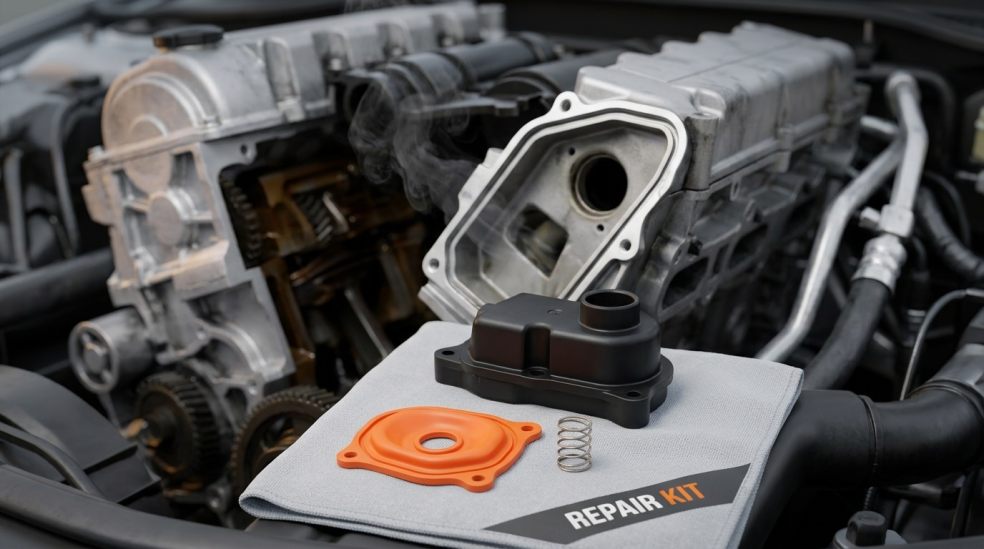
Most drivers notice when their car starts behaving differently. Uneven idling, hesitation, increased oil consumption, or unusual whistling and hissing sounds may point to a PCV fault, although other engine problems can cause similar symptoms. For serviceable systems, PCV valve and diaphragm repair kits can replace a failed component without changing the entire assembly. The first step is to identify the cause and note when the symptoms appear. This helps a technician make an accurate diagnosis and avoid unnecessary replacements.
What the PCV System Does Behind the Scenes
During combustion, some gases pass the piston rings and enter the crankcase. The PCV system directs these gases back into the intake, where they are burned. It also regulates crankcase pressure and controls oil vapour.
This balance matters. Excessive pressure can contribute to oil leaks, while incorrect airflow may affect engine performance. Faults can be difficult to identify because valves, diaphragms, hoses, and separators are often hidden inside larger assemblies.
Why Valves and Diaphragms Wear Over Time
PCV components operate under constant heat, oil vapour, and pressure changes. Seals deteriorate, materials harden, and deposits can restrict moving parts. Diaphragms may also tear or lose their ability to regulate airflow.
Wear depends on engine design, driving conditions, and maintenance. However, the valve is not always responsible. Damaged hoses, blocked passages, leaking seals, or faulty oil separators can cause similar symptoms. The entire system should be inspected before repairs begin.
How a Minor Ventilation Fault Can Affect Ownership Costs
A PCV problem may affect more than the component that first fails. Incorrect crankcase pressure can contribute to oil escaping through seals, while an intake leak can create symptoms that resemble other engine faults.
That does not mean every PCV issue leads to serious damage. The result depends on the failed component, the severity of the fault, and how long the vehicle continues to operate with it.
For example, a slight whistle combined with an uneven idle could come from a damaged diaphragm or leaking connection. Replacing an unrelated sensor without checking the ventilation system may leave the original problem untouched.
Early diagnosis can clarify:
-
whether the fault is limited to one component;
-
whether related parts have also been affected;
-
whether a repair or complete assembly replacement is justified;
-
which parts are actually needed.
Repairing a Component or Replacing an Assembly
The available repair options depend on the vehicle's PCV design. Some systems have replaceable valves, diaphragms, and seals. Others integrate these components into the valve cover or oil separator, making individual repairs impossible.
Where separate replacement is supported, PCV valve and diaphragm repair kits can provide a suitable solution if the damaged part is confirmed and the remaining assembly is in good condition. The kit must match the exact engine specification.
A complete assembly replacement may be necessary if the housing is cracked, several internal components have failed, or the manufacturer requires it.
Before approving the work, inspect:
-
Valve and diaphragm: Look for tears, deformation, sticking, or incorrect airflow regulation.
-
Hoses, seals, and passages: Check for cracks, blockages, loose connections, and leaks.
-
Oil separator and housing: Confirm that the structure is sound and that serviceable internal parts can be replaced.
Compatibility is equally important. Engine codes and design revisions can affect component dimensions and operation. Similar-looking parts are not always interchangeable.
What to Ask a Garage Before Agreeing to the Work
Clear answers help establish whether the proposed work addresses the actual fault. Before approving a repair, ask the technician:
-
Has the PCV fault been confirmed by testing?
-
Which component has failed?
-
Have the hoses, seals, and passages been inspected?
-
Can the system be repaired without replacing the entire assembly?
-
Are the replacement parts compatible with the exact engine?
-
What checks will follow installation?
Building Better Maintenance Habits
Pay attention to changes in engine behaviour, check oil at recommended intervals, and mention unusual noises or increased consumption during servicing. Persistent idle problems and warning lights also deserve attention.
PCV systems differ between vehicles, and some are integrated into larger engine components. Dismantling an unfamiliar system without the right tools or procedures can cause further problems. A qualified technician can identify the source when several faults produce similar symptoms.
The aim is to find the cause early and replace only what is necessary. Understanding the PCV system and asking questions about the proposed repair helps drivers avoid unnecessary expenses and make maintenance decisions based on an accurate diagnosis.
Collaborative post.