





Spring parking hazards: Protect your car paintwork from blossom, sap, and more
Car expert, webuyanycar, highlights five hidden spring parking risks to avoid this season
With spring underway, temperatures begin to climb, wildlife emerges from hibernation, and trees return to bloom. These seasonal changes signal the arrival of warmer months ahead, but they can also bring added considerations for where you park your car.
Richard Evans, the head of technical services at online car-buying service webuyanycar, warns motorists of the seasonal risks when thinking about where to park their car this spring.
-
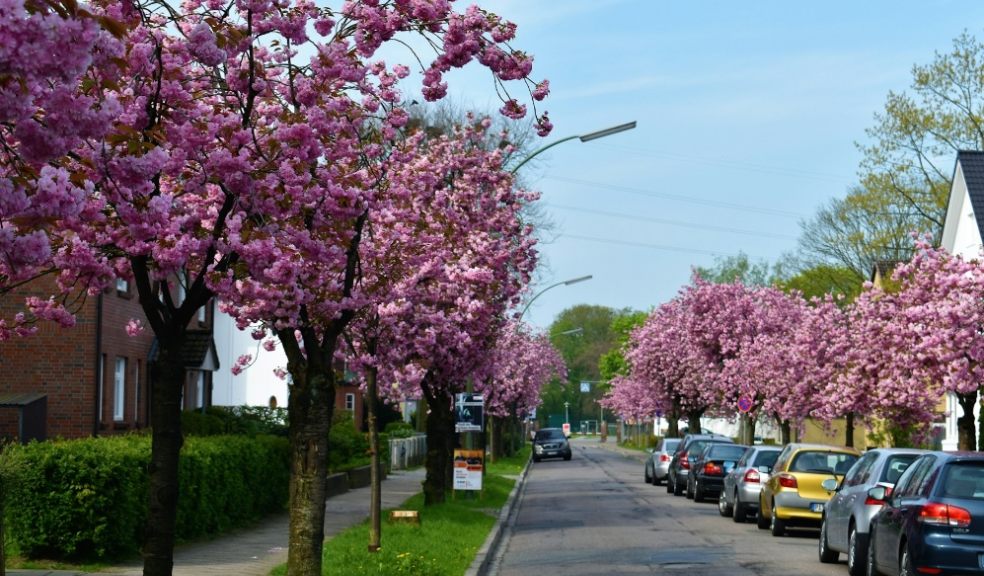
Cherry blossom: Beautiful blossoms are a threat to parked cars. When it rains, the petals break down and release mild acids, which can be corrosive. This, combined with sunlight, can cause the petals' pigments to stain your car paintwork if not properly removed and cleaned.
-
Tree sap: Tree sap on your vehicle can break down the protective wax and clear coat above the paintwork, potentially leaving permanent blemishes. For example, one Reddituser reported ‘stains’ from tree sap. To minimise damage, remove sap quickly using water and a cloth, followed by car shampoo and a polishing pad for any stubborn marks.
-
Bird droppings: As nesting season starts, drivers may notice more bird droppings on their cars, especially when parked under trees. Bird droppings are highly acidic and can quickly stain or damage paintwork, particularly in warm weather. To prevent lasting marks, remove them as soon as possible using car-safe cleaning products or a cloth and water – but be careful not to scrub as debris in the droppings can scratch the car.
-
Sun exposure: Increased sun exposure can take a toll on your car. Prolonged UV rays can gradually fade paintwork, dull the finish or dry out rubber trims. Consider parking in shaded or covered areas where possible, and regularly wash and wax your car to maintain a protective layer against sun damage.
-
Pollen: As plants begin to bloom in spring, pollen levels rise and can quickly settle on parked cars. While it may seem harmless, pollen can stick to paintwork and, when mixed with moisture, create a film that may dull the finish over time. Regularly washing your car and avoiding parking directly under pollinating trees can help prevent build-up.
How much does paint work damage affect resale value?
“Paintwork is a very important factor when buying and selling vehicles; even minor damage to a car’s paintwork can significantly affect its resale value. Scratches, chips or blemishes not only reduce the appeal but can also signal to buyers that the car hasn’t been well maintained.
“As a rough guide, a few scratches on a £4,000 car might reduce its value by roughly 5–10%. (A typical loss would be £300.) If the vehicle has more noticeable cosmetic damage, losses may be closer to 15–25%.
“It's important to note that the proportion of value lost will vary depending on the value of the car. Higher-value vehicles often see a smaller percentage reduction, while lower-value cars can lose a larger share of their value for the same visible damage.”