



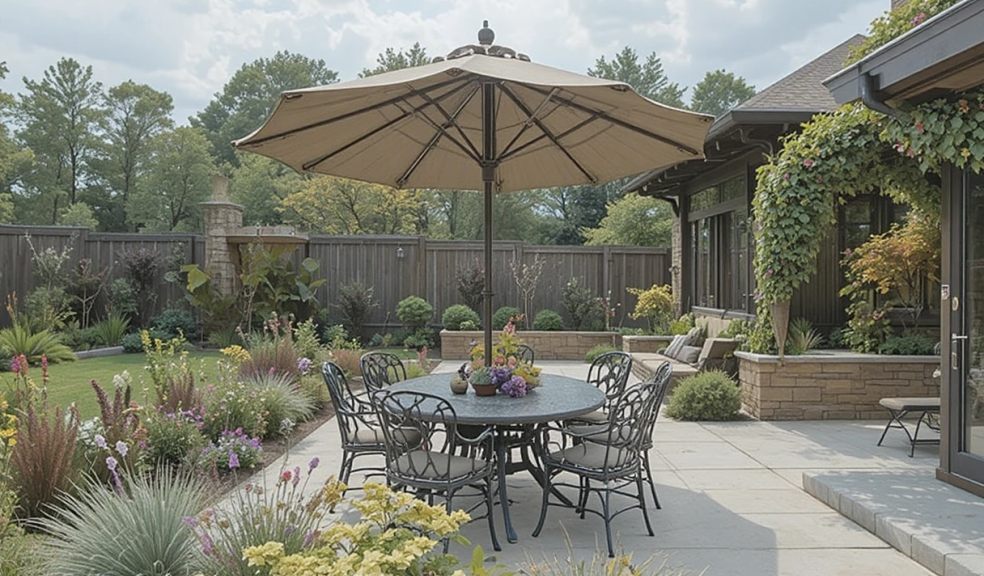
Designing Outdoor Spaces That Evolve With Your Lifestyle
Outdoor spaces are no longer static parts of a home. They’ve become dynamic environments that shift alongside changing routines, preferences, and needs. What works for a quiet weekend today may need to accommodate gatherings, work-from-home breaks, or family activities tomorrow. This evolution has led homeowners to rethink how outdoor areas are designed from the ground up.
Rather than focusing on short-term aesthetics, modern design emphasizes adaptability, comfort, and long-term usability. When outdoor spaces are planned with flexibility in mind, they continue to deliver value long after the initial project is complete.
Why Outdoor Design Needs to Be Future-Focused
A common challenge in home improvement is designing for the present without considering how needs may change. Outdoor spaces are especially susceptible to this issue because they often serve multiple purposes. A space that feels perfect today can quickly become limiting if it lacks flexibility.
Insights from smart home improvement strategies for busy homeowners highlight the importance of planning for growth. The same principle applies outdoors—spaces should be able to evolve without requiring major reconstruction.
By anticipating future uses, homeowners can create environments that remain functional and relevant over time.
Designing With Multiple Uses in Mind
Flexibility begins with understanding that outdoor spaces rarely serve a single purpose. A patio might function as a dining area, a relaxation zone, and an entertainment space all at once. Designing with these possibilities in mind ensures that the layout supports different activities without feeling cramped or disorganized.
This approach creates a more resilient design that adapts naturally to changing needs.
Incorporating Covered Structures for Versatility
Covered structures play a crucial role in making outdoor spaces adaptable. They protect from the elements while creating defined areas that can be used in multiple ways. Whether it’s for seating, storage, or vehicle protection, these features introduce flexibility that open spaces often lack.
Homeowners looking for reliable and adaptable solutions often consider options from patio cover specialists like Royal Covers, where durability and design integration are key priorities. These structures can be tailored to complement different layouts, making them a practical addition to evolving outdoor spaces.
By incorporating covered areas early in the design process, homeowners can create spaces that remain usable in a variety of conditions and scenarios.
Creating Spaces That Work Year-Round
One of the main advantages of covered structures is their ability to extend usability beyond seasonal limitations. By providing shade and protection, they allow outdoor areas to function comfortably throughout the year.
This consistency makes the space more reliable and encourages more frequent use.
Drawing Inspiration From Modern Outdoor Decor
While functionality is essential, aesthetics still play an important role in creating inviting outdoor spaces. Exploring ideas from modern outdoor décor inspirations can help homeowners discover ways to enhance visual appeal without sacrificing practicality.
These ideas often emphasize layering textures, incorporating natural elements, and maintaining a cohesive color palette. When applied thoughtfully, they add depth and character to the space.
The key is to ensure that decorative elements complement the overall design rather than overwhelm it.
Balancing Structure With Open Space
One of the challenges in outdoor design is finding the right balance between built structures and open areas. Too many features can make the space feel crowded, while too few can leave it underutilized. Achieving balance requires careful planning and a clear understanding of how the space will be used.
Covered areas, seating zones, and pathways should be arranged in a way that maintains openness while providing structure. This balance creates a comfortable environment that feels both functional and visually appealing.
When done correctly, the space feels intentional without appearing overly designed.
Maintaining Flow and Accessibility
Flow is a critical aspect of any outdoor layout. Clear pathways and logical placement of features ensure that movement through the space feels natural. This is especially important for areas used for entertaining or daily activities.
Good flow enhances usability and contributes to a more enjoyable experience overall.
Choosing Materials That Support Longevity
Durability is a key consideration in outdoor design. Materials must withstand weather conditions, temperature changes, and regular use. Choosing high-quality materials helps preserve the integrity of the space while reducing maintenance requirements.
Options such as treated metal, composite materials, and weather-resistant finishes offer both strength and aesthetic appeal. These materials are designed to perform well in outdoor environments, making them a reliable choice for long-term use.
Investing in durable materials ensures that the space remains functional and attractive over time.
Connecting Indoor and Outdoor Living
A seamless connection between indoor and outdoor spaces enhances the overall experience of a home. When these areas are visually and functionally aligned, they feel like parts of a single, cohesive environment.
Design elements such as consistent color schemes, complementary materials, and aligned layouts help create this connection. These details make transitions between spaces feel effortless.
This integration not only improves aesthetics but also encourages more frequent use of outdoor areas.
Planning for Adaptability and Change
Outdoor spaces should be designed with change in mind. As lifestyles evolve, so do the ways these areas are used. Flexible designs allow homeowners to adapt without the need for major renovations.
Modular furniture, multi-purpose zones, and adaptable structures all contribute to a more versatile environment. Covered areas, in particular, can serve different functions over time, making them a valuable addition.
This adaptability ensures that the space continues to meet changing needs while maintaining its overall appeal.
Maximizing Long-Term Value
Designing for adaptability not only improves usability but also enhances long-term value. Features that can evolve with the homeowner’s needs provide greater return on investment.
This forward-thinking approach ensures that the space remains relevant and functional for years to come.
Conclusion
Outdoor spaces have become essential components of modern homes, offering opportunities for relaxation, entertainment, and everyday living. By focusing on adaptability, durability, and thoughtful design, homeowners can create environments that grow alongside their lifestyles.
The most successful outdoor designs are those that balance structure and flexibility, allowing the space to evolve without losing its identity. With careful planning and intentional choices, outdoor areas can become lasting, valuable extensions of the home.