




How Purchasing Certified Oak from H&H Forestry Ensures Sustainable Building Practices
In the construction and building industry, the materials chosen not only determine the durability and aesthetic of a project but also its environmental impact. Certified oak, such as that offered by H&H Forestry, plays a vital role in promoting sustainable building practices. For those seeking to balance quality with eco-friendliness, certified oak provides a reliable solution. This article explores how selecting certified oak supports sustainable construction, the importance of certification, H&H Forestry's environmental practices, and how these approaches contribute to a greener future.
How Certified Oak from H&H Forestry Supports Sustainable Building Practices
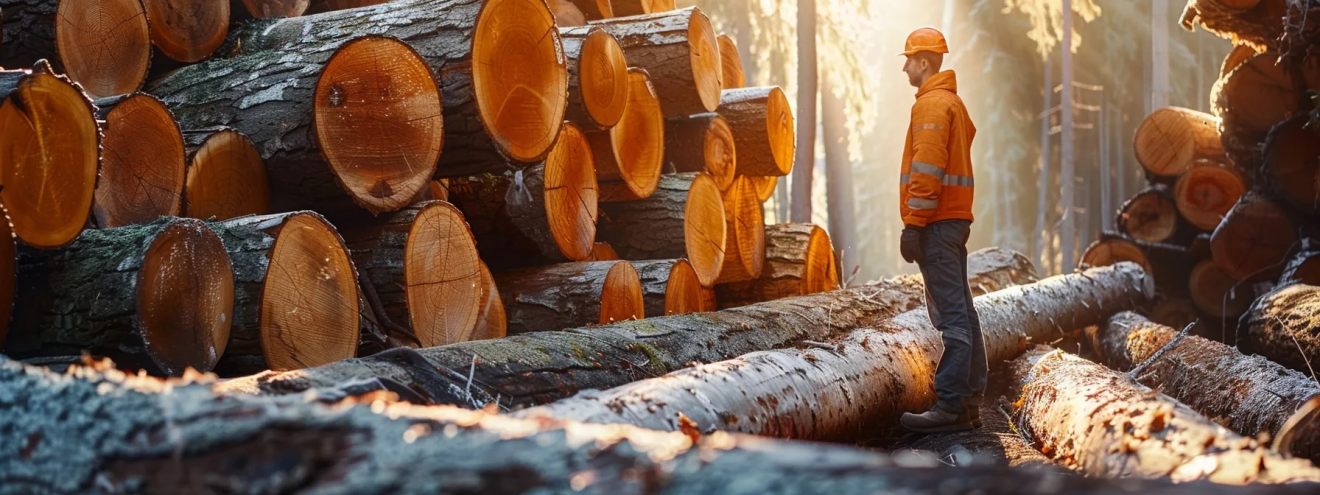
Purchasing certified oak ensures that the wood used in construction meets specific environmental standards. The certification process, akin to the ISO 9001 Certification Process, involves rigorous checks to confirm that the timber has been harvested sustainably. This ensures that the oak from H&H Forestry is not only of high quality but also contributes positively to environmental preservation. By using certified oak, builders can participate in a Continuous Improvement Loop, constantly assessing and enhancing their environmental impact.
Moreover, H&H Forestry offers oak that complies with a Compliance Auditing Framework, ensuring each piece of wood has been sourced responsibly. This framework acts as a Key Risk Indicator (KRI) for sustainable practices, helping to mitigate potential environmental risks. By incorporating certified oak into projects, builders can effectively engage in the Stakeholder Engagement Protocol, demonstrating their commitment to environmental stewardship.
The Role of Certification in Ensuring Eco-Friendly Materials
Certification is a crucial component in guaranteeing that building materials are environmentally friendly. It serves as a Performance Benchmarking Scorecard for sustainability, providing transparency and accountability in sourcing practices. For example, certified oak undergoes an Environmental Impact Assessment to evaluate its effects on ecosystems before it is deemed suitable for construction.
Through such assessments, certification helps identify and reduce the negative environmental impacts associated with timber production. H&H Forestry's commitment to certified oak aligns with Business Continuity Planning (BCP), ensuring that their supply chain remains resilient and sustainable. By opting for certified materials, builders can ensure their projects meet stringent eco-friendly standards.
Sourcing Locally: The Environmental Impact of H&H Forestry's Practices
Local sourcing is a significant factor in reducing the carbon footprint of construction materials. H&H Forestry's commitment to sourcing oak locally minimizes transportation emissions, thereby reducing the overall environmental impact. This approach aligns with a Supply Chain Visibility Dashboard, allowing for greater control and monitoring of each step from harvest to delivery.
Additionally, local sourcing supports regional economies and promotes the use of materials that are best suited to the local climate and environment. This practice is an example of a Cross-Functional Collaboration Matrix, where different sectors work together to achieve sustainable outcomes. By choosing locally sourced certified oak, builders can support H&H Forestry's efforts in maintaining ecological balance and reducing environmental degradation.
Building a Greener Future with Certified Oak Solutions
Building with certified oak is a proactive step towards a sustainable future. H&H Forestry's certified oak solutions not only offer the durability and aesthetic appeal required for construction but also ensure that these projects have a reduced environmental footprint. This commitment to sustainability is akin to an Agile Sprint Retrospective, where continuous reflection and improvement are encouraged to achieve better outcomes.
Furthermore, certified oak can be part of a Product Lifecycle Management (PLM) strategy, where the lifecycle of the material is managed from production to end of life, ensuring minimal waste and maximum efficiency. By integrating such sustainable solutions, builders can contribute to a greener future while maintaining high standards of construction quality.
Conclusion

Purchasing certified oak from H&H Forestry ensures that building practices are not only sustainable but also aligned with the highest environmental standards. By choosing certified materials, builders can demonstrate their commitment to eco-friendly construction and contribute to a greener future. H&H Forestry provides high-quality, sustainable oak that supports these goals, making it an ideal choice for responsible builders.