






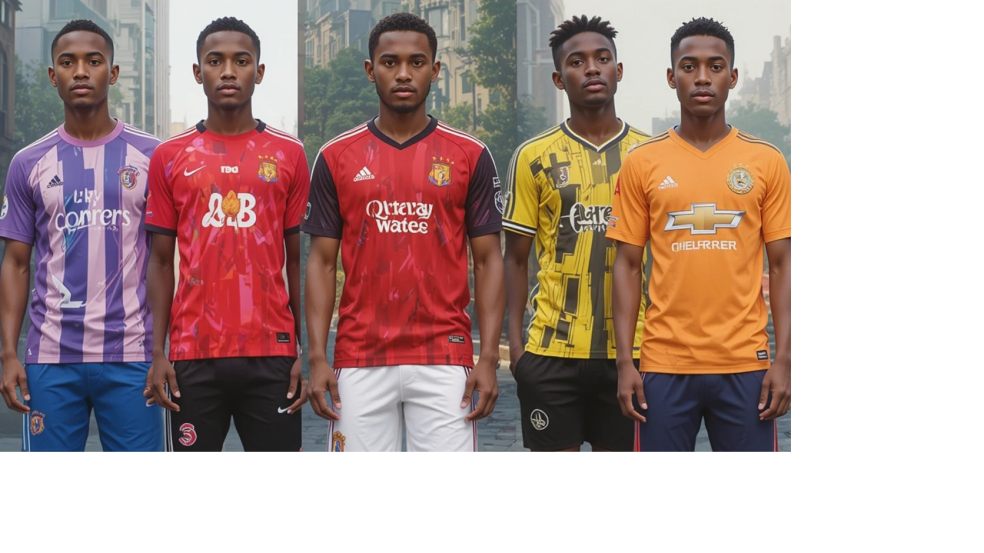
How Football Kits Influence Modern Streetwear and Fashion Trends
The football shirt has become part of popular fashion because its combination of striking colours, familiar graphic conventions, and cultural currency suits the needs of the brands and individuals who market or wear them. Once perhaps a niche player on the fringes of the fashion world, the shirt has travelled on runways, into streetwear wardrobes and social streams and onto supporters, non-football fans and fashionistas. The shirt has moved from team apparel to a high-fashion collector.
This crossover was not something done by chance. Football combines music, youth culture and an international perspective, meaning its kit might appeal to more than other types of sportswear. When a team kit is worn by a musician or featured in a fashion advert, it encapsulates for fans something of identity and authority that a plain designer product cannot, and something the fashion world has realised that they use.
Why Fashion Brands Started Borrowing From Football
It all boils down to ingrained signification. A football shirt already suggests identity, tribe and history to its wearer long before they have even put it on, and designer brands look for that shortcut to authenticity. Instead of creating a mythology, a label can borrow on one that already lives inside the heads of millions. That is why high fashion houses and streetwear labels have launched football-related garments, jersey cuts, and partnerships with clubs and kit firms. The statistics of football are compelling, too. Football is played and watched by billions on every continent, and so its visual vocabulary must be one of the most universally recognised design conventions on this planet.
A sponsor logo, a club badge, a shirt collar shape to read instantly to a vast international audience. For a brand looking to be world-beating, borrowing from football is an expedient way of achieving recognition in difficult markets. There is a further practical design reason.
Kits already veer, thanks to their reliance on bold colour blocking, simple badging and graphic confidence, toward being wearable off the pitch. How many V-necks, contrast sleeves and chest sponsor blocks can you imagine on a pair of jeans? Designers can lift those codes (the V-neck collar, the contrast sleeve, the chest sponsor block) and apply them to items that have absolutely nothing to do with sport, and the football reference.
How Football Design Codes Show Up in Streetwear
Most obviously, we see the jersey shape. Large cool short-sleeved, football-shirt-shaped tops are a highly desirable item and are worn over cars, denim and flannel shirts. The relaxed fit naturally complements the renewed trend for oversized garments, and this is why the football shirt template has entered fashion rather than falling into the graveyard of the 'dated'. And then there's the graphic language. All-over prints, graphic shapes and aggressive colour juxtapositions that became central to the aesthetic of 90s kits, now find their way onto streetwear graphics.
Sponsor-inspired chest text, back numbers and club-crest placement is injected into garments that are serious fashion pieces rather than authentic replicas. Isn't the look trying to be a kit? Materials and specifics have bled into the streetwear, too.
The thin polyester mesh, vented panels, ribbed cuffs, contrast piping on contemporary kits are all popular features on jackets, tracksuits and T-shirts which aped sports tech wear but served no athletic purpose. This mixture of athletic specifics and street casual, sometimes referred to as 'blokecore', in its football-specific form, has been one of the key streetwear movements of the decade.
Which Kits and Eras Drive the Strongest Trends
Not all kits carry equal weight, and the ones that influence fashion most are usually the boldest. Early and mid-90s shirts, with their experimental prints and loud sponsors, get referenced far more than the cleaner, restrained designs of recent seasons. A 1992 Holland shirt, a striped Serie A kit from the league's peak years, or a chaotic goalkeeper jersey carries more fashion energy than a minimalist modern home shirt ever will.
Certain leagues and countries punch above their weight. Italian Serie A kits from the early 90s, when the league attracted the world's best players and the best sponsors, are repeatedly cited as design high points. Japanese J-League shirts, with their adventurous graphics, have built a cult following among fashion buyers specifically because they look unlike anything else. As specialists who track this market note, according to SoccerLord the kits that hold the strongest pull tend to be those with distinctive, era-defining designs rather than the obvious big-club names everyone already owns.
Pricing reflects this hierarchy. A current jersey-style fashion top from a streetwear label might cost 30 to 80, a genuine reissue of a classic kit often sits in the 60 to 100 range, and original vintage shirts in good condition climb from 50 well into the hundreds, depending on rarity. The fashion crowd happily mixes all three tiers, choosing pieces based on how they look rather than whether they are an authentic match kit.
Who Is Actually Wearing Football Fashion Now
The aisle also divides along straightforward lines, and reading the aisle elucidates the enduring success of the trend. Buyers who buy into fashioning only focus on cut and looks, while reading the kit as an aesthetic and not a tribalized statement. Culture and music icons use the kits as styling props and wear them with luxe accessories to establish a 'grass roots' cultural identity.
Then there are also crossover supporters who follow the game but wear the clothing as both a fashion statement and an allegiance. Regionalism influences this as well. In the UK, the blokecore aesthetic is built around local club shirts and an intentionally "shameless" attitude.
Elsewhere in Europe, references are closer to traditional Serie A or national team strips. Meanwhile, in Asia and North America, football fashion tends to be emblazoned across the streetwear and music message boards long before it filters onto the pitch. A shirt is understood in different ways in different places. The budget also segregates the wearers. The average person who is creating a casual outfit shop for less than and quickly rotates a handful of jersey-style items from trainer to bed. Meanwhile, the serious collector is picking up genuine vintage or rare collabs, hailing these gems both as a practical buy and a prized collectable.