



The Unseen Teamwork That Keeps Major Events Moving
Crowds notice the lights, the music, the speakers, the score line, and the applause. They rarely notice the human co-operation that stops the whole affair from collapsing into delay or confusion. That blind spot matters. A major event does not run on glamour. It runs on timing, trust, hand signals, backup plans, radio discipline, and calm under strain. One missed delivery can rattle a schedule. One vague instruction can clog an entrance. Spectacle grabs attention. Labour keeps the doors open, the cables safe, the guests moving, and the organisers sane.
The Quiet Nerve Centre
Every large event has a hidden brain. Not a grand command throne from a cinema fantasy. A practical knot of producers, floor managers, logistics staff, security leads, caterers, drivers, riggers and stewards, all passing information quickly and cutting nonsense before it spreads. An event staffing agency, such as Event People (eventpeople.co.uk), fits inside that machine as a source of motivated, trained temporary event staff and on-site management who can step into pressure without fuss. That detail sounds small. It isn't. A fine venue means little if nobody knows who checks credentials, who moves barriers, who escorts suppliers, or who spots a queue forming before it turns ugly.
Timing Beats Glamour
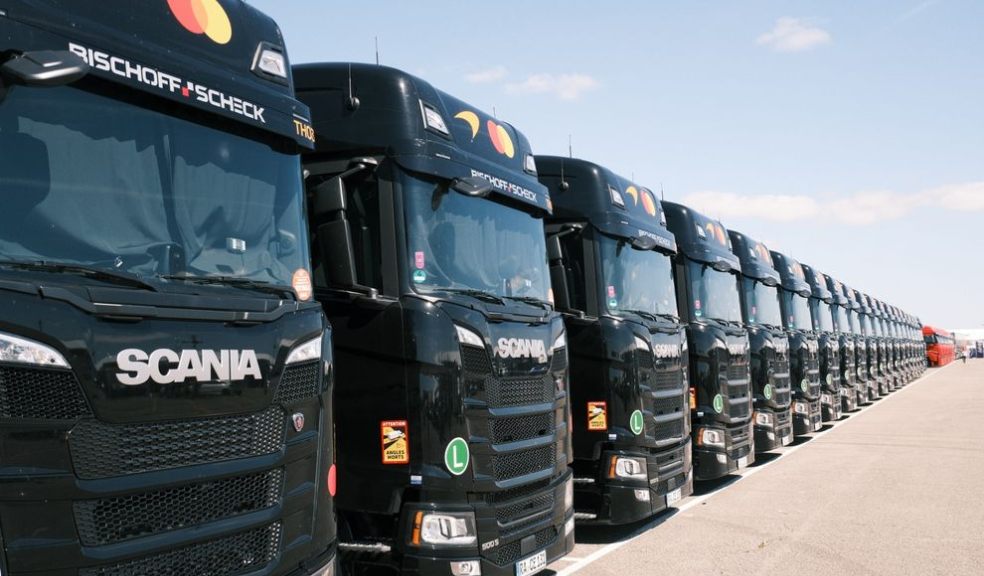
The public face of an event tempts planners into worshipping appearance. Flowers, branding, video walls, polished receptions, and lovely things. Yet timing crushes glamour every single day. If the loading bay jams at 7 am, no floral arrangement will rescue the opening hour. When a keynote speaker arrives early and finds no escort, prestige can quickly become brittle. When catering misses the staff briefing, the risk of allergens becomes serious. The best teams obsess over schedules that look almost absurdly precise. Five-minute windows. Alternate routes. Named responsibilities. Hard cut-off points.
People Who Read the Room
Technology helps. Radios matter. Access systems matter. Shared run sheets matter. Events still depend on something older and harder to teach, which is human judgement in motion. A good steward doesn't merely stand near a doorway. That person reads body language, senses impatience, notices confusion, and redirects people before irritation turns into friction. A seasoned stage manager can hear trouble in the tone of a headset exchange. There lies the beauty of event work. Rules hold the frame. Instinct keeps the frame from cracking.
Recovery Is the Real Skill
No major event unfolds exactly as planned. Vans run late. Rain changes footfall. Equipment fails. Guests ignore signage with the confidence of emperors. Strong teams don't chase perfection. They chase recovery speed. That distinction separates amateurs from professionals. A smart crew spots a wobble early, contains it, reroutes people, updates colleagues, and keeps the audience blissfully unaware. That is not luck. That is rehearsal, trust, and a culture where staff speak up fast because nobody has time for ego. Calm on the surface. Ferocious adjustment underneath.
Conclusion
This hidden cooperation deserves more respect than it gets. Public praise drifts towards headline acts, celebrity hosts, dramatic staging, and the visible symbols of success. Fair enough. People respond to what they can see. The deeper truth lies elsewhere, in the disciplined mesh of workers whose names never reach the programme. They solve problems before guests even realise they are there. They turn plans into movement. Strip away that collective effort, and the grand occasion starts to look flimsy. Keep it strong, and thousands of people pass through a complicated machine without ever noticing the gears.