





Why a hosepipe ban is the wrong time to mow your lawn
Five UK water companies have now introduced hosepipe bans as hot, dry weather continues to put pressure on water supplies, affecting millions of households across England.
With the UK experiencing another hot summer, several water companies, including Anglian Water, have introduced hosepipe bans and water restrictions. The measures present a challenge for gardeners across the country, who must find ways to keep their plants and outdoor spaces healthy and thriving without relying on water.
With this in mind, an expert from MyBuilder.com, the reliable way to hire tradespeople, is advising gardeners on how to take care of their outdoor space without needing to use lots of water. From preparing gardens for drought in areas affected by hosepipe bans and maintaining plants through potential water restrictions.
For a hosepipe ban, the tips include keeping your grass long to ensure it retains moisture, as raising the blade levels can drastically reduce the chance of it drying out, and using the right fertiliser. Before a hosepipe ban, tips include weeding your garden as well as keeping your lawn as moist as possible.
James Lewis, an expert gardener from MyBuilder.com, said that there are simple steps you can take during any drought or hosepipe ban to minimise any damage to your garden.
“One of the main issues of drought or hosepipe bans is keeping your lawn healthy. Grass is at risk in drier weather due to higher exposure to sunlight and resistance to water if the soil gets too hard.
“Keeping your lawn as moist as possible and removing weeds, which compete for moisture, will put your garden in good shape before a hosepipe ban, and help it stay greener for longer during a period of drought.
“During a ban, it’s important to water your garden correctly and efficiently, so you can reduce the amount of water you will need to use whilst still allowing your grass and plants to thrive. Consider rainwater harvesting if you can, reusing household water, or a watering can.”
During a hosepipe ban:
Keep the grass longer
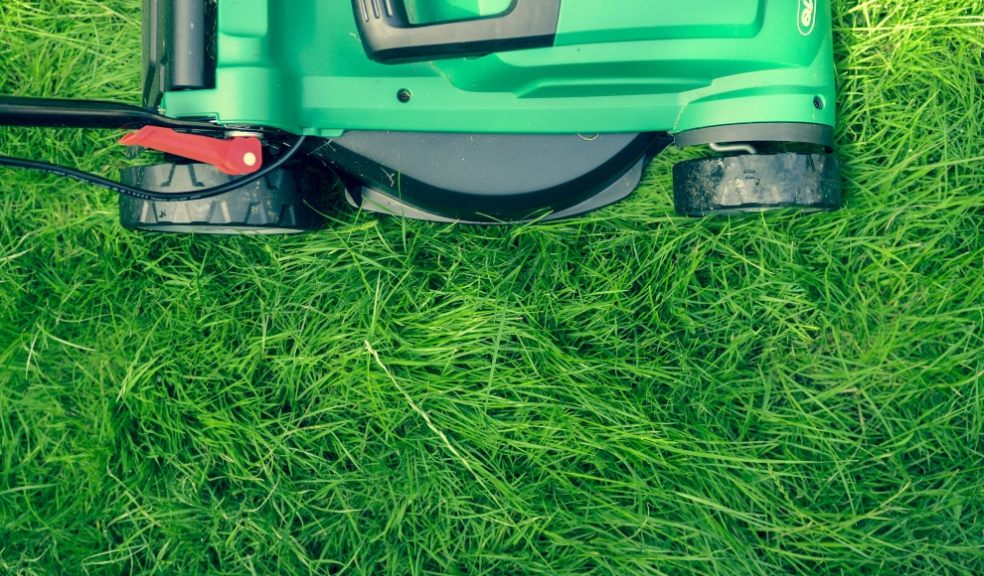
When mowing your lawn during hot weather, it’s a good idea to raise your blade level to about two inches, which will allow your grass to retain moisture and stop your lawn from drying out too quickly. This will reduce the need to water your grass during drier periods.
Use the right fertiliser
To reduce the demand of needing to water your garden during a hosepipe ban, avoid feeding your lawn with fertilisers that are high in nitrogen, as this can cause your grass to grow at a substantially quicker rate, which will cause you to water your lawn more regularly as a result.
Drought resistant plants
If you are concerned about the amount of water you will need to use in your garden during a hosepipe ban, think about growing drought resistant plants, such as lavender, rosemary, and cornflower, that require a relatively little amount of water. To be even more efficient with watering your plants, plant in pots or group together in beds to further reduce the amount of water you will need to use when taking care of your garden.
Tips for areas in the UK that haven’t introduced a water restriction yet:
Aerate your lawn
When the ground becomes too hard, it stops being receptive to water. To allow the water
to penetrate, it’s vital to aerate the ground. This can be done simply by using a garden fork to put some holes into the soil, or you can use a professional aerator for a more thorough job.
Keep your lawn and garden moist
As your garden will already start to become more dry around this time, there will be a risk of yellow patches starting to appear on your lawn, which could worsen if you are in a water restriction. Before any laws restrict how you can water your garden, apply either a garden sprinkler or a regular hose to your grass every other day, until you see minor puddles appearing on the surface. Doing this will keep your garden moist as temperatures begin to increase.
Add mulch to your soil
With the increasingly drier weather, it is important to dampen your soil as much as possible, particularly during a period where rainfall and private water usage will be more scarce. Adding a layer of mulch to the soil will help keep moisture in the ground beneath, reducing the need for watering. Mulch also helps to keep weeds at bay.
Weed your garden
Weeds compete with other plants for water, so it’s important to control the amount you have in your garden. Remove the weeds from the root by hand where possible, or consider using weed-killers that don’t contain glyphosate, which is safer to use around plants.
Install a rainwater harvest system
Rainwater harvest systems are becoming increasingly popular in the UK as it is an effective way to save up and use water during later periods of dry weather. To install one in your home does not require a license, and you can book a professional to fit one in your garden before a hosepipe ban is put into place.