




How to Adapt Your Home So You Can Stay There for Longer
Staying in the same home into later life usually depends on how well the building works day to day, rather than on how attached you are to it. Most UK housing was designed around fit adults, which shows up in narrow doorways, steep stairs, high bath rims and switches placed where nobody with failing eyesight would put them. Changes made early cost less and cause less upheaval than the same work rushed through after a fall.
Adapting a house doesn't mean stripping the character out of it, and much of what helps is either invisible or looks like ordinary redecorating. The sensible approach is to start from the jobs that already take more effort than they used to, then fix the specific thing causing the difficulty rather than gutting a room on principle.
Follow the routes you actually use
Trace the trips you make a dozen times a day, bed to bathroom, front door to kitchen, and notice where you brace against furniture or turn sideways to get past. Doorways of 900mm and corridors of 1,200mm are the widths recommended where a walking frame or wheelchair might ever come into it. Loose rugs, trailing flexes and raised thresholds cause more stumbles than most people admit, and clearing them costs nothing.
Stairs are where most of the decisions get made
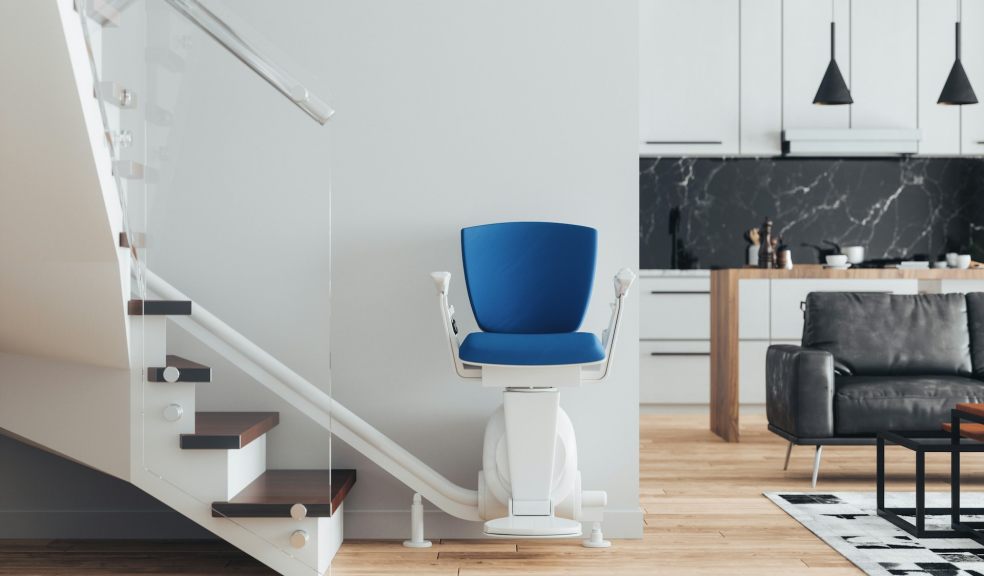
Before deciding a move is the only option, work out what the stairs are actually stopping you doing, since bedrooms and bathrooms upstairs are what people want to keep. Plenty of UK staircases turn part way or wind around a landing, and curved stairlifts are built to a template taken from that exact bend, which is why they may cost more than a straight rail and take longer to arrive. A second handrail, brighter lighting and a contrasting edge on each tread help in the meantime.
Bathrooms, lighting and the smaller changes
Stepping over a bath rim is where a lot of people first lose confidence, and swapping it for a level access shower with a fold-down seat deals with that without turning the room into a ward. Grab rails work far better fitted where you already reach for the basin or towel rail, so watch yourself for a week before drilling into tile. Lighting slips because it fails gradually, and lights under the kitchen cupboards and along the route to the bathroom take most of the guesswork out of moving around after dark.
What help with the cost exists
Councils normally pay for smaller items such as rails, ramps and outdoor lighting, while larger work is means tested. Funding also goes further than people expect, since a £50m increase to the Disabled Facilities Grant was set to cover adaptations for around 5,000 more households. An occupational therapist assessment is usually the way in, and arranging one before committing to structural work saves money.
Doing things in a sensible order
Start with the changes that cost nothing, move on to the ones under a few hundred pounds, and leave anything structural until last. Work done in that order rarely gets wasted, because the cheap fixes often reveal that the expensive one isn't needed yet. The house also carries on feeling like yours rather than a set of equipment.