




Buying a Static Caravan: A Complete First-Time Buyer's Guide
Buying a static caravan can be one of the best decisions a family makes - years of easy, low-cost holidays in a place you love, without the endless cycle of booking and packing for somewhere new. It can also be an expensive mistake if you go in without the full picture. The difference almost always comes down to preparation.
This guide takes first-time buyers through the whole journey step by step: whether ownership actually suits you, what you're really paying for, how to choose the right park, and the pitfalls that catch people out. No hard sell - just the practical details you need before you commit.
First Question: Is Buying a Static Caravan Right For You?
Before looking at prices or parks, be honest about how you'll use it. A static caravan rewards people who return to the same place regularly and value having a ready-made base waiting for them. It's a poor fit for anyone who wants to holiday somewhere different every year, or who's hoping the caravan will make money.
As a rough test, ownership tends to make sense if you'll genuinely use it several times a year, you like the familiarity of a home-from-home, and you can comfortably cover the running costs without relying on renting it out. If those things ring true, the rest of this guide is about doing it well.
What You Actually Own
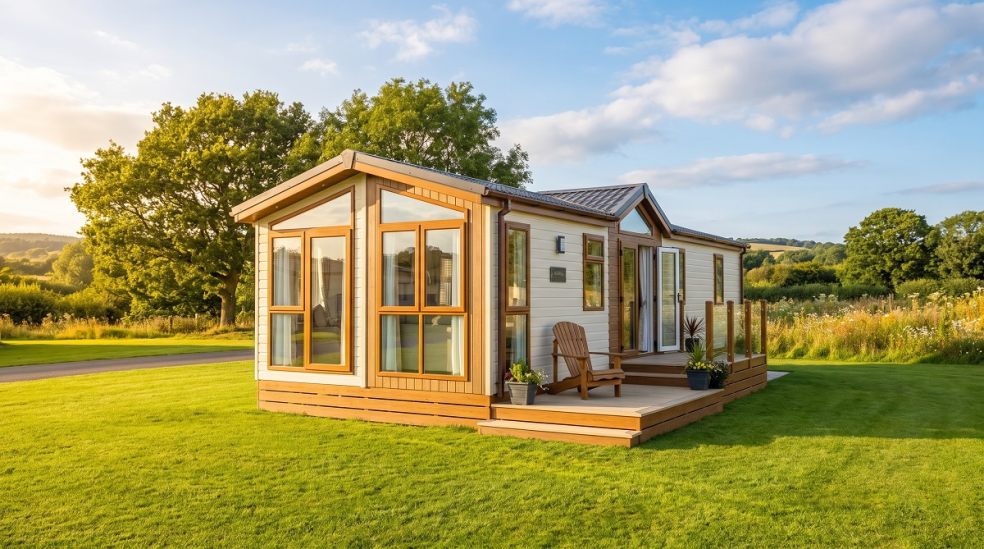
Here's the single most important thing to understand: when you buy a static caravan, you own the caravan - but not the land beneath it. It sits on a pitch you rent from a holiday park under a licence agreement, which is very different from owning a house or a plot.
That licence also means you generally can't live there permanently. Holiday parks are licensed for holiday use, so a static caravan is a second home for breaks and weekends, not a full-time residence. (Year-round living means a residential park home - a separate market with its own rules.) For holiday use, though, the appeal is simple: a comfortable, fully fitted place that's yours whenever you want it.
How Much Does Buying a Static Caravan Cost?
Prices swing widely with age, size, specification and location. As a 2026 guide:
- New static caravans generally start around £30,000 for entry-level two-bedroom models and climb past £100,000, with luxury lodges reaching £250,000 or more.
- Used static caravans typically begin around £10,000 for older models - occasionally less - and rise to £50,000+ for newer, well-kept examples, depending on condition and the park.
Treat the purchase price as your starting figure, not your total. The ongoing costs are where first-time buyers most often get caught out.
The Ongoing Costs to Budget For
Site fees (pitch fees) are the big one - your annual rent for the pitch and the park's facilities. Most owners pay somewhere around £4,500 to £6,000 a year, with the full range stretching from roughly £3,000 at smaller, quieter parks to £12,000 or more at large premium parks with pools, bars and entertainment. Your pitch position and caravan size feed into it too.
Utilities (electricity, gas and water) are usually metered and billed by the park. Modern caravans are well insulated and double glazed, so expect lower bills than at home - but budget for them all the same.
Insurance isn't a legal requirement, but most parks insist on it, and with the risk of storm, flood or fire, it's worth having regardless.
Everything else: routine maintenance, a small "draining down" charge before winter to guard against burst pipes, and - should you ever relocate the caravan - transport and siting fees, which usually run from around £950 to £4,500 depending on distance and size.
The good news: holiday-use static caravans aren't liable for council tax, though the park normally recovers a share of its business rates through your fees.
New or Used?
Buying new gets you the latest insulation and efficiency, a manufacturer's warranty (typically 12 months on parts and labour, with some brands offering two to three years, plus structural and anti-corrosion cover of 10 years or more on many models) and minimal early maintenance - in exchange for a higher price and faster depreciation in the first few years.
Buying used cuts the entry cost significantly but shifts more risk onto you. Get someone who knows statics to check for damp, rust, leaks and wear before you buy, and confirm the park's age limit - many won't accept caravans over a certain age, which affects both what you can buy now and what you'll be able to sell later.
Paying For It
Most people either buy outright or spread the cost with finance. Parks often have a tie-up with a finance provider and will offer to arrange it on the spot - convenient, but not always the cheapest, as the interest can be steep. Banks and independent lenders also lend against caravan purchases. As with any borrowing, compare the options and consider independent financial advice rather than signing whatever's put in front of you on the day.
Where to Buy: Choosing the Park and Location
Location drives almost everything - the price, the site fees, how often you'll actually go, and how easily you'll sell later. A handful of regions come up repeatedly as the UK's static caravan heartlands, each suiting a different buyer. Cornwall and Devon sit at the premium end, with the rental demand and firm resale values to match. The Yorkshire coast blends seaside resorts with the moors and Dales inland, while North Wales and Cardigan Bay appeal to buyers who put scenery first.
Norfolk is the obvious choice for anyone in the South East wanting a coast within easy reach, and the Lincolnshire coast offers the widest choice at the lowest prices, with one of the largest concentrations of holiday parks anywhere in the UK. Wherever you focus your search, it's worth comparing a few areas before committing - you'll find static caravans for sale in Lincolnshire and plenty more along the coast from Yorkshire down to the West Country, each with its own balance of price, setting and demand.
Whichever region you choose, pick somewhere close enough that a spur-of-the-moment weekend is realistic, always visit in person, and read the licence agreement in full - checking the pitch licence length, the park's age limit, the opening season, and precisely what the site fee includes.
Is a Static Caravan a Good Investment?
This is where it pays to be realistic. If "investment" means something that grows in value, a static caravan isn't one - like a car, it depreciates from day one, and resale prices often surprise owners. Renting it out can offset costs, but once site fees, cleaning, agency charges and quiet weeks are counted, most owners break even or come out slightly behind.
So why do so many people happily own one? Because the real return is on lifestyle, not money. A static caravan buys time and memories: more weekends away, more school holidays together, more spontaneous trips that wouldn't otherwise happen. For families who keep coming back to the same spot, that value is genuine - it just isn't measured in resale price. The sensible approach is to buy something you can afford to own outright, treat any rental income as a bonus, and set your expectations accordingly.
Mistakes to Avoid When Buying a Static Caravan
- Budgeting for the purchase price alone and being blindsided by annual fees and running costs.
- Not reading the licence agreement - pitch length, age limits, subletting rules and fee rises are all in there.
- Assuming you can live in it year-round. Holiday parks are for holiday use.
- Banking on rental income to cover your finance payments.
- Skipping a survey on a used caravan and inheriting damp or structural faults.
- Falling for the caravan before the park. Over time, the park, its location and its terms matter more than the model.
Frequently Asked Questions
Is buying a static caravan worth it? For the right buyer, yes. If you'll use it regularly, enjoy returning to a familiar place and can afford the running costs without relying on rental income, it can transform how much downtime you get. If you're chasing a financial return or want total flexibility on where you holiday, it probably isn't for you.
Can you live in a static caravan permanently? No. Static caravans on holiday parks are for holiday use only. Year-round living requires a residential park home or your own land with the right permissions.
How much are static caravan site fees? Most owners pay around £4,500 to £6,000 a year, ranging from roughly £3,000 at smaller parks to £12,000 or more at large premium ones. Location and facilities are the main drivers.
Do you pay council tax on a static caravan? Not on one used for holidays. The park usually passes on a share of its business rates instead.
Can I get finance to buy a static caravan? Yes - parks often arrange it, and banks and independent lenders lend against caravan purchases. Compare rates and seek independent advice, as park-arranged finance can carry higher interest.
Should I buy new or used? New means lower maintenance and a warranty but a higher price and faster early depreciation. Used lowers the entry cost but carries more risk - always check condition and the park's age limit first.
The Bottom Line
Buying a static caravan works best when you go in informed. Be honest about how often you'll really use it, budget for the full cost rather than the sticker price, and choose the park as carefully as the caravan itself. Get those three right and a static caravan stops being a gamble and becomes exactly what most happy owners were after: a simple, low-hassle holiday home that pays you back in time and memories, not in resale value.
This article is a general guide, not financial or purchasing advice. Prices, site fees and other figures are indicative only - they vary widely between parks and locations and change over time. A static caravan is a significant commitment, so always confirm current costs, licence terms, occupancy conditions and the full contract with any park or operator before entering an agreement.