




How to Choose Golf Shoes that Keep You Comfortable and Stable
The right footwear can make a surprising difference to your enjoyment of golf. A round may involve several hours of walking, uneven ground and changing weather, so shoes need to support more than just your style on the tee.
When choosing golf shoes, focus on comfort, grip and weather protection first. A well-fitting pair can help you stay balanced through your swing while keeping your feet comfortable from the first hole to the last.
Begin With Fit and Comfort
Golf shoes should feel secure without being restrictive. There should be enough room around the toes to prevent rubbing, particularly as feet can swell slightly during a long walk. At the same time, your heel should remain firmly in place to avoid slipping inside the shoe.
Try shoes on with the type of golf socks you normally wear. Walk around and pay attention to pressure points across the heel, arch and forefoot. A shoe that feels slightly uncomfortable in the shop is unlikely to improve halfway through an 18-hole round.
Consider width and support
Foot shape varies, so standard sizing is not the only factor to consider. Some golfers benefit from wider-fitting designs, while others prefer a more streamlined fit that keeps the foot firmly supported during the swing.
Good arch support and cushioning can be particularly valuable if you play regularly or walk hilly courses. If you use orthotic insoles, check that the shoe has a removable insole and enough internal space to accommodate them comfortably.
Choose Between Spiked and Spikeless Soles
The sole of a golf shoe affects grip, flexibility and how easily you can wear it away from the course. Both spiked and spikeless styles can work well, but the best option depends on where and when you play.
Spiked golf shoes
Spiked shoes use replaceable soft cleats to provide strong traction. They are often a reliable choice for wet, muddy or sloping courses, where extra grip can help you maintain stability throughout the swing.
They can feel more structured underfoot and are particularly useful for golfers who play through the autumn and winter. However, they may be less convenient if you want footwear that can also be worn comfortably in the clubhouse or while travelling.
Spikeless golf shoes
Spikeless shoes have moulded rubber patterns or small lugs on the sole. They are generally lighter and more flexible, with a trainer-like feel that appeals to many golfers.
They perform well in dry conditions and are ideal for casual rounds, practice sessions and summer golf. On very wet ground, however, they may not provide quite the same level of traction as a spiked model.
Think About the Conditions You Play In
Your usual playing season should influence your choice. If you mainly play during dry spring and summer weather, breathable materials and lightweight construction may be your priority. Golfers who play year-round may place greater value on waterproof protection and a more robust sole.
A waterproof upper can help keep feet dry during early-morning rounds, light rain and damp fairways. Check whether the shoe is fully waterproof or simply water-resistant, as these terms can mean different levels of protection.
Breathability matters too. Shoes with mesh panels or moisture-managing linings can make warm-weather rounds more comfortable, although they may offer less protection in heavy rain.
Pay Attention to Stability During the Swing
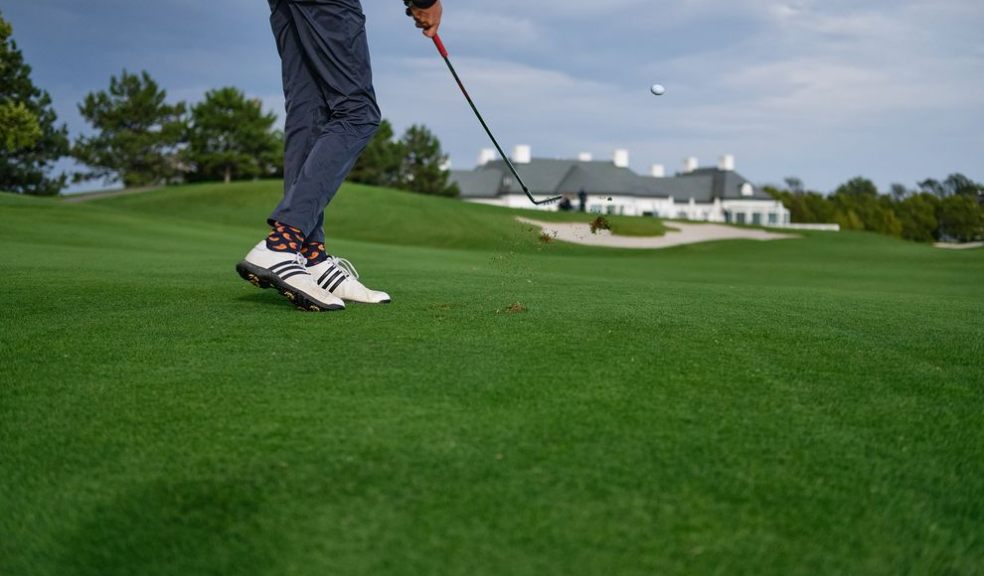
A golf swing creates a strong rotational movement, so shoes need to provide a stable platform without limiting natural movement. Look for a secure heel area, supportive midsole and a sole that keeps good contact with the ground.
The best shoe should help you feel planted during the backswing and follow-through. If the sole feels too soft or the upper allows your foot to move excessively, it may affect your confidence on wet grass or uneven lies.
This does not mean every golfer needs a heavy, highly structured shoe. Many modern designs combine stability with lightweight cushioning, making them suitable for players who prefer a more athletic feel.
Do Not Overlook Practical Details
Small design features can improve your experience over time. Consider how easy the shoes are to clean, whether the laces stay secure and how simple they are to put on and remove.
Some models use traditional laces, while others have quick-fastening systems that allow for a more precise fit. Neither is automatically better, but the fastening should keep the shoe comfortably secure throughout the round.
It is also sensible to own more than one pair if you play often. Rotating shoes allows them to dry properly between rounds, helping maintain comfort and extending their lifespan.
Frequently Asked Questions
Should I buy spiked or spikeless golf shoes?
Spiked shoes offer excellent grip in wet or hilly conditions. Spikeless shoes are lighter and more versatile, making them a popular choice for dry-weather and casual golf.
How should golf shoes fit?
They should feel snug around the heel and midfoot, with enough room for your toes to move naturally. There should be no rubbing, pinching or slipping when you walk.
Are waterproof golf shoes worth it?
They are a worthwhile option for golfers who play in changeable weather or on courses with damp morning grass. Waterproof shoes help keep feet dry and comfortable for longer.
Can I wear normal trainers to play golf?
You can, but they are unlikely to provide the grip and stability needed for a consistent swing, especially on wet or uneven ground.
Conclusion
Golf shoes are an important part of feeling comfortable and confident on the course. By choosing a pair that fits properly, matches your usual playing conditions and offers dependable traction, you can spend less time thinking about your feet and more time enjoying your round.