




What to Consider When Looking for a Charity Clothing Supplier
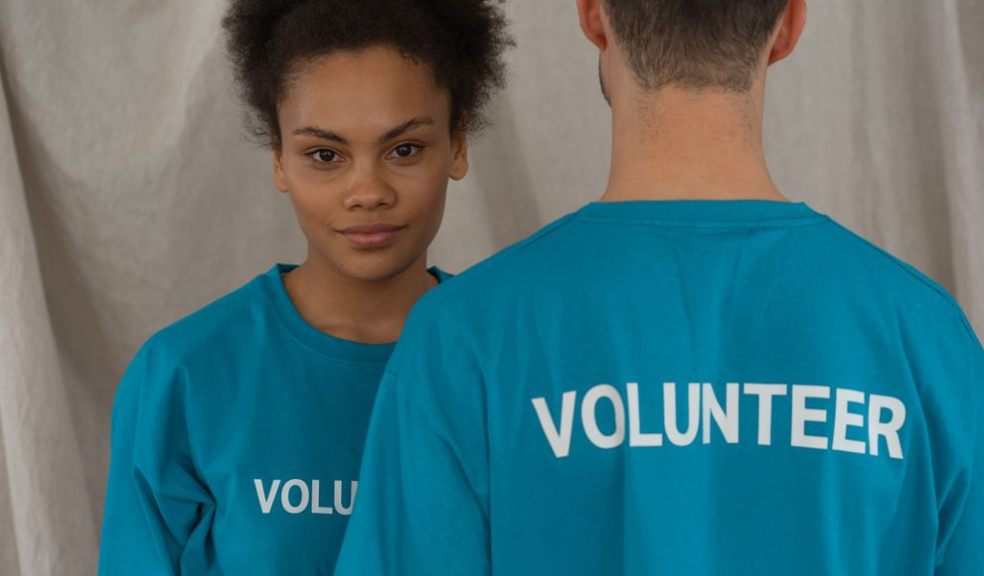
Custom charity clothing is versatile and can be used for various activities, including fundraising events, volunteer uniforms, or promotional wear for campaigns. However, the real challenge lies in finding the right supplier.
Besides money, you have to dive deeper and assess the supplier’s reputation, quality, and minimum order requirements. Below are some of the key factors to help you make an informed selection.
Understand Your Requirements for Charity Clothing
How or where do you plan to use the charity clothing? This is one of the questions you must ask before approaching charity clothing manufacturers. Your requirements will depend on how the clothing will be used and who will receive or wear it.
For example, if you are organising a charity run, you may need lightweight branded running vests. On the other hand, if you are partnering with volunteers for a cleaning exercise, you may need custom-branded polo shirts.
Moreover, if you intend to promote your company, the design and branding must align with your brand and cause.
Assess Clothing Quality and Durability
Quality should be one of the most important considerations when choosing a charity clothing supplier.
However, a limited budget shouldn't push you toward choosing the cheapest fabrics. Instead, you can try here and choose affordable materials with the right weight. Second, ensure the stitching, printing, and craftsmanship are top-notch.
Low-quality branding can fade, crack, or become damaged, potentially giving your organisation an unprofessional appearance.
Compare Pricing and Minimum Order Quantities for Charity Clothing Manufacturers
Price is an important factor when looking for charity clothing suppliers. However, money alone shouldn’t be the only factor influencing your decision.
When comparing quotes, look at the total cost, including fabric, customisation, delivery, and other applicable fees. A supplier with a slightly higher unit price may offer better value if the clothing is of higher quality.
Equally important is minimum order quantities. Some suppliers may require you to purchase a specific number of shirts or vests, which can be challenging for smaller brands or organisations launching a new campaign.
Review Delivery Times and Order Capacity
Timing can be critical when ordering charity clothing. If the clothes are required for a fundraising event, campaign launch, or community event, late delivery can create significant problems.
Before placing an order, ask how long production and delivery typically take. Find out whether custom-printed or embroidered garments require additional processing time. Also, confirm whether the supplier has the capacity to handle your order.
Check the Supplier’s Reputation and Experience
A supplier's experience can provide valuable insight into the level of service you can expect. Start by looking for reviews, customer testimonials, and previous charity projects the supplier has worked on.
This will help you understand how the supplier handles quality control, communication, deadlines, and bulk orders.
Something else worth mentioning: do not rely only on testimonials from the supplier’s website. Where possible, look for independent reviews and, if you can, contact organisations that have worked with the supplier.
Final Thoughts
Finding the right charity clothing supplier requires careful consideration of quality, affordability, sustainability, and customer service. One thing you should keep in mind is that the cheapest option isn't necessarily the best choice.
Before placing your order, start by assessing your needs and budget. If possible, ask the supplier to send you samples before production begins.