






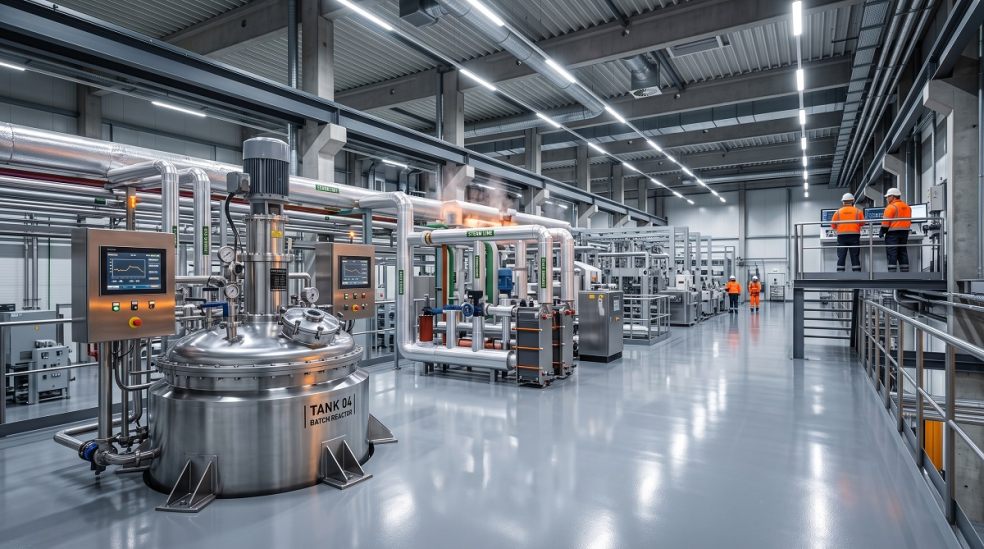
How Industrial Mixing Equipment and Heating Systems Shape Modern Facility Efficiency
Industrial facilities are under increasing pressure to reduce operational costs, lower energy consumption, and maintain consistent output quality. Two areas that often receive less strategic attention than they deserve are process mixing equipment and building heating infrastructure. Yet both play a surprisingly interconnected role in determining how efficiently a plant or commercial facility runs day to day. Understanding how to optimize each — and how decisions in one area can influence the other — is essential for facility managers, plant engineers, and procurement teams looking to get more from their existing assets.
The Strategic Value of Process Mixing in Industrial Operations
Mixing is one of the most fundamental operations in industrial processing. Whether you are blending chemicals, homogenizing food products, emulsifying cosmetics, or preparing pharmaceutical compounds, the quality and consistency of your mixing process directly determines the quality of your final product. A poorly calibrated or undersized mixer can introduce variability into production batches, increase waste, and drive up energy costs through inefficient motor operation.
What many operations managers overlook is that acquiring new mixing equipment is not always the most cost-effective path forward. Refurbished and pre-owned industrial mixers, when sourced from reputable suppliers, can deliver equivalent performance at a fraction of the capital expenditure. If your facility is scaling up production or replacing aging equipment, investing in a used industrial mixer from a trusted process equipment supplier can provide the throughput you need without overextending your capital budget. This approach is particularly valuable for mid-sized manufacturers who need reliable performance but cannot justify the lead times and costs associated with brand-new custom equipment.
Matching Mixer Specifications to Process Requirements
Not all mixers are created equal, and selecting the right unit for your specific process is critical. Key variables include viscosity of the material being mixed, required batch size, mixing speed, temperature sensitivity, and whether the process demands hygienic or explosion-proof design standards. Ribbon blenders, paddle mixers, high-shear mixers, and planetary mixers each serve distinct purposes. Before procurement, a thorough process audit should be conducted to ensure the selected equipment aligns with both current and anticipated production demands.
Facilities that skip this step often find themselves with equipment that is either over-engineered for their needs — consuming unnecessary energy — or underpowered, leading to extended cycle times and inconsistent product quality. Working with suppliers who offer technical consultation alongside equipment sales can help bridge this gap and ensure a better long-term fit.
Heating Infrastructure: An Often Overlooked Efficiency Lever
While process equipment gets most of the attention in industrial settings, the building and facility heating systems that support operations are equally important to overall efficiency. Boilers, heat pumps, and hydronic systems are the backbone of climate control and process heat delivery in many facilities. Yet these systems are frequently left to run on outdated configurations, particularly during warmer months when demand appears to drop.
Seasonal heating management is one area where facilities consistently leave money on the table. Many plant managers are unaware of the operational and financial benefits of adjusting boiler settings during summer months. If you have not yet considered this, understanding why seasonal boiler management matters can open the door to meaningful reductions in energy spend without compromising facility comfort or process heat availability.
The Role of Heat Pumps in Modern Industrial Heating
The conversation around industrial heating has shifted considerably in recent years, driven by decarbonization targets and rising fuel costs. Heat pumps, once considered primarily a residential technology, are now being deployed at scale in commercial and light industrial settings. Their ability to deliver heating and cooling from a single system, combined with significantly lower carbon output compared to gas-fired boilers, makes them an attractive option for facilities looking to meet sustainability commitments without sacrificing operational reliability.
According to industry analysis on decarbonization and energy efficiency in heating systems, the integration of heat pumps alongside existing boiler infrastructure is becoming a preferred transitional strategy. Rather than replacing boilers outright — a costly and disruptive undertaking — many facilities are adopting hybrid configurations that allow heat pumps to handle base load heating while boilers manage peak demand. This approach reduces fuel consumption and carbon emissions while preserving system resilience.
Connecting Process Equipment and Energy Systems for Whole-Facility Efficiency
The most forward-thinking facility managers are beginning to view process equipment and energy infrastructure not as separate domains but as interconnected systems that must be optimized together. A high-efficiency mixer that draws less power during operation reduces the electrical load on the facility, which in turn affects how heating and cooling systems are sized and operated. Similarly, a well-managed heating system that maintains stable ambient temperatures can improve the performance of temperature-sensitive mixing processes, reducing the need for supplemental heating or cooling at the equipment level.
This integrated perspective is particularly relevant for facilities undergoing expansion or equipment upgrades. When procurement decisions for process equipment are made in isolation from energy infrastructure planning, opportunities for synergy are missed. A facility that upgrades its mixing line while simultaneously modernizing its heating system can achieve compounding efficiency gains that neither upgrade would deliver on its own.
International Process Plants: A Trusted Source for Pre-Owned Process Equipment
For facilities seeking reliable process equipment without the premium price tag of new machinery, International Process Plants has established itself as a leading supplier of refurbished and pre-owned industrial equipment. With an extensive inventory spanning mixers, reactors, heat exchangers, and complete processing lines, the company serves a wide range of industries including chemical, pharmaceutical, food and beverage, and specialty manufacturing. Their team brings deep technical expertise to every transaction, helping buyers identify equipment that meets their specific process requirements and compliance standards. For operations looking to scale efficiently and responsibly, International Process Plants represents a practical and proven procurement partner.
Conclusion: Efficiency Gains Require a Broader View
Operational efficiency in industrial and commercial facilities is rarely the result of a single improvement. It emerges from a series of well-considered decisions across multiple systems — from the mixing equipment on the production floor to the boilers and heat pumps managing the building environment. By taking a more holistic approach to facility management, procurement teams and plant engineers can identify opportunities that siloed thinking consistently misses.
Whether the priority is reducing capital expenditure through pre-owned process equipment, cutting energy costs through smarter heating management, or positioning the facility for long-term decarbonization, the underlying principle is the same: informed decisions, made with a full picture of how systems interact, deliver the most durable results. Now is the time to assess where your facility stands and where the next meaningful efficiency gain is waiting to be captured.