






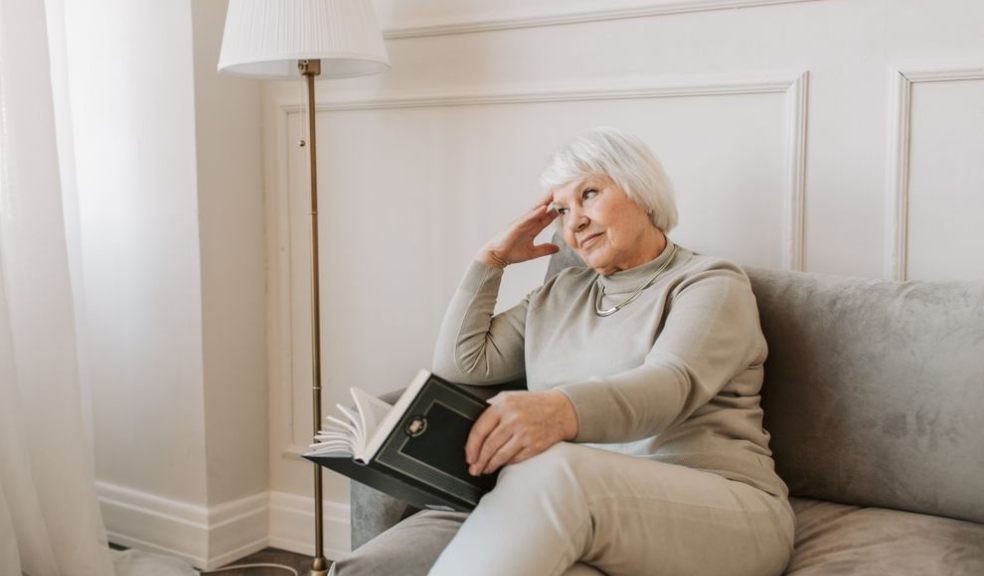
What Does a Good Quality of Life Look Like as We Get Older?
Getting older can change the shape of everyday life, but it should not automatically make that life smaller.
People often talk about ageing well in terms of physical health. Yet quality of life is much broader than whether somebody can walk a certain distance, manage the stairs or complete household tasks without assistance. It can also involve independence, dignity, relationships, familiar surroundings and having meaningful things to look forward to.
A good later life, therefore, may be less about doing everything independently and more about having the right support to continue doing the things that make life feel like your own.
Independence Does Not Have to Mean Doing Everything Alone
Independence is sometimes interpreted too literally. If somebody needs help preparing meals, getting dressed or travelling to appointments, it can be tempting to assume they have lost some of their independence.
In reality, support can protect independence rather than replace it.
An older person may need considerable practical assistance while still deciding what they eat, when they get up, where they go and how they spend their day.
For families exploring Surrey live in care services, uniquecare.co.uk provides an approach designed to support people within their own homes, rather than assuming that needing greater assistance must mean giving up familiar surroundings.
The best support should fit around the individual rather than expecting the individual to fit around the support.
Familiarity Can Become Increasingly Valuable
Home is rarely just a building. It contains routines, memories and small comforts that can become particularly meaningful later in life.
It might be the garden someone has tended for decades, the neighbour they speak to each morning or simply knowing exactly where everything is in the kitchen. Maintaining these connections can provide continuity at a time when other aspects of life may be changing.
Where remaining at home is practical and safe, bringing appropriate support into that environment can therefore be about more than convenience. It can help preserve a person's relationship with their community and everyday routines.
Having Something to Look Forward To Still Matters
A meaningful life needs more than basic needs being met.
What counts as meaningful will be different for everyone. For one person it might mean gardening. For another, it could be attending a weekly coffee morning, watching football with a friend, cooking Sunday lunch, volunteering or continuing a lifelong hobby.
Families and carers can easily become focused on what somebody needs. Food, medication, appointments and household tasks naturally become priorities. But asking what somebody enjoys can be just as important.
Quality of life is not simply about getting through the day safely. It is also about having reasons to enjoy it.
Dignity Is Often Found in the Smallest Decisions
Quality of life can also be protected through choices that might appear insignificant from the outside.
What would you like for breakfast? Would you prefer to go out this afternoon or tomorrow? Which clothes would you like to wear? Would you like some company or some time alone?
When somebody requires more support, there is a risk that routines become organised around efficiency. Yet maintaining control over everyday decisions can help preserve identity and dignity.
Good care should therefore involve listening as much as doing. Support should respond to a person's preferences, habits and personality rather than reducing their life to a checklist of practical tasks.
Ageing Well Means Supporting the Life That Is Already There
There is no universal picture of a good later life.
Some people want busy social calendars. Others value peace and familiarity. Some want to remain closely involved with family, while others treasure their privacy and independence. Health and mobility may change, but personality, preferences, and the need to feel valued do not suddenly disappear.
Perhaps the most useful question is not simply, "What care does this person need?"
It is, "What matters to them, and what support will help them continue to experience it?"
When care is approached from that perspective, ageing well becomes about much more than meeting practical needs. It becomes about protecting choice, familiarity, purpose and the everyday experiences that continue to make life meaningful.