





3 simple habits that support safer driving
You might think becoming a safer driver mainly comes with spending more time behind the wheel. Driving regularly can help, but time alone doesn't necessarily build good habits.
What you practise matters too, because repeating rushed or inconsistent decisions can make them harder to change later. Think of safer driving as a skill you can keep developing every time you get behind the wheel.
If you practise making deliberate decisions, you can learn to judge situations more effectively and prepare yourself to respond when circumstances change. Here are three habits that can help you be a safer driver every time you hit the road.
- Change speed smoothly
Look ahead and adjust your speed gradually rather than relying on sudden acceleration or harsh braking. Smooth changes give you more time to react and help you stay in control if traffic changes.
For example, if you see brake lights ahead, ease off the accelerator early and let your car slow naturally. Likewise, leave enough space when you set off so you don't have to brake sharply if the vehicle ahead suddenly slows.
Make smooth acceleration and braking a regular habit, and you might even be able to get a lower premium with telematics insurance.
- Prioritise vulnerable road users
Pay particular attention to people who face a greater risk of harm on the road. Under the Highway Code's hierarchy of road users, people who control vehicles that can cause the most harm should take greater care to reduce the danger they pose to others.
For example, when you turn into or out of a junction, look for people who are walking or cycling and give them the time and space they need. Before changing direction or overtaking, check your mirrors and blind spots and remember that another person's mobility needs may not always be obvious.
By considering who could face the greatest harm before you act, you can make safer decisions when sharing the road.
- Be careful in bad weather
Adapt your driving as soon as bad weather makes it harder to see clearly or reduces your grip on the road.
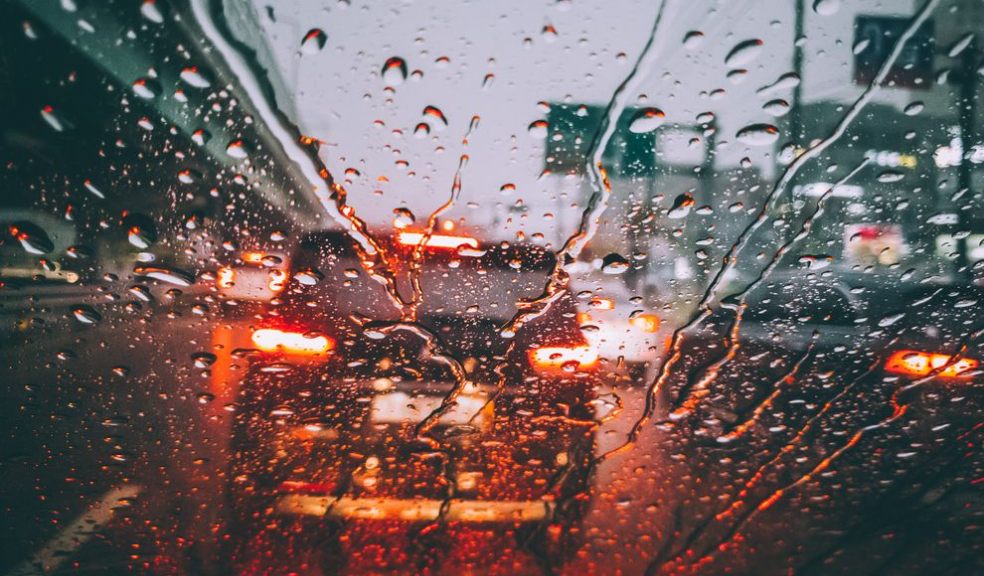
According to the Met Office, 90% of weather-related deaths and serious injuries on UK roads take place in the rain. Wet roads can increase stopping distances, while heavy rain can make it harder to see other road users and hazards.
For example, when rain starts, reduce your speed and increase the gap between you and the vehicle ahead. You should also avoid sudden steering or braking.
Changing how you drive when the weather changes gives you more time and space to respond safely as road conditions become less predictable.
Make safer choices part of how you drive
Safer driving comes from making considered choices consistently, especially when the road demands more from you.
Before your next journey, choose one aspect of your driving that you can pay closer attention to and practise it from start to finish.
By focusing on one change at a time, you can learn to judge situations more effectively without overwhelming yourself.
What could you do differently on your next journey to make it safer for everyone?