






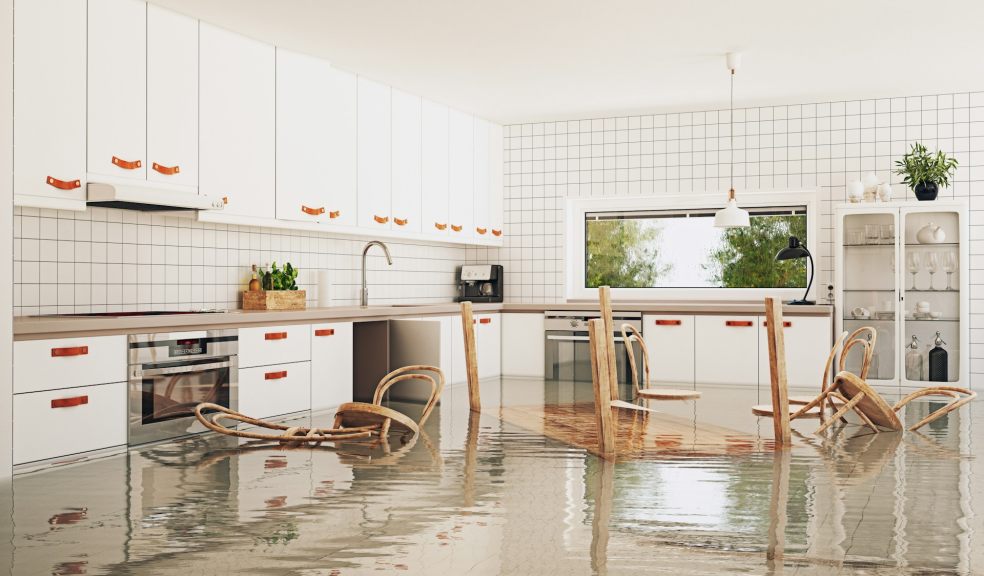
How Soon Can I Move Back in After My House Has Flooded?
A flooded home can turn your normal life upside down in just a few hours. Once the water is gone, your first question may be simple: When can I move back in?
Unfortunately, there is no fixed answer. Some homes may be safe within a few days. Others can take several weeks or longer. The timeline depends on the amount of water, where it came from, and how much damage it caused.
Professional flood damage restoration can help determine when your property is truly ready to live in again.
Do Not Move Back Just Because the Water Is Gone
A dry-looking floor does not mean your house is dry.
Water can soak into drywall, insulation, wood, flooring, cabinets, and other hidden areas. Moisture trapped behind walls or under floors can cause further damage and encourage mold growth.
There may also be electrical dangers, structural problems, or contamination.
Before returning, the home should be properly inspected.
Where Did the Floodwater Come From?
The source of the water can greatly affect the restoration timeline.
Clean water from a broken supply pipe may be easier to deal with. Floodwater from rivers, storms, drains, or sewage can contain bacteria, chemicals, and other harmful materials.
Contaminated materials may need to be removed rather than simply dried.
This makes professional flood damage restoration especially important after serious flooding.
How Long Does Flood Damage Restoration Take?
Every property is different, but the first stage usually involves removing standing water as quickly as possible.
Next comes drying and dehumidification. Professional equipment may be used to remove moisture from the air, walls, floors, and other materials.
Damaged drywall, insulation, flooring, or cabinets may also need to be removed.
After the property is dry and clean, repairs can begin.
A minor flood could require only several days of drying and restoration. Major flooding that affects several rooms, electrical systems, or the structure of the building could take weeks or even months to fully repair.
What About Mold?
Mold is one reason you should not rush back into a flooded property.
Damp building materials can create conditions where mold grows quickly. Even moisture hidden inside a wall can become a problem.
A flood damage restoration team can use moisture-detection equipment to find damp areas that may not be obvious.
Any mold or contaminated materials should be properly addressed before normal living resumes.
How Do I Know My House Is Safe?
Before moving back, you should be confident that the main risks have been handled.
The property should be structurally safe, electricity and gas systems should be checked when necessary, contaminated areas should be cleaned, and damaged materials should be removed or repaired. Most importantly, the building should be properly dried.
Do Not Rush the Return Home
Wanting to return home quickly is understandable, but moving back too early can expose you to hidden problems and may interfere with restoration work.
Good flood damage restoration is about more than removing visible water. It involves drying, cleaning, checking hidden moisture, removing damaged materials, and making the property safe again.
The safest time to move back is when the necessary inspections and restoration work confirm that your home is ready—not simply when it looks dry.