






Creative Ways to Refresh Tired Furniture on a Sensible Budget
Furniture does not have to be damaged or unusable to start looking tired. A chair might still be comfortable but have faded covers, while a sturdy chest of drawers may feel dated after years in the same room. Replacing these pieces can be expensive, particularly when several rooms need attention at once.
Fortunately, a few creative changes can give existing furniture a fresh appearance without requiring a complete redesign. Fabric, paint, thoughtful positioning and carefully chosen accessories can all make a noticeable difference. Working with furniture you already own can also result in rooms with greater personality than buying everything new.
Decide What Is Worth Updating
Start by looking at the condition of each piece rather than its current appearance. Solid furniture with a sound frame can often be a good candidate for a cosmetic update. Check chairs for unstable joints, inspect drawers and doors to see whether they operate properly, and look for damage that may need professional repair.
It is also worth considering whether the furniture still suits your needs. There is little benefit in spending time refreshing a large cabinet if its size makes the room awkward to use.
Focus first on pieces where a relatively simple change could have a noticeable effect. Dining chairs, footstools, bedside tables and small cabinets can all offer manageable starting points for a weekend project.
Transform Furniture with Colour and Texture
Textiles provide plenty of opportunities to change the mood of a room. Recovering a suitable chair seat or footstool with a new upholstery fabric can introduce colour, pattern or texture while retaining the original piece.
Think about the surrounding room when selecting material. In a space containing patterned curtains or a colourful rug, a plain fabric may create a calmer result. In a neutral room, a geometric pattern, stripe or richer shade can give a small item greater presence.
Texture deserves consideration too. Smooth, woven and tactile materials can produce very different effects, even when the colours are similar. For furniture that receives regular use, check that the chosen material is suitable for the intended application before starting work.
Give Furniture a New Purpose
Sometimes furniture feels tired because it has occupied the same position and served the same purpose for years. Moving it elsewhere can provide a surprisingly effective update.
A small side table from the living room could become a bedside table, for example. An unused stool might work as a plant stand, while a compact chest could provide useful storage in a hallway.
Suitable wooden furniture also offers opportunities for straightforward cosmetic changes. Depending on the finish and condition, careful preparation followed by paint or another appropriate finish can change its character. Replacing dated handles or knobs can provide another inexpensive update.
Even smaller accessories can be repurposed. Trays can hold toiletries or candles, baskets can organise everyday items, and attractive boxes can hide chargers, remote controls and other clutter.
Bring the Room Together with Finishing Touches
Once the main furniture has been refreshed, look at the room as a whole. Accessories can connect old and updated pieces without requiring everything to match perfectly.
Choose a few colours or textures and repeat them around the room. A shade used on a recovered chair might appear again on a cushion or within a patterned curtain. A warm wood tone could be echoed through picture frames, lamps or decorative objects.
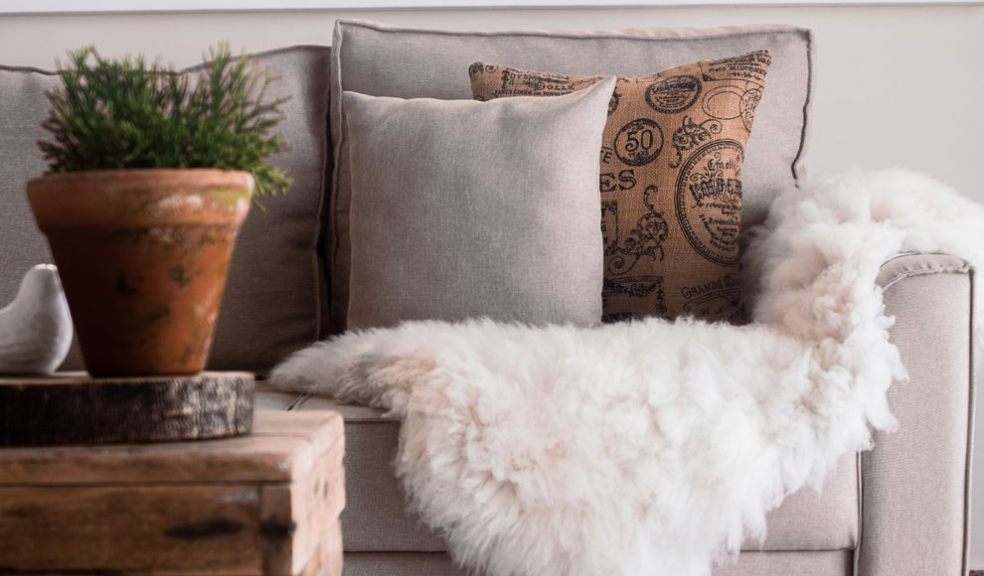
Throws and rugs are also useful when a room needs softness or colour. They can be changed easily as tastes develop, making them particularly practical for renters or anyone who prefers occasional updates.
Try to leave some visual breathing room rather than filling every surface. A smaller number of well-chosen accessories can allow refreshed furniture to stand out while keeping the room comfortable and personal.
Find New Potential in Familiar Pieces
Updating furniture offers an opportunity to look differently at what is already in the home. A faded chair, plain table or forgotten stool may need only a modest change to feel appealing again.
By assessing each piece carefully, experimenting with colour and texture, finding new uses for familiar furniture and connecting the room through accessories, homeowners and renters can create interiors that feel individual without automatically replacing everything they own. Small projects carried out over time can give well-used furniture a new lease of life while keeping spending at a sensible level.