






Simple Ways to Keep Your Car Looking Smart All Year Round
Daily driving gradually takes its toll on a car's appearance. Rain leaves marks on paintwork, road grime gathers around wheels and lower panels, while dust and pollen can quickly settle during warmer weather. Add regular commuting, motorway journeys and unpredictable British weather, and even a well-kept car can begin to look tired.
Keeping a vehicle presentable does not have to mean spending every weekend cleaning it. A few regular habits can prevent dirt from building up and make each cleaning session easier. Paying attention to smaller exterior details can make a noticeable difference too.
Establish a Regular Cleaning Routine
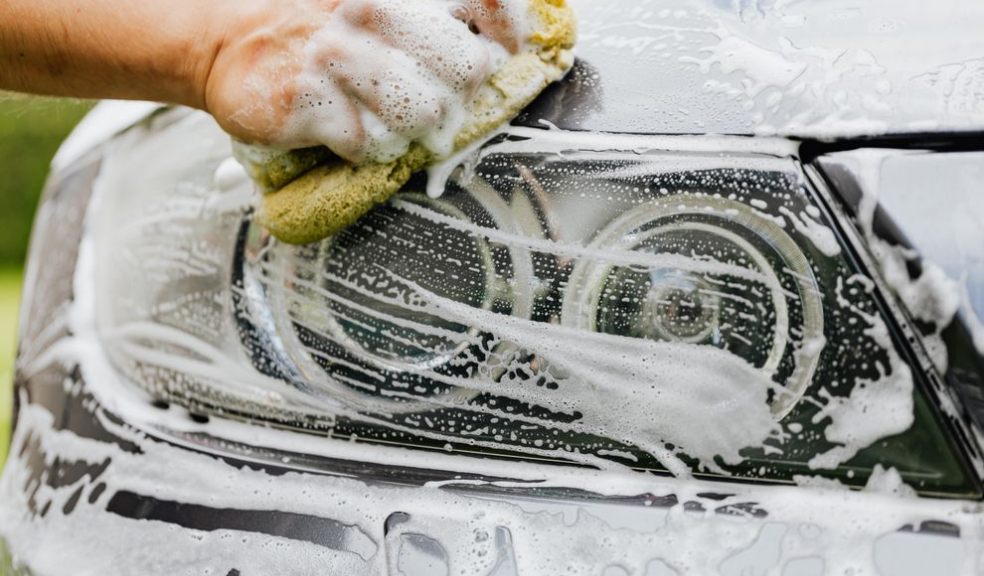
Regular washing is one of the simplest places to start. Dirt that remains on a vehicle for long periods can become harder to remove, particularly around wheel arches, wheels and lower body panels.
Use products designed for the surface being cleaned and follow their instructions. Household detergents may not be suitable for automotive finishes. When washing paintwork by hand, use clean equipment and avoid rubbing visible grit across the surface, as abrasive particles can cause marks.
Wheels often need extra attention because they collect road dirt and brake dust. A suitable wheel cleaner and separate cleaning tools can prevent dirt from being transferred to painted panels.
Glass deserves attention as well. Clean windows, mirrors and light lenses improve the overall appearance of the vehicle, while clear glass also supports good visibility. Do not forget less obvious areas such as door shuts and the edges around the boot, where grime can accumulate.
Protect Paintwork and Exterior Trim
Once the car is clean, consider whether its exterior surfaces would benefit from additional protection. Products such as automotive waxes and sealants are available for paintwork, with application methods varying between products. Always follow the manufacturer's directions.
Regularly looking over the bodywork also gives you an opportunity to spot small marks, chips or areas of deterioration. Appropriate action will depend on the type and severity of the damage. If you are uncertain about a repair, particularly where corrosion or deeper damage is present, professional advice may be preferable to an improvised fix.
Exterior plastics and other trim can also become grubby or faded over time. Cleaning them with suitable products can help keep the overall finish consistent. Avoid assuming that a product intended for one surface is suitable for another.
Don't Overlook the Smaller Details
A freshly washed body can still look untidy when the smaller exterior components have been neglected. Check badges, trim, light units and registration plates periodically for damage or deterioration.
Registration plates need particular care because their purpose goes beyond appearance. If a plate becomes damaged or no longer meets the applicable requirements, motorists may need a compliant replacement. When choosing a number plate maker, check that the supplier and resulting plates meet the current legal requirements relevant to your vehicle.
UK rules cover matters including the characters, spacing, colours and materials used for registration plates, with some requirements varying according to factors such as when a vehicle was registered. GOV.UK provides current guidance, so check the official requirements before ordering or fitting replacements rather than relying on appearance alone.
While inspecting the smaller details, look at the condition of exterior light lenses too. Damage should be dealt with appropriately, and lights should remain clean enough to perform their intended function.
Adapt Your Car Care to the Seasons
Different times of year bring different cleaning challenges. During winter, wet roads can coat lower panels and wheels with grime, while road salt may also accumulate. More frequent cleaning of exposed areas can stop deposits from sitting on the vehicle for extended periods.
Spring and summer bring their own problems. Pollen and dust can settle quickly, while bird droppings and insect residue may become particularly noticeable on clean paintwork. Strong sunlight can also make washing less convenient because cleaning products and water may dry quickly on warm panels. Choosing a cooler part of the day can make the job easier.
Rather than waiting until the car looks particularly dirty, build smaller jobs into your normal routine. A quick inspection or clean at sensible intervals is generally less daunting than tackling months of accumulated grime in one session.
Keep Care Consistent
A smart-looking car does not require constant attention. Regular washing, suitable surface care and occasional checks of smaller exterior components can prevent everyday dirt and wear from becoming far more noticeable.
Adjust those habits according to the season and the conditions in which you drive. Consistent basic care can make keeping a vehicle presentable throughout the year a much simpler part of ownership.