





7 Features Every Great Daycare Should Have in 2026
Choosing a daycare in 2026 looks different than it did even five years ago. Parents now expect real-time updates on their phones, security systems that actually work, and staff trained to handle everything from food allergies to emotional regulation. The bar has risen, and so has the list of things worth checking before signing an enrollment contract.
Here are seven features that separate a genuinely great daycare from one that's simply adequate.
1. Transparent, Real-Time Communication
Gone are the days of a single sticky note taped to a cubby explaining how nap time went. Quality daycares now use apps that send photos, meal logs, diaper changes, and mood notes throughout the day. Parents should be able to check in during a lunch break and see what their child ate an hour earlier.
This kind of transparency does more than ease anxiety. It creates a paper trail that helps staff and parents spot patterns, like a toddler consistently skipping breakfast or a preschooler having rough afternoons twice a week.
2. Low Child-to-Staff Ratios
Ratios matter more than almost any other single factor. For infants, a ratio of 3:1 or 4:1 is considered strong; for toddlers, look for something close to 6:1 or 7:1. Once ratios climb higher than that, individual attention drops fast, especially during transitions like naptime or outdoor play.
Ask directly about ratios during a tour rather than relying on marketing materials. Watch a classroom in action for ten minutes if possible. Staff who are calm, engaged, and not visibly stretched thin are a good sign the ratio numbers reflect reality.
3. Trained Staff with Low Turnover
Credentials matter, but so does stability. A daycare where the same lead teachers have been present for three or more years usually indicates fair pay, reasonable workloads, and solid management. High turnover, on the other hand, often signals burnout, which trickles down to the children in the form of inconsistent routines and less bonding time.
Ask how long current staff have worked there and what ongoing training looks like. Many strong programs now require annual certification in CPR, first aid, and increasingly, mental health awareness for early childhood settings.
4. Modern Security and Safety Protocols
Physical security has become non-negotiable. Look for keycode or biometric entry systems, sign-in logs tied to specific authorized adults, and cameras in classrooms that parents can access remotely. Some centers now use motion-triggered alerts if a door stays open too long or a child wanders toward an exit.
Beyond entry security, check for updated allergy protocols. Staff should know how to read labels, store medication like EpiPens correctly, and communicate cross-contamination risks between classrooms sharing snack supplies.
5. A Curriculum That Balances Structure and Play
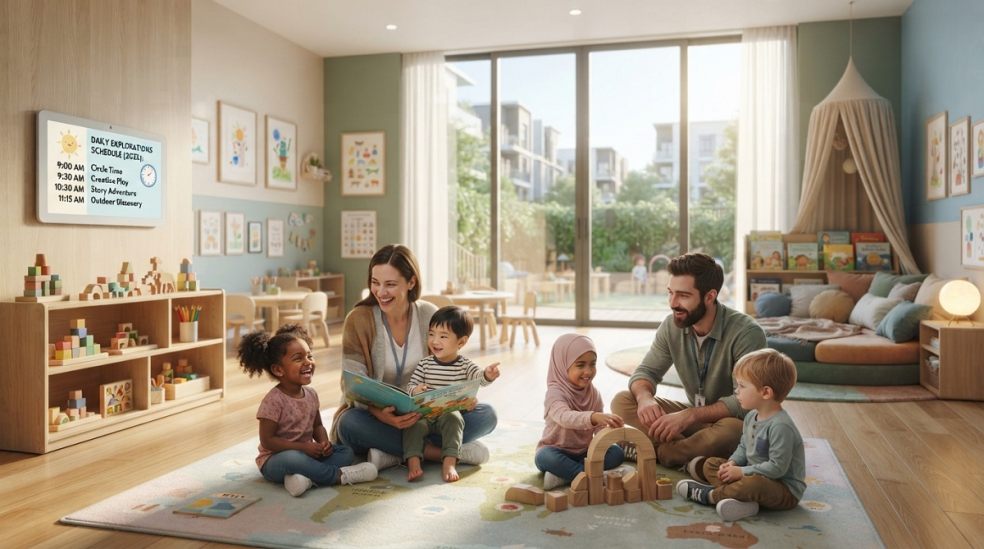
Academic pressure has crept earlier into childhood, and daycares are responding in different ways. The best ones strike a balance: structured activities that build early literacy and number sense, paired with long blocks of unstructured play. Play isn't filler time. It's how children develop problem-solving skills, language, and social negotiation.
Ask to see a sample daily schedule. If every minute is scripted with worksheets or flashcards, that's often a red flag for young children. If the day includes blocks, sensory bins, outdoor time, and open-ended art alongside some structured lessons, that's a healthier mix.
6. Flexible Scheduling and Honest Pricing
Work schedules have become less predictable, and daycares that once required rigid five-day, full-time enrollment are adjusting. Look for centers offering part-time slots, drop-in care, or hybrid scheduling options that match the reality of remote and hybrid work arrangements.
Pricing transparency matters just as much. A trustworthy center lists tuition, registration fees, and late pickup charges clearly upfront rather than surprising parents with hidden costs three months in. Parents searching for an Apple Valley daycare should specifically ask for a written fee schedule before enrollment, since local rates can vary significantly between centers offering similar services.
7. Outdoor Space and Nature-Based Learning
Access to a well-maintained outdoor area has become a bigger differentiator than it used to be. Daily outdoor time supports physical development, reduces behavioral issues indoors, and gives children exposure to weather, insects, and plants that indoor environments simply can't replicate.
Look for centers with shaded play areas, age-appropriate equipment, and a policy of going outside daily except in extreme weather. Some programs have started incorporating small garden beds or nature walks into weekly routines, which research increasingly links to better focus and lower stress in young children.
Making the Final Decision
No single feature guarantees a good fit, since children respond differently to environments, staff personalities, and daily rhythms. The strongest approach is visiting during active hours, watching how staff interact with children who are upset or bored, and asking pointed questions about ratios, turnover, and safety systems rather than accepting general reassurances.
A daycare that checks most of these seven boxes is likely to provide a stable, safe, and genuinely enriching environment. The goal isn't finding perfection but finding a place where the daily reality matches what's promised on the tour.