







Smart Choices for a More Sustainable Household and Drive
Household energy use and everyday travel both shape your environmental impact, but practical changes can also reduce monthly costs. The most effective choices tend to be those that fit your home, budget, and routine, from adjusting the heating schedule to combining several errands into one drive.
There’s no need to replace everything at once. Start with wasteful habits and ageing equipment, then plan larger upgrades when they make financial sense.
Reducing Your Home's Carbon Footprint
Heating accounts for a large share of household energy use, so begin by checking where warmth escapes. Draught-proofing doors, sealing gaps around windows and insulating an accessible loft can make rooms more comfortable without major building work. Keep radiators clear of furniture and use thermostatic controls to avoid heating empty rooms.
Small temperature changes matter too. Try lowering the thermostat by one degree and see how the house feels over a week. A programmable or smart thermostat can reduce unnecessary heating while you’re asleep or away, although its value depends on using schedules that reflect your actual routine.
Next, look at electricity use. Replace failed bulbs with LEDs, wash clothes at 30°C when suitable, and run full dishwasher or washing machine loads. Appliances left on standby use less power than they once did, but switching off devices that sit unused for days still makes sense. The Center for Biological Diversity’s sustainable living guidance also covers food, consumption and waste, which are easy to overlook when focusing on energy.
If you’re considering a different source of supplementary warmth, read this guide to sustainable home heating. Check ventilation needs, running costs and suitability for your space before buying any heating appliance.
Eco-Friendly Driving Habits
A smoother driving style can cut fuel or electricity use without adding much time to a trip. Accelerate gently, anticipate changing traffic, and leave enough space to slow gradually. High speeds increase energy consumption, while repeated harsh acceleration wastes power and places extra strain on tyres and brakes.
Tyre pressure also affects efficiency. Check it at least monthly and before a long trip, using the pressure listed in the vehicle handbook or inside the driver’s door frame. An underinflated tyre creates more rolling resistance and may wear unevenly. Remove an empty roof box when you don’t need it, as the added drag can raise consumption on faster roads.
Plan errands together where practical. One circular trip to the supermarket, parcel collection point and recycling centre will usually use less energy than three separate outings. For very short distances, walking or cycling may be simpler once parking time is included. The World Resources Institute identifies several high-impact climate actions, including changes to transport choices and household energy.
Changes to your annual mileage or vehicle are also a useful prompt to review running costs. When checking cover options, Swinton car insurance provides information for UK drivers about different policy levels and optional extras. Give accurate mileage and usage details, and compare the cover itself alongside the price.
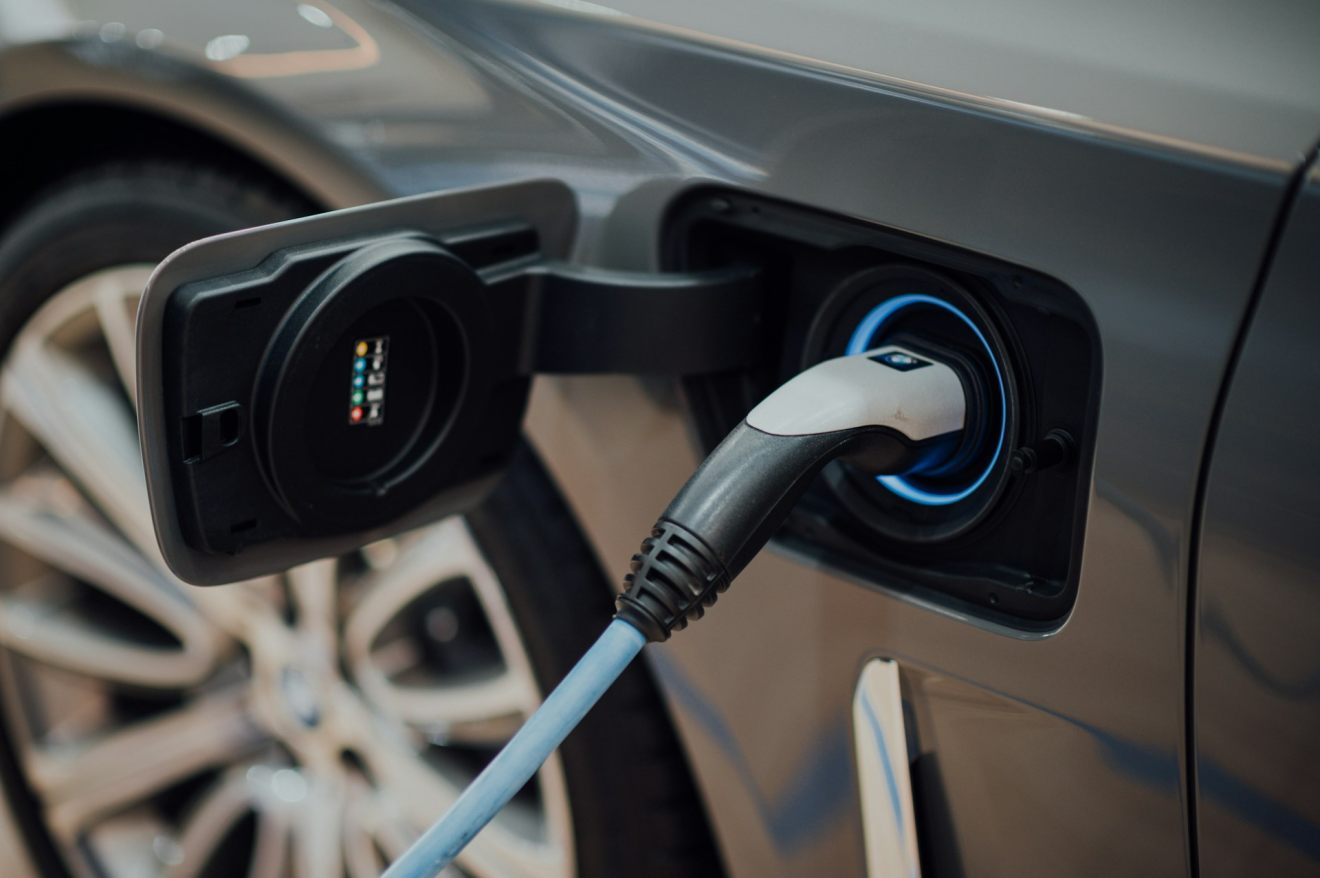
Electric Vehicles: A New Era
Electric vehicles can reduce exhaust emissions at the point of use and are often cheaper to power per mile when charged at home. Their wider environmental effect depends on electricity generation, battery production and the type of vehicle being replaced, so the best choice remains one matched to your genuine needs.
Before buying, record your normal mileage for several weeks. A driver covering 25 miles on most weekdays has different requirements from someone who regularly travels hundreds of miles at short notice. Check the vehicle’s official range, then allow for cold weather, motorway speeds, heating and battery ageing. Real-world range can be lower than the headline figure.
Home charging is often the most convenient option for people with off-street parking. Ask a qualified installer to assess the property’s electrical supply and provide a clear quote. If home charging isn’t possible, map reliable public chargers near work, shops and routes you frequently use. Look at connector compatibility, charging speed and payment arrangements.
A smaller electric car generally needs fewer materials and less energy than a large model. Buying used can also reduce the upfront cost, though you should ask for battery health information and inspect the service record. If your current car remains dependable and efficient, keeping it for longer may sometimes be the sensible environmental and financial choice. Replacement should solve a real transport need, not follow a trend.
Insuring Your Green Journey
Changing how you travel can affect your insurance, particularly if you buy another vehicle, install a home charger or reduce your annual mileage. Tell your insurer about relevant changes and check what documentation is required. A lower mileage does not always mean a cheaper premium, as insurers consider multiple factors.
EV owners should check how their policy covers charging cables, batteries and recovery after running out of charge. If the battery is leased, make sure this is recorded correctly.
Compare excesses as well as premiums. Check cover limits for windscreens, personal belongings and replacement vehicles, and focus on features relevant to your needs.
Keep servicing, repair and charging equipment records together, preferably with digital copies. At renewal, check your vehicle value, occupation, address and vehicle use are still accurate.
Suitable insurance can support a practical transport plan by helping you budget for ownership and avoid unexpected exclusions.
Planning for a Greener Future
A sustainable household plan works best when it follows the natural replacement cycle of your belongings. If a boiler, fridge or car still works well, maintain it properly and research its eventual replacement before failure forces a rushed decision. This gives you time to compare energy ratings, repairability, purchase prices and running costs.
Create a simple list for the next one, three and five years. The first year might include draught-proofing, lower-temperature laundry and fewer short car trips. A three-year plan could cover loft insulation, more efficient appliances or secure cycle storage. Larger changes such as solar panels, a heat pump or a different vehicle may belong in the five-year column, depending on the property and budget.
Measure progress using figures you already receive. Compare energy use in kilowatt-hours instead of looking only at bills, since changing tariffs can hide reductions in consumption. Track fuel or charging costs per mile and note annual mileage. Three months of records should reveal whether a change has had a meaningful effect.
Budget for maintenance alongside upgrades. A serviced heating system, correctly inflated tyres and clean appliance filters help existing equipment work efficiently. Good Energy’s eco-friendly living guide offers further ideas that can be added gradually without turning daily life upside down.
Set a date to review the plan every six months. That review can account for a house move, a new commute, or changing energy prices, keeping your targets connected to real life. A useful plan should remain flexible enough to survive those changes while still moving household energy use and travel costs in the right direction.