






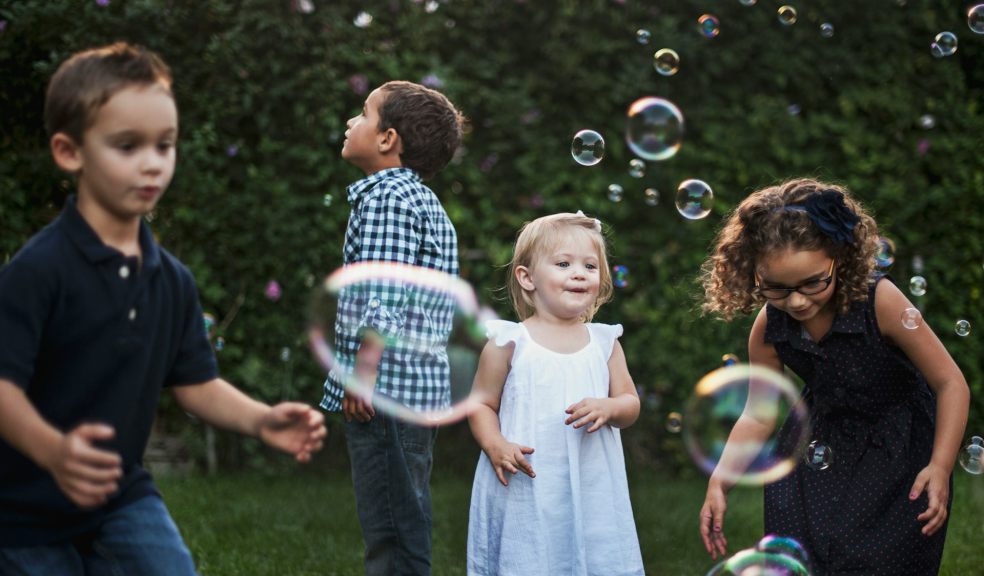
Boost Family Well-being with Outdoor Play
Outdoor play gives children space to move, explore and reset after time spent indoors. It can support better moods, stronger family connections and healthier daily routines without requiring expensive equipment or elaborate trips. A nearby green space, a back garden or even a short walk around the neighbourhood can offer plenty of opportunities. The key is to make outdoor time easy, inviting and flexible enough to fit family life. Considering the many socio-environmental barriers families face, it's crucial to design outdoor spaces that encourage spontaneous play and exploration, rather than adding to their daily stress.
The Science of Outdoor Happiness
Fresh air and natural light can make a noticeable difference to how children feel. Daylight helps regulate the body clock, which supports healthy sleep patterns, while active play gives children a physical outlet for energy. Running, balancing, climbing and jumping also develop strength and coordination in ways that often feel more enjoyable than formal exercise.
The benefits of outdoor play extend into children’s social and emotional development. An outdoor setting creates room for imaginative games, shared problem-solving and manageable challenges. A child working out how to cross a muddy patch or build a stable den is practising judgement and persistence as part of the fun.
Open spaces can also reduce some of the pressures that arise indoors. There’s room to speak loudly, move freely and change activities without constantly being told to settle down. For parents, joining in can offer a welcome break from chores and screens.
You don’t need to spend an entire afternoon outside to see the value. Twenty minutes after school may help a child release pent-up energy before dinner. At weekends, a longer visit to a park or woodland can give the whole family time to reconnect without a tightly managed schedule.
Creating Engaging Outdoor Spaces
A useful outdoor play space gives children choices. In a garden, balcony or shared courtyard, start with a few adaptable materials such as chalk, buckets, cardboard boxes and a container for collecting leaves or stones. These simple items can become props for dozens of games, from pavement art to pretend cafés.
Try dividing the available space into loose activity zones. One corner could hold pots for growing herbs, while another has room for water play or a small obstacle course. You can change these areas as children’s interests develop. A toddler may enjoy filling containers with soil, while an older child might want to measure plant growth or design a trail for a toy vehicle.
Schools often consider how outdoor learning environments influence movement, social interaction and concentration. Families can apply the same principle at home by keeping frequently used items visible and easy to reach. If children have to wait while an adult searches through a cupboard, their interest may disappear.
Storage matters too. A lidded outdoor box keeps basic supplies together, while a mat near the door provides a clear place for wet footwear. Keep waterproof coats within easy reach so a passing shower doesn’t bring play to an abrupt end. The easier it is to get outside and tidy up afterwards, the more often the space will be used.
Embracing All Weathers for Play
Rain, wind and cooler temperatures can add variety to outdoor play when children have suitable clothing and a safe place to explore. Puddles become material for experiments, damp soil reveals tracks and windy days are ideal for watching clouds or testing homemade streamers.
Dress children in layers so they can adjust as they warm up. A breathable base layer, a warm middle layer and waterproof outer clothing will suit many changeable days. Well-fitting boots with good grip help on wet paths, while spare socks can rescue an outing after an unexpectedly deep puddle. In warm weather, seek shade during the hottest part of the day and remember hats, water and sun protection.
Let the conditions shape the activity. After rain, children can compare puddle depths with a stick, look for worms on paths or see which natural materials float. On a breezy day, they might tie strips of old fabric to a branch and observe which direction the wind is moving. Frost offers chances to examine ice patterns, listen to crunchy grass and watch how frozen water changes in sunlight.
Some conditions call for extra care. Stay indoors during thunderstorms, extreme heat or strong winds that could bring down branches. Check the ground for slippery surfaces and keep outings shorter if children become cold or uncomfortable. All-weather play should feel adventurous and manageable, never like an endurance test.

Simple Nature Activities for Kids
Children often engage more deeply with nature when they have a small purpose. Instead of asking them to walk for an unspecified length of time, suggest finding three different leaf shapes or listening for two distinct bird calls. These prompts focus attention without turning the outing into a lesson.
Research and practice around growing minds outdoors highlight how open-ended play can encourage curiosity, creativity and decision-making. Give children enough time to inspect an interesting tree stump, follow an insect from a respectful distance or work out why one patch of ground is wetter than another.
Easy activities include making bark rubbings with paper and crayons, arranging fallen leaves by colour or drawing a map of a familiar park. A nature colour hunt works well with younger children: name a colour and see how many matching natural objects they can spot. Leave plants, nests and living creatures undisturbed and collect only plentiful fallen materials where local rules allow it.
For a home-based project, place a shallow dish outside to measure rainfall, then check it at the same time each day. Older children can record the results in a simple chart. Younger ones may prefer building tiny shelters from twigs and leaves for imaginary woodland characters.
If you need more seasonal inspiration, these summer outdoor activities offer family-friendly ideas that can be adapted to different ages and spaces.
Making Outdoor Habits Stick
Regular outdoor time works best when it has a predictable place in the family routine. Link it to something that already happens each day, such as going outside for 20 minutes after the school run or taking a short walk before the evening meal. This removes the need to negotiate a new plan every time.
Keep the initial goal realistic. A daily two-hour outing may collapse as soon as work runs late or the weather changes. Three short weekday sessions and one longer weekend activity are easier for many families to maintain. Marking outdoor days on a calendar can help younger children see the pattern and look forward to what’s coming.
Give children some control over the plan. Offer two genuine options, such as visiting the playground or taking chalk outside. Older children could create a jar of activity slips and choose one when ideas run low. Their suggestions may be surprisingly simple, from kicking through fallen leaves to taking a snack into the garden.
Parents can protect the habit by preparing for common delays. Keep outdoor clothing together, refill the water bottle after each outing and return play materials to the same box. On busy days, lower the bar without abandoning the routine. Ten minutes of cloud watching from the doorstep still counts.
Allow unstructured time as well. Children don’t always need an organised activity, and boredom can lead to inventive games once they’ve had a few quiet minutes to look around. Follow their interest when possible, even if it means spending the whole outing examining one puddle.
Over time, familiar outdoor routines often become the moments children request themselves. A regular after-dinner walk, a Saturday visit to the park or a few minutes tending herbs can become a dependable family ritual, complete with muddy knees, changing seasonal details and plenty to talk about on the way home.