






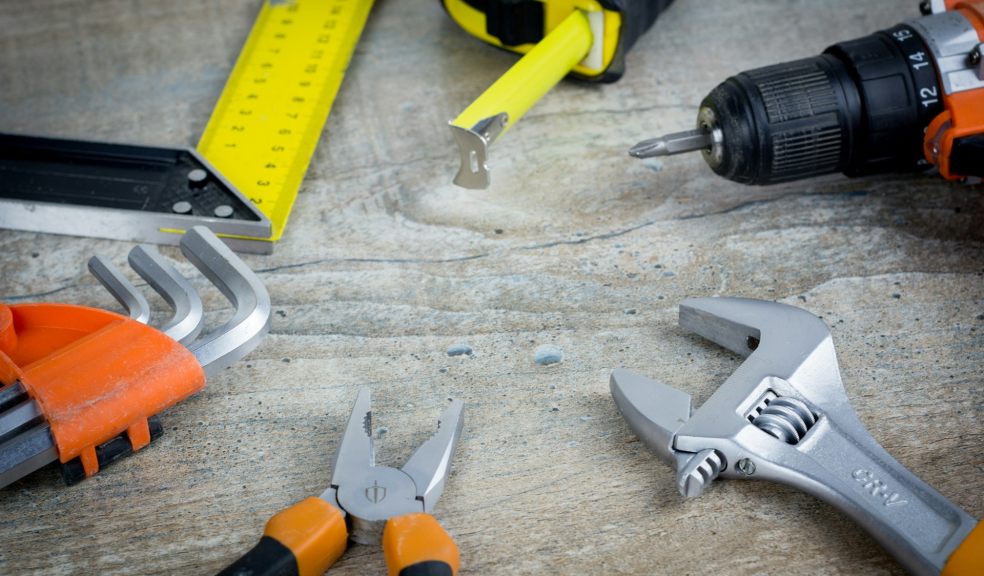
Why the Repair Economy is Quietly Becoming One of the Biggest Consumer Trends of 2026
A decade ago, when a household appliance broke or a car started making an unfamiliar noise, the default move was often to replace it. Buying new felt easier than fixing old. That instinct is fading fast.
Across the country, a growing number of consumers are choosing to repair instead of replace, and the shift is showing up everywhere from smartphone batteries to kitchen appliances to car engines. It is not a fringe movement anymore. It is becoming one of the defining consumer behaviors of 2026.
A Cultural Shift Driven by Cost and Control
The reasons behind this change are practical, not sentimental. Inflation has made new purchases sting more than they used to, and many consumers have simply grown tired of planned obsolescence, the design philosophy that quietly nudges people toward upgrading long before something is actually worn out.
Public sentiment backs this up in a big way. According to The Repair Association, 84% of Americans support right to repair laws, a number that reflects just how mainstream the idea has become. What used to be a niche concern for hobbyists and tinkerers is now a bipartisan talking point, with lawmakers on both sides of the aisle folding it into broader conversations about affordability.
That political momentum is not just noise either. The NFIB, the largest small business lobby in the country, reported that 89% of its members support right to repair legislation, calling it a top priority heading into 2026. Legal scholars have pointed to a deeper structural reason for this, tracing it back to how consumer products are designed and sold in the first place.
As one law professor put it, the move away from purely mechanical goods toward software dependent products has quietly reshaped what ownership even means, often locking buyers into paying manufacturers for repairs they could otherwise handle themselves or take elsewhere. That dynamic has pushed consumers to look for workarounds, and increasingly, they are finding them.
From Phones to Farm Equipment, and Now Cars
The repair economy did not start with automobiles. It started with smartphones and laptops, products that were notoriously difficult to open up without specialized tools or manufacturer approval. Frustration with that closed system helped spark early legislative pushes.
From there, the movement spread outward into farm equipment, medical devices, and household appliances, categories where consumers had grown accustomed to feeling powerless once something broke. Public awareness reached a tipping point a few years back when people began asking publicly why certain machines, like fast food soft serve equipment, always seemed to be broken, largely because of software locks that prevented independent technicians from making simple fixes.
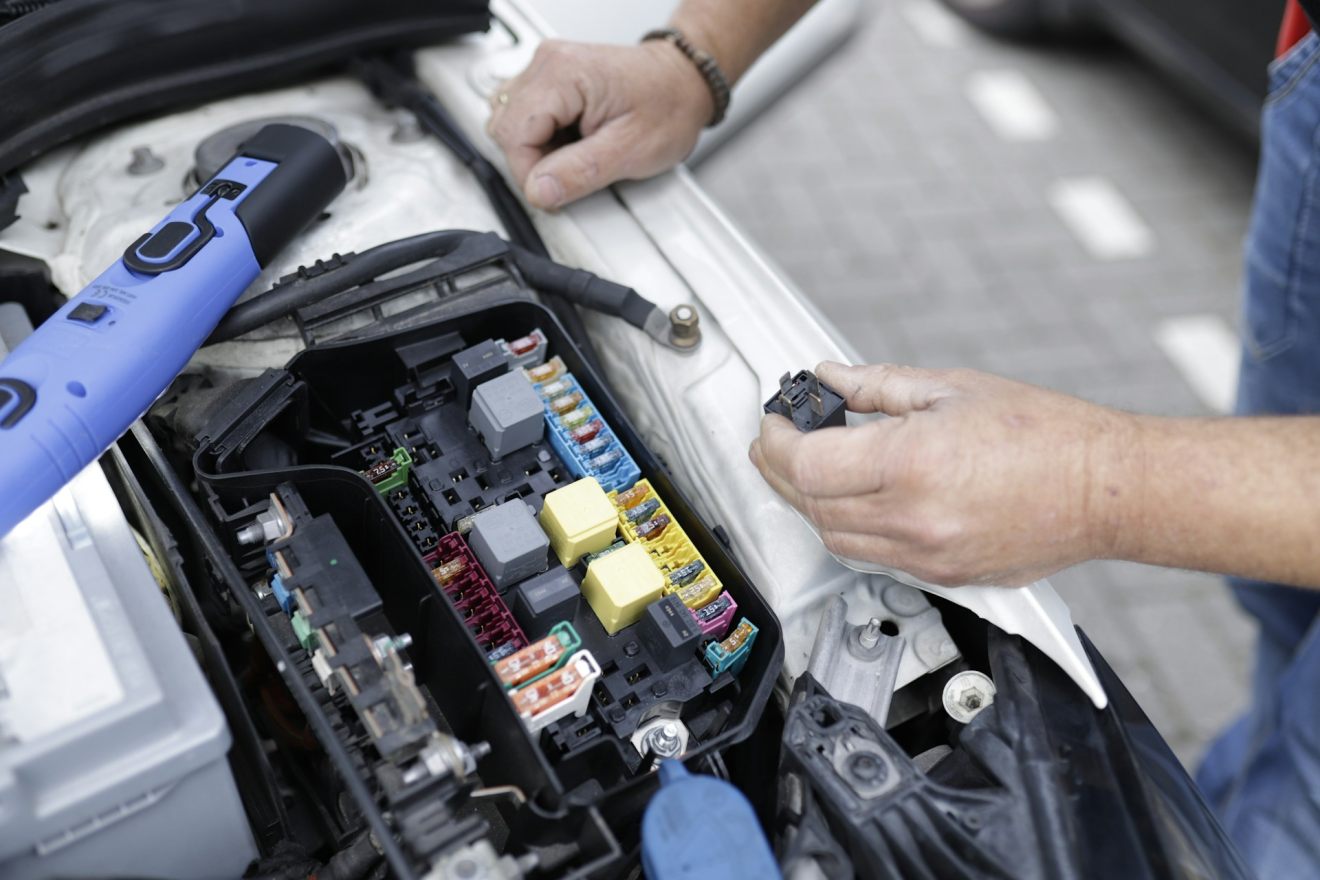
That same frustration has now firmly reached the automotive world. Car owners, many of whom grew up watching a parent or grandparent fix their own vehicle in the driveway, are rediscovering that instinct, aided by a flood of online tutorials, forums, and communities built around DIY repair.
Engines are a particularly telling example. Replacing an entire engine used to mean either an expensive dealership bill or a trip to a scrapyard with no guarantee of quality. Now, platforms specializing in used and reconditioned parts have made it far easier to source what is needed without paying new part prices. A resource like the Ovoko.fr used car engine catalog illustrates this shift well, giving everyday drivers and home mechanics a way to browse verified used engines from a wide range of makes and models, something that simply was not practical or accessible for most people a decade ago.
That kind of access matters, because it lowers the barrier to entry for repair in a category that once felt exclusively professional. It is not just about saving money, though that is a major factor. It is about giving people back a sense of agency over things they own.
The Numbers Behind the Trend
The scale of this shift is hard to ignore. In just the first few weeks of this year, more than 33 right to repair bills were introduced across 13 states, according to advocacy trackers monitoring the legislative landscape. Momentum has been building specifically around consumer electronics, agricultural machinery, wheelchairs, and vehicles, categories where independent repair has historically been the hardest to access.
Executive director Gay Gordon-Byrne, who has spent years advocating for these changes, has noted that the pushback from large manufacturers has been intense, describing well over a decade of heavy lobbying against reforms that would make repair easier for ordinary consumers. That resistance has not stopped progress, but it does explain why change has come slowly, state by state, rather than all at once.
Even so, the direction is clear. What began as a scattered, grassroots frustration has turned into an organized, data backed movement with real legislative teeth.
Why This Trend Has Staying Power
Unlike a lot of consumer fads that fade after a season or two, the repair economy is being propped up by something more durable, which is basic economics. When new products or replacement parts are expensive, and used or refurbished alternatives are reliable and easy to find, the choice becomes obvious for a lot of households.
This is especially true for big ticket items like vehicles, where a full replacement can cost tens of thousands of dollars but a targeted repair, using a quality used part, can solve the same problem for a fraction of the price. That math is not lost on consumers who are already stretching their budgets in other areas of life.
There is also a generational element worth noting. Younger consumers, who came of age watching climate conversations dominate headlines, tend to view repair as a more sustainable choice, one less tied to nostalgia and more tied to values around waste reduction. Older consumers, meanwhile, often see it as a return to a more practical, self reliant way of handling problems, the kind of mindset that was common before disposability became the norm.
A Trend Worth Watching Closely
None of this means new products are going away, and it does not mean every repair makes financial sense. Some fixes genuinely cost more than replacement, and knowing the difference is part of what makes this trend interesting to watch.
What is clear, though, is that the repair economy is no longer a niche interest confined to enthusiast forums and weekend tinkerers. It has become a mainstream consumer behavior, backed by strong public support, active legislation, and a growing ecosystem of resources that make repair more accessible than it has ever been.
Whether it is a smartphone screen, a farm tractor part, or a car engine, more people are asking the same basic question before they reach for their wallets. Can this be fixed instead of replaced. In 2026, the answer is increasingly yes, and that shift is likely to keep reshaping how consumers think about ownership for years to come.