






The everyday cleaning mistakes ruining your home
Many homeowners may be unknowingly shortening the lifespan of their furniture through everyday cleaning habits, according to an interiors expert.
Patrice Gerber says some of the most common cleaning routines can gradually damage wood, fabrics and natural materials without people realising until the wear becomes obvious.
Gerber, chief executive of KOUBOO Artisan Decor & Furniture, warned that repeated use of the wrong products and techniques can leave furniture looking dull, warped or prematurely aged over time.
“One of the biggest problems is that the damage happens slowly,” he explained. “People often don’t notice anything for months and then suddenly something looks worn out or discoloured.”
Among the most common mistakes is spraying cleaning products directly onto furniture surfaces.
While it is a routine many people follow without thinking, Gerber said direct spraying can allow moisture to seep into wood grain, joints and veneers, eventually leading to warping or cloudy finishes on lacquered furniture.
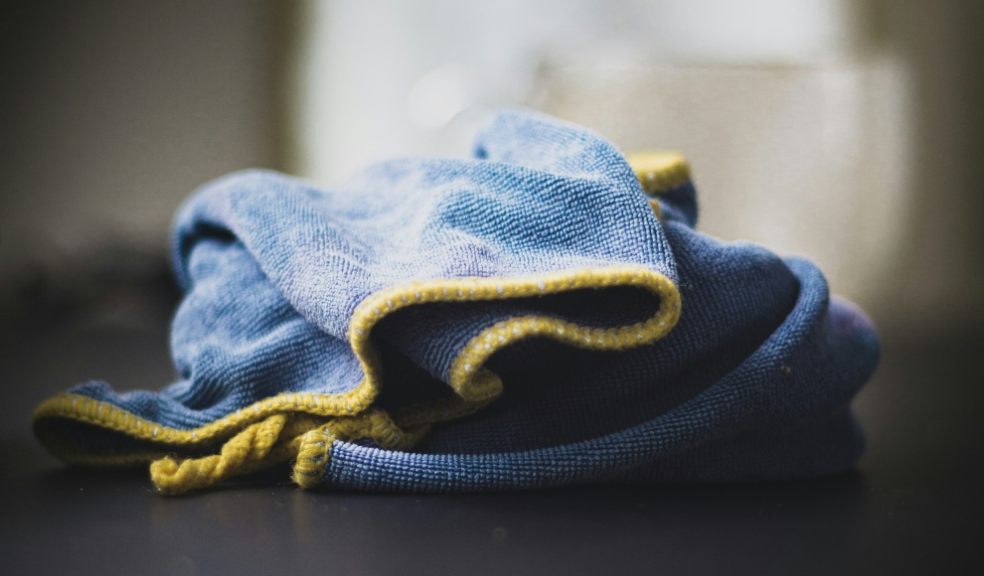
Instead, he recommends spraying products onto a cloth first before wiping surfaces down, particularly on wooden furniture where wiping in the direction of the grain can also help preserve the finish.
The use of all-purpose cleaners on every material around the home was another frequent issue highlighted by the interiors specialist.
Gerber said natural materials such as rattan, jute and seagrass can become dried out and brittle when exposed to alcohol-based cleaning products, while strong detergents on upholstered furniture can leave behind residue that attracts more dust over time.
“Most people don’t really think about what ingredients are in their cleaning products or how they react with certain materials,” he said.
For many natural surfaces, he suggested warm water and a soft cloth are often enough for regular cleaning, with mild soap reserved for tougher stains after first testing on an inconspicuous area.
Over-polishing wooden furniture can also cause long-term problems.
Although regular polishing is often seen as a sign of good furniture care, Gerber warned that silicone-based products in particular can build up over time, creating a yellowed film that dulls the wood and complicates future restoration work.
Solid wood furniture generally only needs waxing a few times a year, he said, with routine dusting best carried out using a dry microfibre cloth.
Another overlooked issue is failing to clean hidden areas of furniture such as chair legs, undersides and joints.
Dust and trapped moisture in these neglected areas can contribute to mould growth and tarnished metal fittings if left unchecked.
Gerber said these areas are not difficult to maintain but are often ignored because they are not immediately visible.
Using a soft brush and lightly damp cloth every couple of months is usually sufficient to prevent long-term damage, he added.