






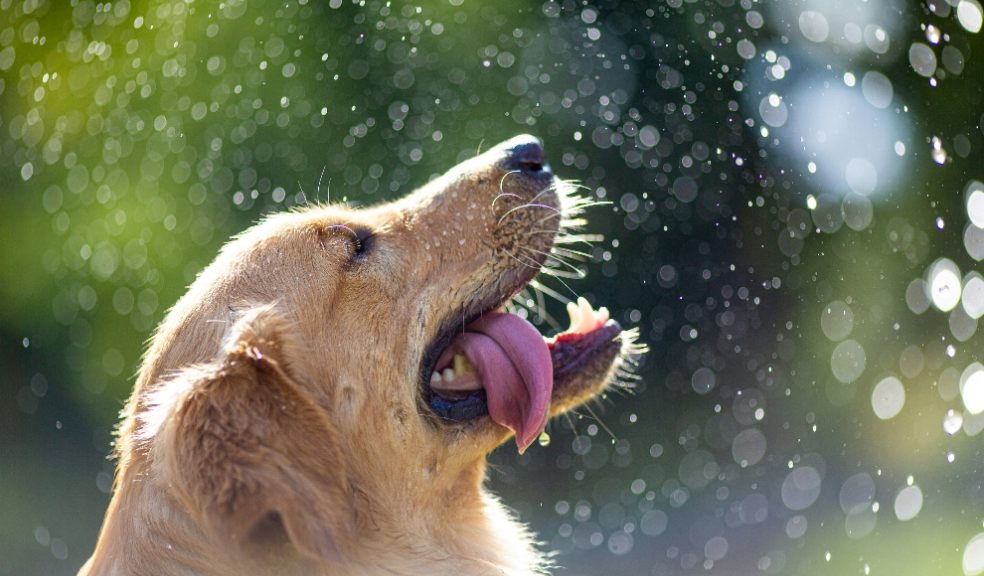
Summer warning for dog owners
As heatwave conditions continue across Britain, many dog owners may be tempted to get outdoors and enjoy the weather with their treasured pets.
But spending more time outdoors on dog walks during warmer weather can come with its own challenges.
Knowing what to look for, and when to seek help, is especially important as we head into summer. According to experts at Tesco Insurance, this can range from spotting an injury, signs your dog may have eaten something toxic, and recognising heatstroke symptoms.
Alex Cross, Chief Customer Officer at Tesco Insurance, said: “Pets are naturally curious and it’s impossible to keep an eye on them all the time. There may be times when your pet gets into trouble and needs help.
“Thankfully, there are a few quick and simple things you can do to help your pet, whether that’s noticing an injury, recognising dog heatstroke, or spotting early warning signs that something’s wrong.
“While identifying a problem is an important first step, owners should always seek professional help from a vet in an emergency situation.”
Below are five common issues related to dogs to look out for, shared by experts at Tesco Insurance to protect the health of the nation’s pets.
1. How do you know if your dog is injured?
Some cuts will be clear to see, and if your dog is bleeding heavily, then it’s critical to seek help from a vet as quickly as possible.
Other wounds may not be visible, hidden underneath fur or located in difficult-to-spot places, and therefore harder to identify. Look for unnatural movements such as limping or if your dog is licking or pawing at their face or body more often than usual.
Try checking your dog over after walks to see if they’ve suffered an injury, and monitor for signs of infection like redness, swelling, or discharge. If an injury is serious or appears to be getting worse, call your vet for advice on what to do next.
2. How to spot symptoms of dog heatstroke
In periods of warm weather, it’s easy for our pets to overheat. If you notice your dog struggling in the heat, start by moving them to a cooler place out of the direct sun.
Common dog heatstroke symptoms include excessive panting, drooling, lethargy, vomiting, bright red gums, and unsteady movement. Older or overweight pets, or those with thick coats or pre-existing respiratory conditions, may be more susceptible to heat.
Offering small sips of water or gently cooling your dog with cool, damp towels can help lower their temperature. Avoid using very cold water, or suddenly immersing your dog, as this can cause shock. If you notice your pet continuing to struggle, call your vet, who will be able to advise you further.
3. Signs your dog might have eaten something toxic
Many dogs will scavenge and eat things they find lying around, either in the house or outside. Always keep dangerous foods, plants, and chemicals out of reach.
In the spring, this can include garden plants such as daffodils, tulips, or certain other bulbs and flowers, which can be toxic to dogs. These may cause everything from an upset tummy to more serious or life-threatening side effects.
Common signs a dog has eaten something toxic can include vomiting, drooling, lethargy, tremors, or unusual or confused behaviour.
If you notice your pet has swallowed something toxic, do not try to make them vomit it up - unless instructed by a veterinary professional. Contact your vet immediately and try to identify what your dog has eaten in case it could be harmful. Take a sample of it with you to the vet if you are able to, and if it is safe to do so.
4. What should you do if your dog collapses
A collapsed animal can be the result of several different problems. If your dog has collapsed and isn’t responding or breathing, call your vet immediately.
While waiting for advice, if the situation makes it possible and won’t present any other obvious dangers to the dog, move them to a cool, quiet place; always keep them calm using a soft, reassuring voice.
5. Signs your dog is choking
In some cases, it will be immediately obvious your dog is choking, and you should seek urgent assistance from a professional.
However, sometimes the symptoms will be less obvious. Look for sudden restlessness, signs of panic, excessive drooling and wheezing, or high-pitched breathing sounds. In serious cases, their gums may appear light blue.
In all choking incidents, the most important thing to do is contact a vet for help.
For more information, visit https://www.tescoinsurance.com/pet-insurance/.