

UK Shoppers Are Discovering New Brands Through Influencers in 2026
Most of us, if we're honest, can name at least one purchase we made recently because we saw it on someone's Instagram, TikTok, or Reels. A skincare brand we'd never heard of. A small jewellery label tucked away in Bristol. A sourdough starter from a baker in Edinburgh. A travel mug that suddenly seemed essential after a creator we follow casually used it during a morning routine.
That used to feel like a guilty admission. Now it's just how shopping works. The traditional path — see an ad, visit the shop, make a decision — has been quietly rewritten over the last five years, and 2026 marks the moment the new path became the default for an entire generation of UK shoppers. Brands are no longer competing for shelf space in your local high street. They're competing for thirty seconds of trust on someone's feed.
Why UK influencers have become the high street's most powerful competitor
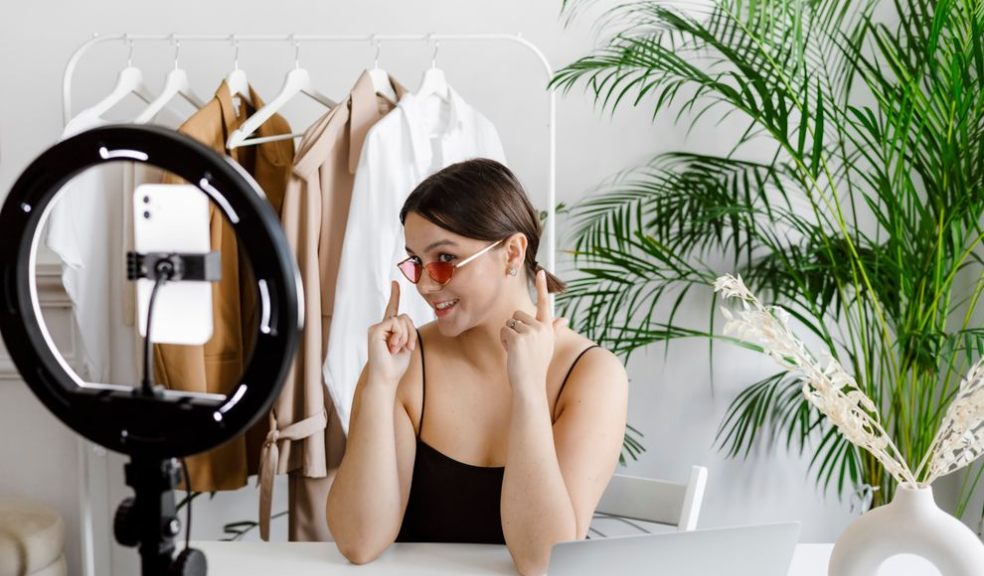
The reason this shift has happened so fast comes down to one word: trust. When a friend recommends a coat, you take it seriously. When a stranger in an advert recommends a coat, you scroll past. The genius of UK influencers — particularly the smaller ones, with audiences of 5,000 to 50,000 followers — is that they sit somewhere in between. They're not strangers, exactly. You've watched them cook breakfast, walk their dog, and complain about the weather. They feel familiar in a way that no glossy ad ever will.
This is why a video of a Manchester creator showing off a knitwear brand from a small studio in Yorkshire can drive more sales in a weekend than a national billboard campaign costing fifty times as much. The recommendation has weight. It's coming from someone whose taste the audience already follows. When that person carries a particular tote bag, mentions a specific tea brand, or wears a particular pair of trainers, the followers don't experience it as marketing — they experience it as a tip from a friend.
For the brands behind the products, this changes everything. They've stopped trying to interrupt people with traditional ads and started trying to belong in the corners of the internet where their customers already spend time.
The categories where this is moving fastest
Not every type of product gets discovered this way at the same rate. Some categories have been completely transformed by creator-led discovery in 2026; others are still catching up.
Beauty and skincare lead the pack by a wide margin. UK creators specialising in honest skincare reviews and product breakdowns have become the gatekeepers of an entire industry. Small British beauty brands that ten years ago would have struggled to get past Boots' buyers are now selling out collections in hours after the right creator posts the right review.
Food and drink is a close second. Independent UK food brands — artisan chocolate, craft beer, specialty teas, organic snacks — increasingly launch with creator-led campaigns rather than supermarket listings. A single feature on a popular UK food blogger's Reel can shift more units than a year of in-store presence.
Fashion, especially smaller independent labels, has built whole brands on the backs of creator partnerships. Designers based outside London now build national followings through the right ten or fifteen creators rather than waiting for retail buyers to discover them.
Home, wellness, and parenting round out the leaderboard. Each of these categories has its own ecosystem of trusted UK voices — and shoppers in these spaces are increasingly resistant to traditional advertising in favour of recommendations that feel personal.
What this means for shoppers
The shift has changed how British consumers shop in some genuinely useful ways:
- More small brands than ever before. Buyers are discovering products they would never have found in shops — often from independent makers who could never afford traditional advertising.
- More honest reviews. The best UK creators have built their audiences specifically by saying when something doesn't work, not just when it does. Their reputations depend on it.
- Faster trend cycles. What's popular on creator feeds today is in shopping baskets next week. The high street is no longer setting the pace — the algorithm is.
But there are downsides too. The proliferation of sponsored content means shoppers have to read more carefully than ever to spot what's a paid partnership versus an honest recommendation. The best creators are transparent about both. The less scrupulous ones blur the line — and that's a real challenge for buyers who increasingly rely on these recommendations to make decisions.
Where it goes from here
The picture for 2026 and beyond is straightforward. Creator-led discovery isn't a phase — it's the new shopping infrastructure. The brands that understand this will keep growing. The high street brands that ignore it, expecting old-style advertising to keep working as it did a decade ago, will continue to lose ground.
For the shopper, the practical lesson is simple: the next dozen products you'll genuinely love and tell your friends about are almost certainly going to come from someone's feed before they come from a shop window. The smart move is to start paying attention to which creators you trust — because in 2026, your taste is increasingly shaped by the small group of people you've chosen to follow.