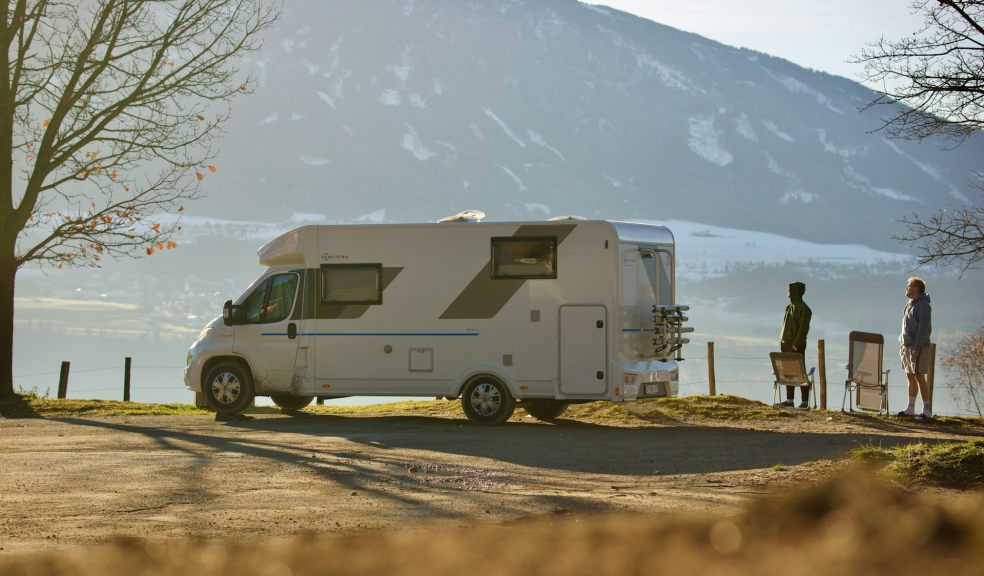
Unlocking Freedom: The Allure of Caravan Ownership
Caravan ownership gives you the freedom to take more frequent breaks without rebuilding each holiday from scratch. Your accommodation, cooking kit and familiar comforts travel with you, leaving more time to enjoy the destination.
For couples, families and solo travellers, a touring caravan can support everything from spontaneous weekends to longer summer stays. Ownership still requires budgeting, storage and regular upkeep, but it also creates a flexible form of travel that can adapt as your interests and circumstances change.
Escape the Everyday
A caravan makes short breaks far easier to arrange. Once it’s packed with the basics, you can choose a site, book a pitch and leave without comparing hotels or trying to fit everyone into one room, embracing an everyday escape. Even a two-night stay can feel worthwhile when your accommodation is ready to use on arrival.
That flexibility helps owners explore places close to home as well as famous holiday regions. A coastal site an hour away might be perfect for a sunny weekend, while a rural park can offer walking routes, quiet evenings and room for children to play. Travelling outside the busiest school holiday periods may also provide better pitch availability and lower site fees.
Keep a simple departure checklist stored inside the caravan. Include bedding, food, charging cables, toiletries and any site booking details. Restock everyday supplies when you return home, so the caravan is almost ready for its next outing.
It also helps to create a shortlist of sites within two hours of home. When the forecast looks promising, you’ll have realistic options ready instead of spending half the weekend deciding where to go. This is where ownership begins to feel genuinely liberating: free time can become a proper break with relatively little notice.
Your Home on Wheels
The strongest appeal of a touring caravan is familiarity. You sleep in your own bedding, know where everything is stored and can set up the space to suit your household. Families can keep games, waterproof clothing and beach equipment on board, while couples may prefer extra kitchen storage or a comfortable seating area for relaxed evenings.
Layout deserves careful thought before you buy a caravan. A specialist dealer can provide a more structured alternative to a private sale, with services such as history checks, part exchange, delivery and warranty reassurance. Spend time inside several layouts and imagine ordinary moments, including preparing breakfast, changing after a wet walk and settling everyone down for the night.
Fixed beds save time at the end of the day, although they occupy space that could otherwise become seating. Convertible lounges may suit occasional trips, while families often value fixed bunks and a defined dining area. Check cupboard access with beds assembled, as a layout can appear practical in daytime mode but feel awkward once prepared for sleeping.
Bring approximate measurements for bulky items such as a travel cot or pet bed. Ten minutes spent testing the living space can reveal far more than a brochure photograph.
Adventure Awaits
Ownership opens up a broad map of possible breaks. One month could bring a woodland stay with cycling trails, followed by a coastal trip during the next school holiday. Touring also allows you to split a longer break between several areas, spending a few nights at each location instead of committing to one base.
Start with manageable distances while you learn your preferred touring routine. A nearby site gives you time to practise pitching, connect services and organise the interior without arriving late or tired. Once those tasks feel familiar, longer routes become much easier to plan.
Families looking for their first destination can explore these family-friendly caravan parks, which combine practical facilities with activities that keep different age groups occupied. Check the site’s arrival times, pitch surface and on-site facilities before booking. Details such as a play area within sight of the pitch or a shop selling basic groceries can noticeably improve a short stay.
Leave some space in the itinerary too. A market discovered on arrival or a walking trail recommended by the site team may become the highlight of the trip. The caravan provides a reliable base while each destination offers something new beyond its door.
Stress-Free
A relaxed caravan holiday begins with sensible preparation. Keep frequently used equipment in labelled containers and give every item a regular storage place. This makes setting up quicker and helps prevent small belongings from moving during travel.
Review the official towing rules before your first trip and whenever your vehicle or caravan changes. Check permitted weights, driving licence requirements and any equipment rules that apply to your combination. Your tow vehicle’s handbook will also state its limits, while the caravan documents provide the relevant weight figures.
Tyre condition, lights and couplings need attention before departure. The National Caravan Council safety guidance offers useful information for owners, including recognised servicing standards. Arrange professional servicing at the recommended intervals and deal with signs of damp or damaged seals promptly, since early repairs can stop a minor issue becoming expensive.
Plan rest stops on longer drives and avoid an ambitious arrival schedule. Reaching a site during daylight gives you better visibility for positioning the caravan, locating connection points and checking the pitch. A calm first evening often comes down to leaving home early enough and keeping the arrival meal simple.
Making the Right Choice
Set a realistic budget that covers more than the purchase price. Storage, insurance, servicing, site fees and equipment all contribute to the annual cost. You may also need a suitable tow vehicle, security devices or accessories such as a water container and mains connection cable.
Think honestly about how you’ll travel. A compact two-berth caravan may be easier to store and manoeuvre for a couple taking frequent short breaks. A family planning two long holidays each year could place more value on separate sleeping areas, a larger fridge and generous storage. Buying extra space that you rarely use can increase weight and running costs, so match the layout to a typical trip.
Before viewing models, write down three essentials and three preferences. Essentials might include a fixed bed, a specific maximum weight or enough berths for the whole family. Preferences could cover upholstery colour, an end washroom or extra worktop space. This keeps attractive cosmetic details from distracting you from practical needs.
Ask to see the caravan’s documentation and service history, then inspect the interior in good natural light. Look around windows, roof openings and corners for staining or unusual smells. Independent guidance on caravan insurance can also help you compare cover for storage, accidental damage and travel before committing to a policy.
Life on the Open Road
The first few trips will teach you how you actually use the caravan. You may discover that a large collection of kitchen equipment stays untouched, while extra hooks and a small outdoor mat prove invaluable. Make a note of each useful improvement after returning home, then adjust the contents before the next break.
Good site habits help every stay run smoothly. Follow arrival instructions, keep noise low in the evening and leave shared facilities as you find them. If you’re unsure how to position the caravan or connect something, ask the site team. Most would prefer to help early than deal with a preventable problem later.
Ownership can also create traditions that feel personal to your household. You might return to the same coastal pitch each spring, spend autumn weekends near walking trails or meet relatives at a central site each summer. Familiar routines reduce effort, yet the view outside can change every time.
The practical work remains part of the experience, from cleaning the interior to checking equipment before winter storage. Those tasks protect your investment and keep departures straightforward. When the beds are made, the cupboards are stocked and a favourite site has a free pitch, the next escape may be only a booking and a short drive away.