





Home Style: Integrating Warmth into Your Decor
A warm, welcoming room depends on more than turning up the heating. Colour, texture, lighting and furniture placement all influence how cosy a space feels, while a well-chosen heat source can give the room a strong visual focus. The key is to treat warmth as part of the overall design, considering practical details alongside the mood you want to create.
Before buying new furniture or repainting the walls, look at how the room is currently used. Notice where people naturally sit, which routes need to remain clear and how daylight moves through the space. These observations will help you make decorative choices that feel comfortable and work well every day.
Choosing a Centrepiece for Your Room
Start with the room’s largest permanent or semi-permanent feature. In a living room, that might be a fireplace, stove, large window or substantial piece of furniture. Establishing this centrepiece gives you a reference point for arranging seating, lighting and artwork, so the room feels connected instead of being a collection of separate items.
Scale matters here. A small feature can disappear against a broad wall, while an oversized one may make a compact room feel crowded. Use masking tape to mark the approximate dimensions on the wall or floor before committing. Leave the outline in place for a day and view it from different seats to judge how it will affect the space.
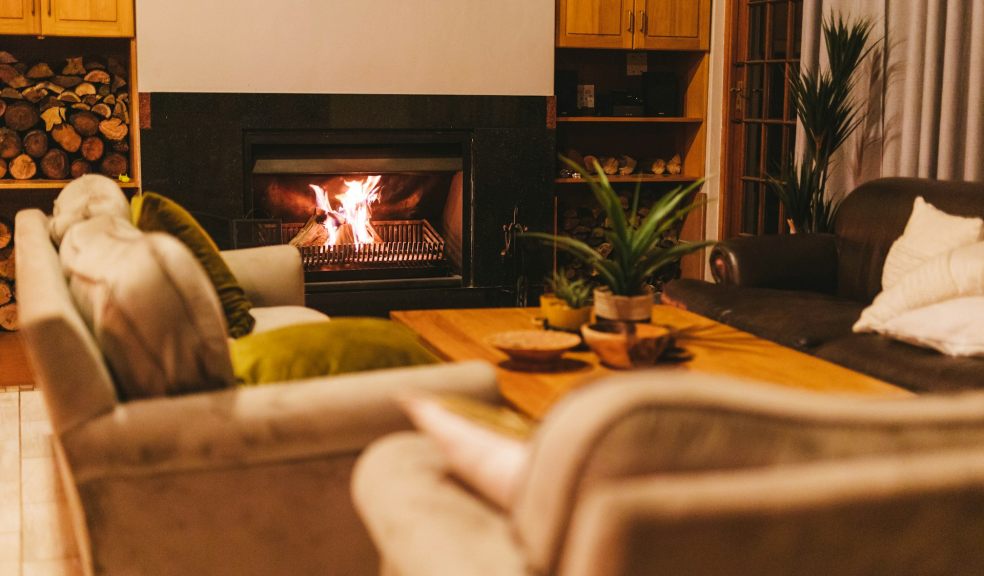
If you’re considering log burning stoves, compare heat output, overall dimensions, flue requirements and the visual weight of each model. Installation should be assessed and completed by a suitably qualified professional, with all relevant building requirements and manufacturer guidance followed.
Once the main feature is chosen, give it enough space to breathe. A simple arrangement often works best: two chairs angled towards the focal point, a sofa positioned across from it and a coffee table that connects the seating. Avoid pushing every item against a wall, particularly in a larger room, as this can leave the centre feeling empty and detached.
Harmonising with Existing Decor
Take your colour cues from finishes that will remain in place, such as flooring, curtains and large upholstered pieces. Pick out two or three recurring shades and carry them through the room in smaller quantities. A warm timber floor, for example, may pair well with clay-coloured cushions, cream walls and accents of muted green.
You don’t need an exact match between every surface. Rooms usually feel more natural when colours share a similar undertone. Cream, rust and olive all have an earthy warmth, while blue-grey, bright white and pale silver create a cooler effect. Place samples next to your existing furnishings and check them in morning light, afternoon sun and lamplight before making a decision.
Materials also help link a heat source to the wider decor. A slate hearth can be echoed through dark plant pots or a charcoal side table, while brass details may reappear in a lamp base and picture frames. Keep repetition restrained so it feels intentional.
Pair clean-lined furniture with one or two traditional elements, then use a consistent colour palette to bring everything together. An inherited wooden cabinet can sit comfortably beside a modern sofa when both relate to the same warm neutral tones.
Creating a Cosy Nook
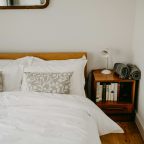
A cosy nook needs clear purpose. It might be somewhere to read, enjoy a morning coffee or sit quietly at the end of the day. Choose a spot away from busy walkways, ideally beside a window or within comfortable reach of the room’s warmth without blocking access to it.
A supportive chair forms the base of the arrangement. Add a small table with enough room for a drink and book, then place a floor lamp or adjustable wall light nearby. The bulb should cast a soft, warm-toned light while still providing enough brightness for reading. A shade that directs light downwards will reduce glare across the rest of the room.
Textiles make the nook feel settled. One cushion and a folded throw may be enough, especially where floor area is limited. Natural textures such as wool, brushed cotton and linen add tactile warmth without requiring lots of decorative objects.
In a particularly tight space, choose furniture that earns its place. A side table with a shelf can hold current reading material, while a storage footstool provides comfort and hides spare blankets. You can find more space-conscious inspiration in these small-room cosy hacks, including ways to use lighting and soft furnishings without overwhelming the room.
Accessorising Around Your Heat Source
Accessories should add character while respecting the clearances and safety guidance for your particular heat source. Keep fabrics, baskets, furniture and decorative items outside the distances stated by the manufacturer or installer. Don’t place objects on top of an appliance unless its instructions explicitly allow it.
Focus decorative attention on the surrounding area. A single piece of artwork can establish a strong visual line above a mantel where the installation permits it, while a group of framed prints may suit a broad adjacent wall. Check how heat could affect frames, electronics and other sensitive materials before deciding on their position.
Nearby surfaces provide safer styling opportunities. A console table across the room could hold a ceramic lamp, a bowl and a small plant. If the room includes a dining area, carry the same colours onto the table through linen, crockery or seasonal greenery. These table decor ideas show how a few carefully selected pieces can create interest without filling every available surface.
Aim for varied heights and shapes. A tall vase beside a lower bowl creates a more relaxed composition than several objects of equal size. Odd-numbered groups often look natural, but there’s no need to fill every corner. Leaving visible space around a few favourite pieces gives them greater impact and makes dusting much easier.
Remember that accessories don’t need to stay in place all year. Swap heavy throws and deep-coloured cushion covers for lighter fabrics in spring, then reintroduce richer texture as the weather cools. This small seasonal change refreshes the room without requiring new furniture.
Modern vs. Traditional Aesthetics
A modern scheme typically uses clean lines, limited ornament and a controlled palette. Smooth plaster, pale timber and simple furniture can create a calm setting around a contemporary heat source. To stop the room feeling stark, introduce texture through a woven rug, boucle chair or full-length curtains, keeping the number of colours fairly low.
Traditional interiors tend to embrace deeper colours, detailed joinery and familiar materials such as brick, stone and dark wood. A patterned rug can ground the seating area, while aged brass, ceramics and framed artwork add layers of character. Avoid introducing every period feature at once. Two or three strong details will usually create the desired mood.
Many homes sit happily between the two styles. You might keep original cornicing and timber flooring, then introduce a streamlined sofa and unfussy lighting. Alternatively, a recently built room can gain character from an antique side table, a vintage-style rug and artwork in warm wooden frames. Repeating one material in several places helps the mix feel deliberate.
Practical needs should guide the final choice. Families may prefer washable paint, durable upholstery and rounded furniture edges, while a quieter sitting room can accommodate more delicate textiles. Measure the space between furniture before purchasing anything large, allowing comfortable routes through the room and following all required clearances around the heat source.
The most convincing result will reflect how the room is genuinely used. Once the main furniture is positioned, live with the arrangement for a few days before adding the final accessories. You may discover that a reading lamp needs moving closer to the chair or that one empty section of wall gives the centrepiece exactly the breathing room it needs.