





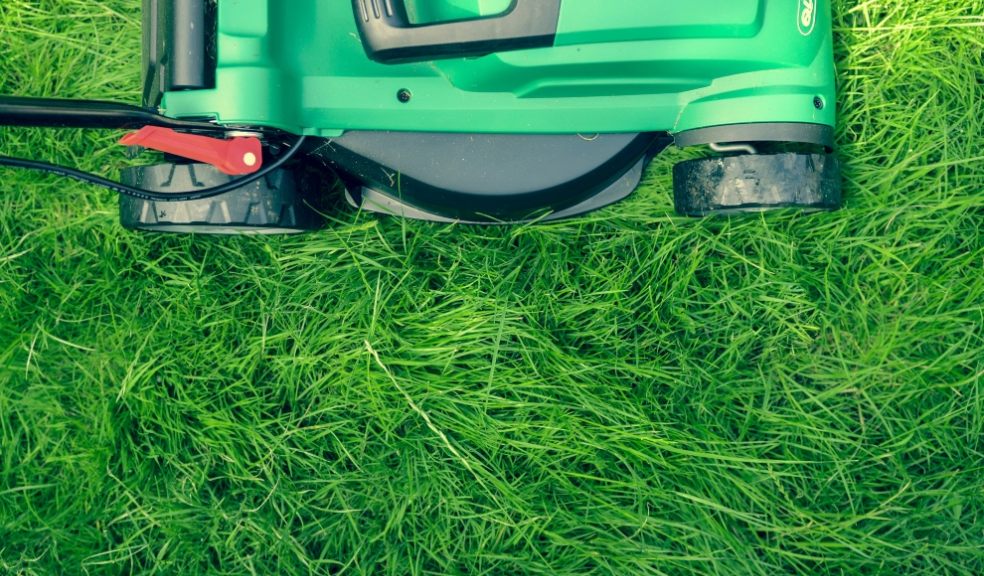
When should you stop mowing your lawn for winter?
Mid-October to November is traditionally the best time to stop mowing, as colder temperatures slow grass growth. However, increasingly mild UK winters mean some lawns can continue growing well into December.
Experts recommend keeping an eye on grass length rather than relying on the calendar. If it continues growing during winter, consider mowing once it exceeds three inches, provided the ground is dry and frost-free.
It's also important never to remove more than a third of the grass height in one cut, as cutting too short can weaken the lawn ahead of winter.
Shorter days mean less sunlight for photosynthesis, making it harder for grass to recover from excessive mowing. Leaving some extra length helps protect it during colder weather.
Simon Akeroyd, Head of Estates and Landscapes at Painshill Park, says autumn lawn maintenance is equally important.
"One of the most effective ways of improving the quality of the lawn in autumn and part of the autumn lawn care maintenance programme, is to aerate it."
Aeration involves creating small holes in the soil to improve drainage and allow air, water and nutrients to reach the roots. This can help reduce moss and encourage healthier growth.
Gardeners should also avoid leaving thick layers of wet grass clippings on their lawns, as these can block sunlight and encourage fungal diseases.
Removing fallen leaves and excessive thatch is another important autumn job.
Simon recommends scarifying lawns with a spring-tine rake to remove dead material that can prevent moisture and air reaching the roots.
"You will be amazed at how much thatch is on the surface of the grass," he says.
Although lawns need less attention during winter, experts advise against cutting grass too short, mowing frozen or waterlogged ground, or neglecting basic maintenance.
A little care now could make all the difference between a patchy lawn and a lush, healthy one when spring arrives.