






Four winter home checks that could save you thousands
From leaking roofs and frozen pipes to faulty boilers and draughty windows, the colder months can expose weaknesses in our homes that might otherwise go unnoticed.
However, experts at online business directory Yell say a few simple preventative measures could save households thousands of pounds.
Here are four essential checks homeowners should carry out this winter.
Check your roof before minor damage becomes a major expense
Searches for ‘roof leak’ have increased by 43% over the past year, with around 6,000 searches recorded in the past month alone, according to figures highlighted by Yell.
Heavy rain, strong winds and snowfall can all take their toll on roofs, particularly those that have not been properly maintained.
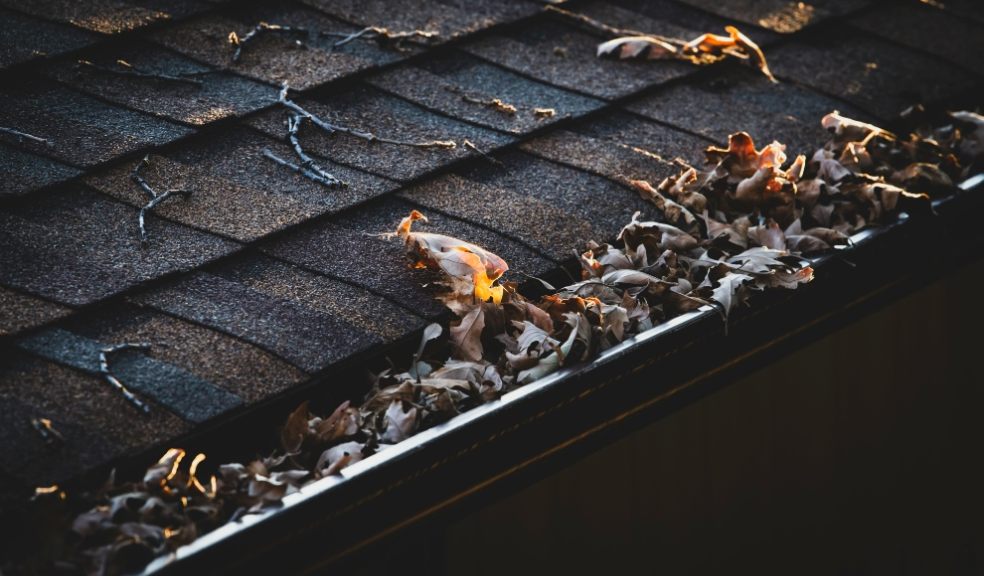
Homeowners should inspect their roofs from a safe vantage point, looking out for:
-
Missing, loose or damaged tiles
-
Blocked gutters
-
Visible holes or signs of deterioration
-
A build-up of leaves and other debris
Missing tiles can allow water to penetrate a property, while blocked gutters can cause water to overflow and damage exterior walls.
Minor roof repairs, such as replacing a handful of tiles, can cost from £100, with an average bill of around £250. However, more extensive repairs could set homeowners back as much as £3,000.
Gutters should ideally be cleared twice a year, in spring and autumn, to prevent blockages.
Anyone concerned about the condition of their roof should seek advice from a qualified roofing professional rather than attempting to climb onto it themselves.
Protect your pipes from freezing
Searches for ‘frozen pipes’ have increased by 127% over the past year, highlighting another common concern among householders.
When water freezes inside pipes, it expands, potentially causing them to crack or burst and resulting in significant water damage.
Insulating exposed pipework, particularly in lofts, garages and other unheated areas, can help reduce the risk.
Those heading away over the festive period should avoid switching their heating off completely, even if they are keen to reduce their energy bills.
Keeping the heating on a low setting or programming it to come on regularly can help protect vulnerable pipework during cold snaps.
It is also worth familiarising yourself with the location of your property's stopcock so you can quickly turn off the water supply in an emergency.
If you suspect a pipe has frozen, seek professional advice and never attempt to thaw it using a naked flame.
Block out draughts and reduce energy bills
Draught-proofing windows and doors is one of the simplest and most affordable ways to improve a home's energy efficiency.
According to figures from the Energy Saving Trust cited by Yell, households could save around £55 a year by tackling unwanted draughts.
Self-adhesive strips around window frames and draught excluders fitted to doors can help prevent warm air from escaping.
Letterboxes, keyholes and gaps around skirting boards are also common sources of heat loss that can easily be overlooked.
Older properties may require more extensive work, but many improvements can be carried out relatively inexpensively.
However, homeowners should take care not to block essential ventilation, including air bricks, extractor fans and trickle vents, as adequate airflow is important in preventing condensation and damp.
Make sure your heating system is winter-ready
Few household emergencies are more inconvenient than a boiler breaking down in the middle of a cold spell.
There are around 73,000 monthly UK searches for ‘boiler service’, with interest increasing by 20% in the past month, according to Yell.
While boilers should be serviced annually by a qualified engineer, there are several straightforward checks homeowners can carry out themselves.
These include monitoring boiler water pressure in line with the manufacturer's instructions, bleeding radiators when necessary, checking radiator valves and looking for visible signs of leaks.
Households with heat pumps should also ensure outdoor units remain clear of fallen leaves, snow and vegetation.
Any concerns about damaged wiring, unusual noises or the performance of a boiler should be investigated by a suitably qualified professional.
Taking the time to address small maintenance issues now could make all the difference between a warm, comfortable winter and an unexpected repair bill running into thousands of pounds.