






How to Prepare a Home for Tenants With Children or Pets
Preparing a rental property to attract tenants with pets or young children goes far beyond a deep clean and minor cosmetic changes. Real thought should be given to the materials used in the fittings and furnishings throughout the property to address issues associated with young children and pets.
Property outside of London could just as easily be considered ‘family’ property, and preparing it in this manner before the tenants move in would reduce the risk of damage and ensure better occupancy.
1. Use Easy to Clean Materials
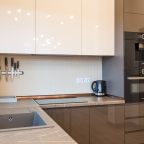
Use easy-to-clean materials in high-traffic areas of the property. Easy-to-clean flooring might be vinyl or laminate. Walls might be painted with hard-wearing paint. Furniture should be sturdy with smooth surfaces. Soft furnishings should also be easy to clean. Neutral colors and simple designs throughout the property will also put the landlord at ease if maintenance or repainting is needed.
2. Windows and Staircases With Little Ones
When modifying a property to be pet- and family-friendly, the first thing to consider is what risks and dangers are present from a young child’s perspective.
To begin with, staircases should have secure handrails and undamaged steps. Safety gates should be installed at the top and bottom of staircases. Windows should be easily operable to restrict airflow, and window restrictors should be installed if necessary.
Other things which may also be of assistance include:
- Using wall anchors to secure heavy furniture to the wall.
- Store medicines and household chemicals in closed, locked locations.
- Repairing and replacing damaged fittings and edges.
- Inspecting and removing any hazardous cables and sockets.
Blind cords should be secured out of the reach of children.
3. Modify external spaces
For many families, particularly those with children, the garden is an important part of a home.
Check fences, boundary walls, and gates for gaps, and repair them to prevent pets from escaping. Secure gate latches to prevent pets from running through.
Remove any plants that may be harmful to guests. Check the steps and paths on the property to see if any repair work is needed to level them out.
Articles property's outdoor space in Lifestyle Daily offer many additional ideas to improve the outside space on the property.
4. Confirm what safety requirements apply to the property
Regardless of whether a property is pet or child-friendly, landlords have certain obligations to uphold.
In England, annual safety checks and records of gas appliances must be provided to tenants by a Gas Safe registered engineer.
Every fixed electrical installation on the property must be checked and tested by a qualified person every 5 years, and a copy of the report must be provided to the tenants.
Smoke alarms must be installed on each storey which is used as living space by the tenants.
In rooms with solid fuel burning appliances, tenants must be provided with a carbon monoxide alarm.
The property must be free from major disrepair, damp and other detrimental conditions which may be detrimental to the health of the occupants.
Landlords should consult the guidance on the GOV.UK website to confirm what their obligations are with respect to each of these requirements.
Landlords should also be aware that from 2025, with the implementation of the Renters’ Rights Act, they will not be able to refuse potential renters simply because they have children. Laws pertaining to private rented housing differ between England and the other nations of the UK; therefore, landlords should check the regulations relevant to their property in other nations.
5. Have a pet policy
The England reforms to rented housing legislation mean that from 2025 renters will be able to keep pets in their home with the landlord’s permission. A request to keep a pet must be made in writing by the renter and must include information about the pet. The landlord has 28 days to respond in writing to the request. Refusal to allow a pet must be for good reason. Good reasons may include the renter having a pet allergy or the property being too small for a particular pet.
Pets should be included in the tenancy agreement along with the terms and conditions pertaining to the pet, including any additional obligations the renter has to the landlord to clean up after the pet or to carry out repairs. For more information, see the government’s guidance on keeping pets in rented accommodation.
6. Manage the risks of letting
Though every effort is made to prevent it, damage to a property can occur even with the best occupants. Damage can especially occur with pets. Once a property has been let, it can be difficult to find another tenant to cover a vacancy caused by repairs.
It’s also important to confirm that the landlord insurance covers the method of occupation, particularly if tenants wish to move in with children or pets.
Consider potential risks of tenants removing items from the property or accidentally causing damage. Speak with an insurance broker to clarify your exposure.
For other activities to do while outside, see our article on ‘6 things to do in the garden before winter’.
7. Prepare a comprehensive inventory and conduct equitable inspections
Prior to tenants moving in, you should create an inventory of the property including photos of each room, taking particular note of the condition of the walls and floors.
Tenants should also be given the opportunity to review this inventory to ensure an equitable description of the condition of the property at the start of the tenancy.
Routine inspections of the property should be conducted to identify maintenance issues. Notice should be given to the tenants prior to the inspection, and the inspection should be conducted at a time convenient to the tenants.
8. Final preparation checklist
Prior to tenants moving in, landlords should check the following:
- Repair or replace damaged wall coverings and trim.
- Check the safety of windows and furniture.
- Secure garden gates and fences.
- Eliminate any hazardous items, including gas line chemicals.
- Perform a gas and electrical safety check.
- Install and check smoke and carbon monoxide alarms.
- Reach a decision on pet policy.
- Take inventory of the items in the property with photographs.
- Confirm with the insurance company or broker any pertinent information regarding the insurance policy.
- Arrange to be notified and inspect the property on a schedule established by the tenants.
For suggestions on flooring best suited to use by families, see the article ‘Transform Your Home’ by Lifestyle Daily.
Fitting the property out to accommodate families or tenants with pets need not cost a landlord a great deal of money. Inexpensive, long-lasting improvements to the property go a long way to protect the landlord’s investment.
Promotional content.