





How to Make Your Draughty Old House Feel Like a Modern Home (Without Losing Its Soul)
There's a particular type of misery that comes with owning a beautiful old house in winter. You're wearing three jumpers indoors, the heating bill rivals your mortgage payment, and you can literally feel cold air whistling through the window frames while you're trying to watch telly.
I bought my Edwardian semi precisely because I loved the high ceilings, original fireplaces, and gorgeous bay windows. What I didn't love was seeing my breath in the bedroom on January mornings, or the condensation streaming down the windows, creating black mould on the sills.
Here's the good news: you absolutely can transform a draughty old house into a warm, comfortable modern home without ripping out everything that made you fall in love with it in the first place.
Finding the Real Culprits
Before throwing money at solutions, I needed to understand where heat was actually escaping. A thermal imaging survey revealed the truth:
- Windows: 40% of heat loss – Single-pane sash windows with perished seals
- Roof and loft: 25% – Zero insulation, heat rising straight out
- Walls: 15% – Solid walls with no cavity insulation
- Gaps and cracks: 20% – Around doors, floorboards, service entries
Understanding these percentages changed everything. I'd been planning to start with the floors (expensive, disruptive, low impact). Instead, I tackled the biggest wins first.
The Window Dilemma
This is where most period property owners face a genuine conflict. Your original windows are beautiful. They're also thermally disastrous and possibly rotting.
I got quotes for restoration versus replacement. The honest truth? Restoring my sash windows to make them more energy-efficient would have cost more than replacing them, and they still wouldn't perform as well as modern alternatives.
I had to make peace with something: preserving character doesn't mean keeping every original element when it's actively making your life miserable.
I went with made-to-measure timber replacements that replicate the original proportions. Supply-only from specialists like https://woodenwindows-online.co.uk/ meant I could get quality engineered timber windows at a sensible price, then I arranged installation separately with a local carpenter who understood period properties.
The difference was immediate. Rooms felt warmer instantly. Road noise basically disappeared. The condensation and mould? Gone completely. My winter heating bills dropped by over £100 monthly.
The Unsexy Game-Changer
Loft insulation is the home improvement equivalent of eating your vegetables. Nobody gets excited about it, but the impact is enormous.
Professional installation costs £450 for 270mm of insulation throughout the loft. The payback period was under two years based on heating savings alone.
Before: heating was on constantly, the house was never quite warm. After heating on for shorter periods, the house stays warm for hours.
It's not glamorous. You can't Instagram it. But in terms of comfort improvement per pound spent? This was the single best money I spent on the house.
Tackling the Floors
Those gap-filled floorboards needed sorting without losing the original pine. The solution was surprisingly simple: fill the gaps.
I used flexible floor filler for small gaps, timber strips for medium ones, and papier-mâché (newspaper and PVA – sounds mad, works brilliantly) for large gaps. Total cost: about £80 and several weekends of work.
For ground-floor rooms, I added insulation boards underneath where accessible. Fiddly, but worthwhile.
The Heating Upgrade
My ancient boiler was about as efficient as burning £50 notes. Upgrading to a modern condensing boiler with smart thermostatic valves transformed everything.
Smart heating isn't just phone control – it's heating rooms only when needed, learning your schedule, and preventing the "too hot then too cold" cycle.
Combined with insulation improvements, my winter bills dropped from £180+ monthly to around £75. Same house, more warmth, less than half the cost.
Small Changes, Big Impact
Once the major work was done, various small improvements compounded the comfort:
Heavy thermal curtains – Closed at dusk, they create an insulating barrier in bay windows.
Draught-proofing strips – Around doors and windows. Fiddly but stops cold blasts.
Chimney balloons – For unused fireplaces. Stops heat disappearing up the flue.
Letterbox excluder – The cold air through my letterbox was ridiculous. A brush seal solved it for £8.
None individually transformed the house, but collectively they eliminated "death by a thousand draughts."
Heritage vs. Comfort Balance
You don't have to choose between living in a beautiful period property or a comfortable home. You can have both.
My replacement windows from suppliers like https://woodenwindows-online.co.uk/windows/ preserved the period aesthetic while delivering 21st-century performance. The street view looks authentic; the interior warmth is modern.
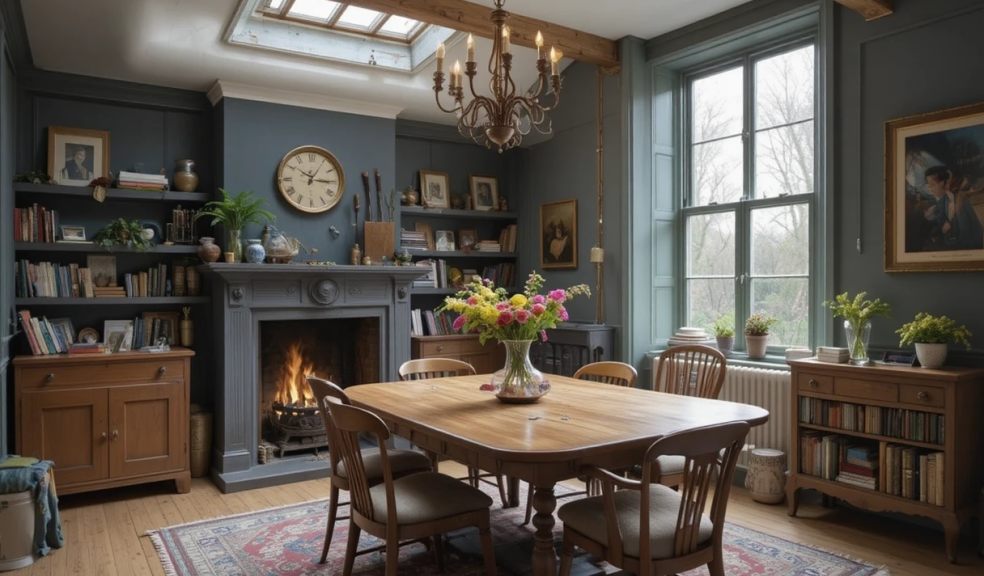
My picture rails, cornicing, fireplaces, floorboards? All original, all preserved, all part of what makes this house special.
It's about strategic updating, not wholesale modernisation.
What I'd Do Differently
If starting from scratch, I'd tackle things in this order:
- Loft insulation – Biggest impact, lowest cost
- Windows – Major heat loss and quality of life improvement
- Boiler upgrade – Makes everything else more effective
- Draught-proofing – All the small gaps
- Floor insulation – Worthwhile but lower priority
The Money Reality
Total spent over 18 months:
- Windows (supply + installation): £14,500
- Loft insulation: £450
- New boiler: £2,800
- Draught-proofing and floors: £600
- Various improvements: £400
Total: £18,750
Annual heating saving: approximately £1,200
But the real value isn't just the numbers. It's about genuinely enjoying living in your home year-round.
I can now work from my home office in winter without fingerless gloves. My kids don't complain about freezing bedrooms. We actually use the living room in January instead of huddling in the kitchen.
The house feels lighter, too. Better windows mean more natural light floods in. Rooms that were dim and gloomy now feel airy and welcoming.
Permission to Update
If you're living in a draughty old house feeling guilty about wanting warmth, let me give you permission: it's okay to update your period property.
You're not destroying history by wanting double glazing and insulation. The Edwardians would have absolutely installed these if available. They weren't cold by choice.
The goal isn't creating a museum – it's creating a home that works for modern life while respecting the building's character.
Making It Happen
Start with the least invasive, highest impact improvements. Loft insulation, draught-proofing, and heating controls can be done without disrupting the building's fabric.
When ready for bigger changes like windows, do your research. Get multiple quotes. Talk to installers who understand period properties. Remember: supply-only options exist if you want control over costs and have good local tradespeople.
The transformation won't happen overnight, but each improvement compounds the others. Each winter becomes progressively more bearable.
My draughty old Edwardian semi is now warm, comfortable, and still beautifully period-appropriate. It can be done.
Now if you'll excuse me, I'm off to enjoy my warm living room while wearing only one jumper. Living the dream.