






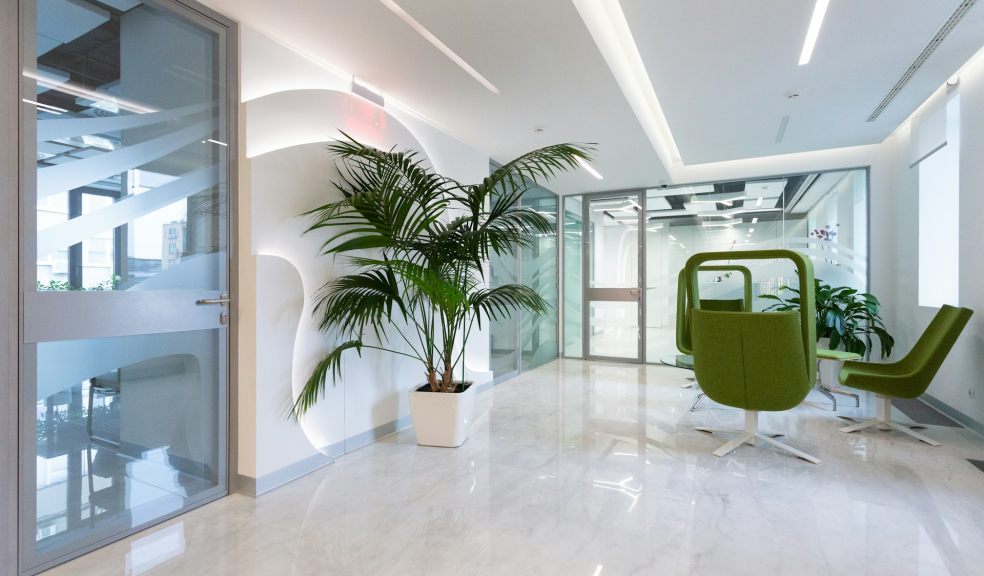
Benefits of Glass Partitions in Healthcare Spaces
Modern healthcare facilities require spaces that are hygienic, efficient, and patient-focused. Glass partitions offer a smart alternative to traditional walls by improving infection control, enabling clear patient monitoring, and maximising natural light. They also support privacy and flexible layouts without compromising safety. As hospitals modernise their infrastructure, glass partitions contribute to better workflow and healing environments.
In this article, you will learn the key benefits and strategic advantages of using glass partitions in healthcare spaces.
Superior Hygiene and Infection Control
In healthcare spaces, hygiene and infection control are important considerations. Healthcare glass partitions have smooth, non-porous surfaces that can be cleaned and wiped regularly. Glass does not trap dust or moisture easily, which supports routine cleaning processes. This makes them suitable for areas such as hospitals, clinics, and laboratories where maintaining organised and easy-to-maintain interiors is a priority.
Improved Patient Monitoring and Staff Efficiency
Good visibility helps staff notice changes quickly, without needing to enter the room every time. Transparent divisions can support supervision while keeping zones defined. Clear sightlines may reduce repeated walking between corridors and adjoining rooms. Doors, access control, and limited frosting should be planned carefully so workflows stay smooth and patient dignity is maintained.
Enhanced Natural Light and Healing Environment
Improved natural light distribution can make care areas feel calmer and easier to navigate. Glass can let light pass into deeper parts of the building. Brighter corridors and rooms may feel less enclosed, which can support comfort during long waiting times. Glare can be reduced through thoughtful placement, suitable finishes, and lighting layouts that avoid strong reflections on the glass.
Privacy Without Isolation
Patients often need privacy, but solid walls can feel separating. Glass can create boundaries while keeping spaces visually connected. Frosted bands or films can reduce visibility into the room from corridors, while keeping the space bright. This approach can support dignity in consultation and treatment zones, especially when signage and layout cues guide people clearly.
Acoustic Performance for Confidential Care
Confidential discussions need sound control as well as visual screening. The right glazing system can help limit sound travel. Acoustic laminated glass, well-fitted doors, and seals may improve privacy by reducing gaps where sound leaks. Regular checks of door closers and seals can support steady performance in busy clinical settings.
Flexibility and Cost Efficiency in Hospital Infrastructure
Healthcare layouts often change as services expand or workflows improve. Modular systems can support updates with less disruption than fixed construction. Demountable glazing may allow quicker re-planning and phased upgrades, which can reduce downtime during renovations.
Glass partitions for wellness centres are also selected where spaces need periodic refreshes to suit changing programmes. Standard modules and accessible spares may support steadier long-term budgeting.
Conclusion
Glass partitions can help define clinical zones while keeping interiors brighter and easier to oversee. With careful specification, they may support cleaning routines, clearer visibility, light spread, and improved privacy through screening and acoustic detailing. Their modular nature may also suit facilities that need to adjust layouts over time. The best results depend on matching the glass, fittings, and installation quality to daily healthcare demands.