






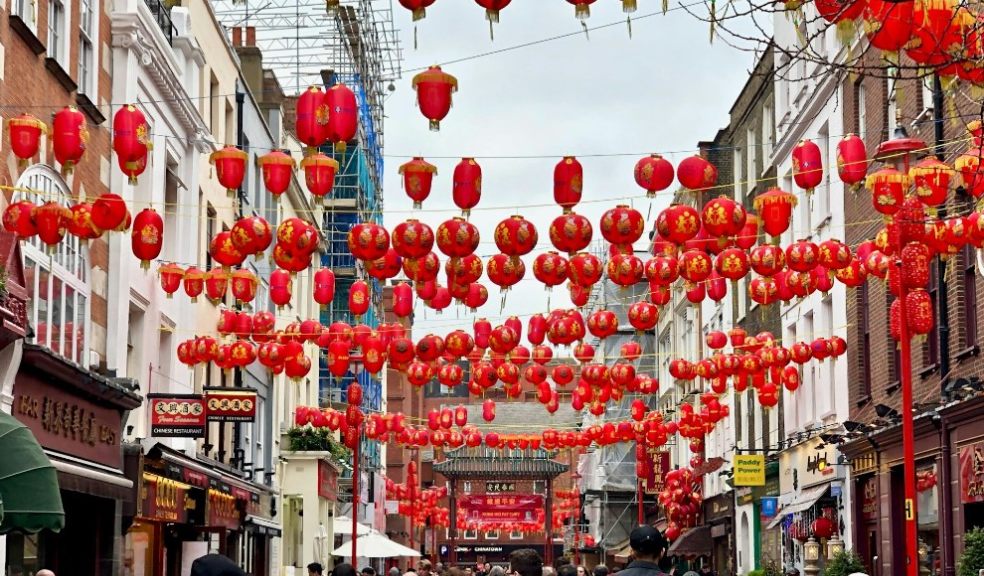
How London's Chinatown Is Winning Over Vegetarian Diners
The streets around Gerrard Street have long been synonymous with roast duck and char siu pork. But a quieter revolution is changing what vegetarian visitors can expect from London's most famous food district.
London's Chinatown has never had a reputation as a vegetarian destination. For decades, the draw has been the glistening rows of roast meats hanging in restaurant windows, the seafood tanks bubbling by the entrance, and menus built around pork, duck and prawns. Vegetarian diners who ventured in often found themselves limited to a handful of token dishes at the back of the menu: vegetable spring rolls, fried tofu with mixed veg, or a plate of egg fried rice.
That picture is shifting. Restaurants across Chinatown are expanding their vegetarian offerings, not because of outside pressure from food bloggers or wellness trends, but because of a culinary tradition that predates modern plant-based eating by centuries. The result is some of the most interesting and underrated vegetarian food in central London, hiding in plain sight among the roast duck windows.
The Buddhist Kitchen Tradition Behind Chinatown's Vegetarian Menus
Vegetarian cooking in Chinese cuisine is not new. Buddhist temple kitchens across southern China have been producing entirely meat-free meals for over a thousand years. Cantonese Buddhist vegetarian cooking, known as "jai" or "zhai cai", developed its own sophisticated techniques for transforming tofu, mushrooms, root vegetables and wheat gluten into dishes that rival their meat-based counterparts in both flavour and texture.
Temple-style vegetarian cooking follows strict principles. Garlic, onion, chives, spring onion and leek are traditionally avoided alongside meat and fish, pushing chefs toward more creative flavour building with ginger, sesame, fermented bean pastes and dried mushrooms. The dried shiitake mushroom, in particular, carries an intense savoury depth that forms the backbone of many Buddhist vegetarian dishes still served in Chinatown today.
Several Chinatown restaurants now draw directly on this tradition. Rather than offering Westernised meat substitutes, they serve dishes rooted in centuries of Chinese vegetarian cooking practice. Braised tofu skin rolls, stuffed mushroom caps, taro croquettes and steamed vegetable dumplings wrapped in translucent rice flour all trace their origins back to temple kitchens in Guangdong province.
Why Dim Sum Is Leading Chinatown's Vegetarian Charge
Dim sum, the Cantonese tradition of small steamed, fried and baked dishes served alongside endless pots of tea, turns out to be one of the most naturally vegetarian-friendly styles of Chinese dining. The format lends itself to variety. A table of four can order a dozen different dishes and try everything without committing to a single main course, which makes it far easier for mixed groups of vegetarian and non-vegetarian diners to eat together happily.
Chinatown's dim sum restaurants have responded by growing their vegetable-based selections considerably. Steamed crystal dumplings filled with chive and water chestnut, crispy taro puffs with mushroom, and pan-fried turnip cakes made with shrimp-free recipes are appearing on more menus than ever. Plum Valley on Gerrard Street is a good example: the Cantonese restaurant carries over twenty vegetarian dim sum items alongside its traditional menu, including temple-style dishes that would satisfy strict Buddhist dietary requirements. That kind of depth is still unusual for a restaurant that is not exclusively vegetarian, and it makes Plum Valley one of the strongest options for vegetarian dim sum in Chinatown without having to sacrifice the full Cantonese experience.
Other Chinatown spots have taken similar steps. Dumplings' Legend offers vegetarian xiao long bao, Bun House serves plant-based bao, and Golden Phoenix includes a dedicated vegetarian section on its dim sum card. The common thread is that these are not afterthought dishes. They are made with the same techniques and care as the prawn har gow and pork siu mai sitting in the next steamer basket.
What Vegetarian Diners Are Actually Ordering in Chinatown
The most popular vegetarian dishes in Chinatown extend well beyond the stir-fried vegetables and plain tofu that once defined the experience. Mapo tofu, the Sichuan classic of silken tofu in a fiery, numbing sauce, is available at several restaurants in meat-free versions that lose none of the heat. Aubergine braised in garlic sauce, a Cantonese staple, has become a firm favourite among vegetarian regulars. Salt and pepper tofu, deep fried until the edges crisp and tossed with chilli and spring onion, rivals any meat dish on the table for sheer satisfaction.
Chinese vegetarian cooking also makes extensive use of ingredients that most Western kitchens overlook entirely. Lotus root, sliced thin and fried into delicate chips. Winter melon, slow braised until it turns translucent and silky. Morning glory, flash woked with fermented bean curd for a salty, smoky kick. Water chestnuts, bamboo shoots and wood ear mushrooms all add textures and flavours that have no real equivalent in European vegetarian cooking.
Research from the Vegetarian Society suggests the UK's vegetarian and flexitarian population continues to grow year on year, with millions of Britons now actively reducing their meat intake. That shift represents a significant dining market. For Chinatown restaurants, the maths is straightforward: serving better vegetarian food means filling more seats, particularly at weekends when mixed groups are looking for somewhere everyone can eat well.
A Broader Shift in How London Eats Chinese Food
Chinatown's vegetarian evolution sits within a wider change in how Londoners approach Chinese food. The old model, where restaurants offered a single Cantonese menu plus a few Sichuan crossover dishes, is giving way to something more diverse and regional. Specialities from Hunan, Fujian, Yunnan and Dongbei provinces are now represented in the neighbourhood, and each of these cuisines brings its own vegetarian traditions and ingredients.
The arrival of younger, often London-born Chinese chefs has also pushed the conversation forward. Many have trained in professional kitchens outside Chinatown and returned with a desire to showcase the full breadth of Chinese cuisine, including its long and rich vegetarian heritage. The Chinatown London district itself has actively promoted this diversity through seasonal food events and restaurant partnerships.
For vegetarian diners, the practical message is simple. London's Chinatown is no longer a place to survive on spring rolls while your friends eat the interesting stuff. With a bit of menu literacy and a willingness to explore beyond the obvious, it offers some of the most rewarding meat-free dining in the city. The ingredients are ancient, the techniques are proven, and the flavours have been refined over centuries of Buddhist kitchen practice. All that has changed is that Chinatown's restaurants are finally putting those dishes front and centre.