





Olympic gold medallist warns marathon runners of four common recovery mistakes
Many marathon runners are unknowingly undermining their recovery in the crucial 48 hours after race day, according to a Sally Gunnell OBE, Olympic Gold Medallist, keynote speaker, wellbeing advocate, and founder of Life’s Hurdle, who says recovery should be treated as an integral part of the event itself.
Sally Gunnell OBE, Olympic gold medallist and founder at Life’s Hurdle told Chill Tubs,
“Having run a marathon myself a few years ago, it was hard but I loved the whole experience. What people most underestimate is that recovery is part of the event, not separate from it. Crossing the finish line may feel like the end, but your body is only just beginning the repair process.
“As a 400m hurdler, recovery was about getting ready for the next explosive track session. Marathon recovery is different because it’s about cumulative stress, muscle breakdown, hydration, sleep and allowing the body proper time to repair.”
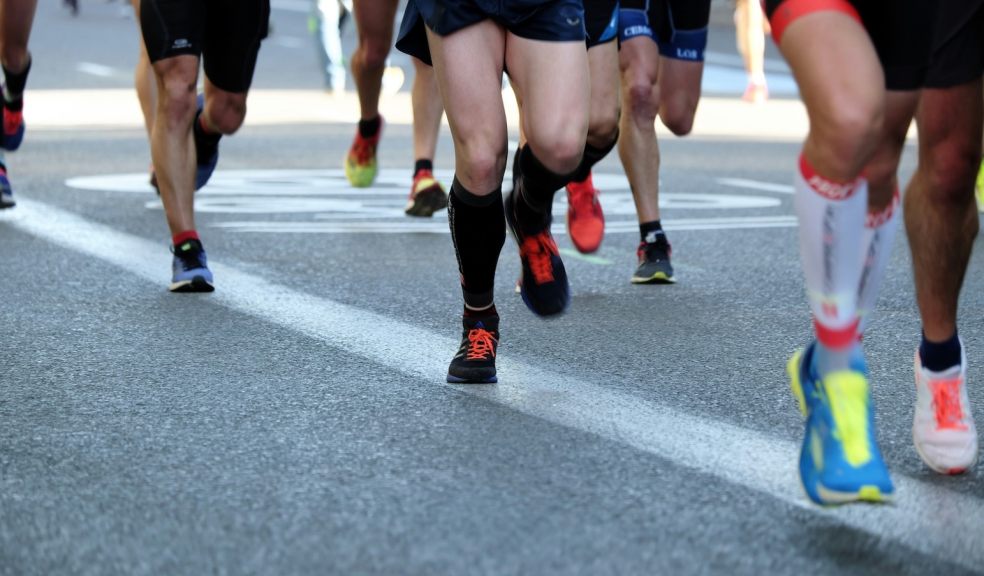
The warning comes amid growing participation in mass marathon events across the UK, with this year’s London Marathon seeing over 1,133,813 public ballot applications; a world record. Many first-time and amateur runners return to training too quickly or overlook early recovery fundamentals, which is why Chill Tubs collated the following tips.
The 48 hour mistake window
Sally notes that the first 24-48 hours after a marathon is the most critical period, when adrenaline often masks the true extent of fatigue and muscle damage.
Sally said,
“The biggest mistake is doing too much too soon because adrenaline hides how exhausted the body really is. The focus should be on prioritising walking, hydration with electrolytes, carbohydrates plus protein, sleep, gentle mobility, and allowing the body to settle.”
“For most runners, anything inside 2–3 days is usually too soon. A sensible return is often 5–7 days, longer for first-time runners.
“Many recreational runners underestimate the difference between recovery from shorter exercise bursts, everyday training sessions, and endurance race recovery. This leads to avoidable fatigue and prolonged soreness.”
Myth of ‘pushing through soreness’
One of the most persistent misconceptions in endurance sport is the “push though” mindset. In relation to pain and sore muscles.
Sally warns,
“The biggest myth in running is still ‘push through the soreness’. Good recovery is movement, hydration, sleep, nutrition, smart cold treatment and patience.”
“Instead, runners should prioritise hydration and electrolytes immediately after finishing and the days that follow. They should also focus on carbohydrate and protein intake to support muscle repair, alongside sleep and gentle movement.”
“Runners should monitor their bodies closely in the days following a marathon. Any persistent swelling, sharp pain, calf tightness, limping, severe fatigue, dizziness, headaches and dehydration symptoms should not be ignored.”
Underestimating the impact of heat and dehydration on recovery
For those running marathons in warmer conditions, recovery can be further complicated by heat stress and fluid loss.
Sally said,
“Hot weather increases fluid loss and electrolyte depletion, so cooling strategies become even more important.”
“Runners need to be proactive not just during the race, but in the hours immediately after, prioritising rehydration with electrolytes rather than water alone to support muscle function and prevent cramping.
"Heat stress also places additional strain on the cardiovascular system, which can prolong fatigue and delay the body’s ability to repair muscle tissue. This means recovery may take longer than usual, with a greater risk of dizziness, headaches, and ongoing exhaustion if hydration and cooling aren’t properly managed.
"Simple strategies like gradual cooling, avoiding alcohol, eating water-rich foods, and monitoring urine colour can all help runners recover more effectively and reduce the risk of more serious heat-related illness.”
Not leveraging therapy tools
Cold immersion methods, such as ice baths and recovery tubs, are increasingly being used to support post-marathon recovery.
Sally said,
“Cold treatment can reduce leg heaviness, ease soreness and help calm inflammation once the body has settled. The key is short, controlled exposure once breathing and body temperature have returned to normal.”
“Hydrotherapy more broadly, including contrast bathing or warm water immersion such as hot tubs, can also play a role. While cold helps manage inflammation, heat can encourage blood flow, relax tight muscles and support mobility in the days following a race.
“Ultimately, there’s no one-size-fits-all approach. Recovery depends on age, training load, sleep quality, stress levels, and whether it’s a first marathon or not. Some runners respond well to cold immersion, while others may benefit more from gentle movement, stretching or massage.”
Sally concludes,
“Treat recovery as part of the training plan. Hydration, sleep, movement and cold treatment can make a huge difference to how quickly you feel like yourself again.”
For further information on endurance running recovery and water-based therapies that support it, visit Chill Tubs.