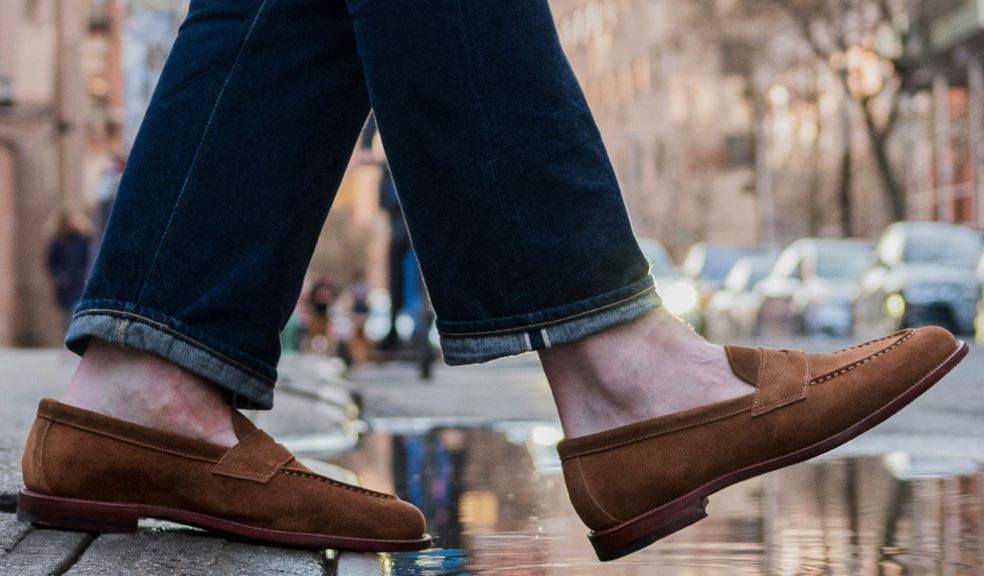
The 50p trick that could save your rain-damaged suede
Suede is one of autumn's biggest fashion trends, but wet weather can leave lasting marks. A fashion expert reveals a simple way to rescue your favourite items.
With autumn rain making its unwelcome return, one of this year's biggest fashion trends could be facing its toughest test yet.
Suede jackets, handbags and shoes have become wardrobe favourites, but the delicate material is notoriously vulnerable to water damage.
And with wet and windy weather threatening to spoil carefully chosen outfits, shoppers are increasingly searching for ways to protect their purchases.
According to fashion retailer Accessorize, Google searches for 'what happens if suede gets wet' have surged by 5,000 per cent over the past month.
But before consigning a rain-stained jacket or handbag to the back of the wardrobe, fashion experts say there is a surprisingly simple solution that could cost as little as 50p.
The answer could already be sitting in your stationery drawer.
Rebecca Ribeyro, Buying and Design Director at Accessorize, says an ordinary white pencil rubber can help remove minor water marks from suede without causing further damage.
“When suede gets caught in the rain, the biggest mistake people make is panicking and trying to fix the mark immediately,” she explained.
“For small marks that have already dried, one surprisingly useful item to have at home is a clean white rubber.
“When used very gently across your item, it can help lift the left surface marks from the suede without introducing additional moisture.
“I would always test this somewhere discreet first and use as little pressure as possible.”
Suede gets its distinctive soft, velvety appearance from tiny raised fibres known as the nap.
When these fibres become wet, they can flatten or stiffen, leaving darker patches and unsightly water marks as the material dries.
But Rebecca warns that attempting to remove stains too quickly can make matters worse.
Adding more water to wash away a mark is particularly risky, as suede is highly sensitive to moisture.
Using a hairdryer or placing wet items on a radiator is another common mistake, with direct heat potentially damaging the material permanently.
Instead, damp suede should be allowed to dry naturally at room temperature before any attempt is made to remove marks.
And when using the pencil rubber trick, it is important to choose a clean, plain white rubber rather than a coloured one, which could transfer pigment onto the fabric.
Gentle pressure is also essential, as vigorous rubbing can damage the delicate fibres.
Once the mark has been treated, Rebecca recommends using a specialist suede brush to restore the material's texture.
“Once you've treated the mark, a suede brush – which you can get for as little as £5 – will help lift the fibres back into place,” she said.
“The key is to work with the material rather than against it. Suede has a delicate nap, so by vigorous scrubbing you're more likely to cause damage than solve the problem.”
However, the simple stationery trick is best reserved for small, superficial marks rather than serious water damage.
For jackets, handbags or shoes that have become completely soaked, Rebecca advises checking the manufacturer's care instructions and allowing the material to dry naturally.
“If the staining is extensive, the colour has changed significantly or the item is particularly valuable, it's worth leaving it to a professional rather than experimenting with household products,” she added.
So, while Britain's unpredictable weather might not be particularly kind to this season's suede fashion favourites, a little patience, gentle care and a humble pencil rubber could help keep them looking their best.