




How to regain confidence while dealing with hair loss
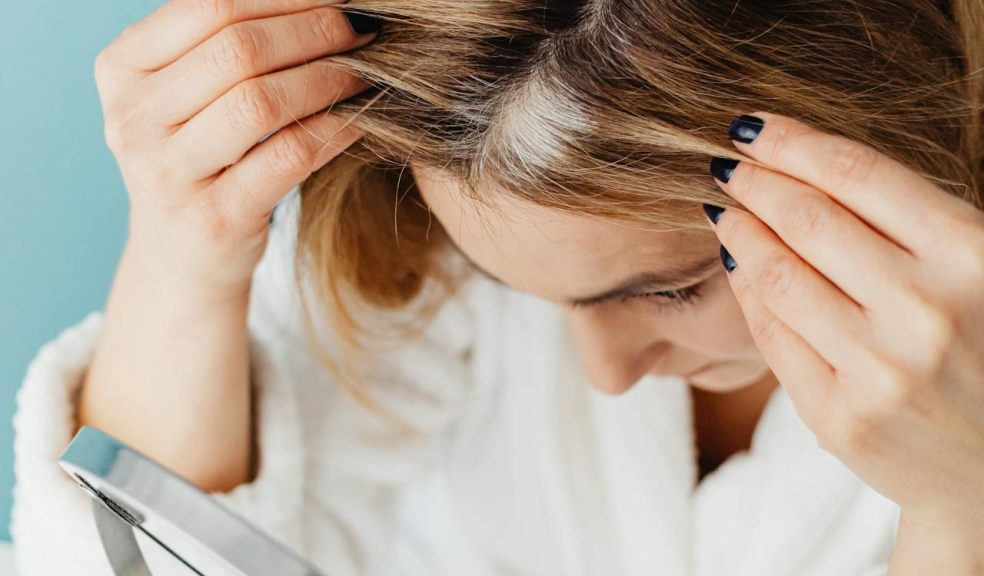
Hair loss is far more than a physical change. For millions of women in the UK, it touches something deeper: how we see ourselves, how we feel walking into a room, and how we relate to others. Around eight million women in the UK are affected by hair loss, and the emotional weight of that experience is something that deserves just as much attention as the medical side.
- Understanding Why Hair Loss Can Affect Confidence
Hair is closely tied to identity. It features in how we present ourselves professionally, socially, and personally, which is why changes to it can feel so destabilising. As the NHS notes in its guidance on women and hair loss, losing your hair, especially at a vulnerable point in life, can badly affect confidence and self-esteem. Feelings of anxiety, embarrassment, and social withdrawal are common responses, and they are entirely valid. Acknowledging that this is a genuine emotional experience, not vanity, is an important first step.
- Embracing the Skinification of Scalp Care
One of the most significant shifts in hair health right now is the move towards treating the scalp with the same seriousness as skincare. According to BeautyMatter's 2026 haircare trends report, consumers are increasingly understanding the scalp as skin that ages, driving demand for preventative, long-term approaches instead of surface-level fixes. This internal, foundation-first thinking extends to nutrition. Some women choose to support their hair health by improving their diet or exploring options such as targeted hair loss vitamins for women formulated to address nutritional deficiencies commonly linked to thinning, including iron, biotin, and zinc. It is always worth speaking to a GP before starting any supplement regimen.
- Practical Ways to Rebuild Confidence Day to Day
Practical strategies can make a meaningful difference while longer-term approaches take effect. Experimenting with different hairstyles, cuts, or hair fibres can restore a sense of control over your appearance. Quality wigs and hairpieces have come a long way, and many women find them genuinely empowering and not a compromise. Seeking advice from a trichologist, a specialist in scalp and hair health, can help identify causes and options specific to your situation. Connecting with support communities, whether online or in person, also helps to ease the isolation that hair loss can bring.
- Supporting Hair Health and Overall Wellbeing
Hair health does not exist in isolation from general health. Managing chronic stress, eating a varied and nutrient-rich diet, staying hydrated, and getting adequate sleep all create the conditions in which hair is more likely to thrive. If hair loss is sudden, significant, or accompanied by other symptoms, it is worth speaking to a GP, who can investigate potential underlying causes and discuss treatment options suited to your circumstances.
Regaining confidence after hair loss is rarely a single action but a gradual process built from small steps. But with the right support, both practically and emotionally, it is entirely possible to feel like yourself again.