






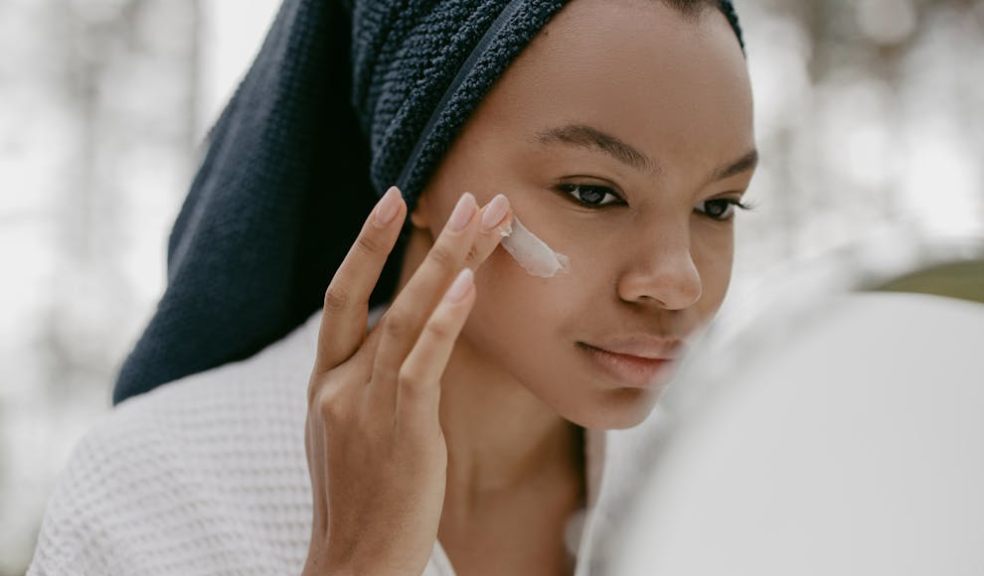
The Truth About Active Ingredients: What Your Skin Really Needs
Beauty shelves and social feeds are full of hero ingredients and miracle claims. Retinol. Vitamin C. Niacinamide. Hyaluronic acid. Every week, a new one trends, backed by before-and-after photos and influencer endorsements. Dr Ophelia Veraitch, a private dermatologist in London whose skin clinic at Harley Street treats patients with everything from acne to hyperpigmentation, sees the consequences of this daily. Patients arrive with damaged skin barriers and worsening concerns, not from neglect, but from doing too much. More actives do not mean better skin. This article explains which ingredients are genuinely worth your money, what they actually do, and how to use them without causing harm.
What Actually Makes an Ingredient "Active"?
An active ingredient is a clinically studied compound that produces a measurable, documented change in the skin. It is not just a marketing term, though it has become one.
Most skincare products also contain inactive or carrier ingredients. These do not change the skin itself. They give a product its texture, help it spread evenly, and carry the active ingredient to where it needs to work. Both matter, but they are not the same thing.
The problem is that the word "active" now appears on labels for products containing trace amounts of an ingredient, far too little to produce any real effect. Concentration matters enormously. So does formulation. A well-evidenced active ingredient in the wrong delivery system, at the wrong percentage, will not perform. An active ingredient is only as good as its evidence base, its concentration, and its delivery into the skin.
The Actives That Actually Have Clinical Backing
Retinoids (Vitamin A)
Retinoids are the most evidence-backed anti-ageing ingredient available. They stimulate collagen production, increase cell turnover, treat acne, and reduce pigmentation. The gap between over-the-counter retinol and prescription tretinoin is significant in terms of strength and speed of results. The most common mistakes are starting at too high a concentration, skipping SPF while using them, and combining them with harsh exfoliating acids.
Vitamin C (Ascorbic Acid)
Vitamin C is an antioxidant that neutralises free radical damage, brightens uneven skin tone, and supports collagen production. It is also notoriously unstable. Formulation matters as much as the ingredient itself. It works best applied in the morning, underneath SPF. The effective concentration window lies between 10 and 20 per cent. Below that, results are limited. Above it, the risk rises.
Niacinamide (Vitamin B3)
Niacinamide is one of the most versatile actives available and one of the most well-tolerated. It strengthens the skin barrier, reduces the appearance of pigmentation, calms redness, and regulates sebum production. It works across skin types, including sensitive and acne-prone skin. It is also one of the few actives that pairs well with most others in a routine, making it a reliable foundation ingredient.
Hyaluronic Acid
Hyaluronic acid is a humectant, meaning it draws moisture into the skin. It is not a treatment active in the same sense as retinoids or vitamin C. Its effectiveness depends on molecular weight and the humidity level of the environment you are in. In dry climates or in centrally heated rooms, it can actually pull moisture from the skin if there isn't enough in the surrounding air. It is an excellent supporting ingredient but not a standalone solution for any skin concern.
Azelaic Acid
Azelaic acid is consistently underrated. It has clinical backing for acne, rosacea, and hyperpigmentation, and it is gentle enough for sensitive skin. It is available in both over-the-counter and prescription strengths. For adult skin dealing with multiple overlapping concerns, it is one of the most practical and effective options available.
The Ingredients That Are Overhyped Right Now
Not every trending ingredient has the evidence to match its marketing.
Bakuchiol is frequently promoted as a natural retinol alternative. Some early studies show promise, but the data do not come close to what exists for retinoids. Topical collagen products are popular, but collagen molecules are too large to penetrate the dermis. Oral collagen supplements are more plausible, but the research is still developing. Snail mucin and fermented skincare ingredients are not harmful, but the evidence behind them is thin.
Trending does not mean proven. Marketing language and clinical evidence are two very different things, and the skincare industry regularly blurs the line between them.
Why Layering More Actives Does Not Mean Better Results
The more-is-more approach is one of the most common mistakes seen in the clinic. Using several activities at once does not accelerate results. It usually creates problems.
Some ingredient combinations cause real issues. Retinol, when used alongside AHA or BHA acids, can cause significant irritation and barrier breakdown. Using multiple exfoliating acids in a single routine strips the skin barrier and increases both sensitivity and the risk of pigmentation. The concern about combining vitamin C and niacinamide is largely a myth at the concentrations found in modern products, but pairing either with an unstable routine still causes problems.
Introduce one new active at a time, and wait 4 to 6 weeks before assessing results. Barrier damage from overloaded routines is increasingly common, and it takes significantly longer to repair than it does to cause.
SPF: The Active Most People Skip
SPF is the single most evidence-backed intervention for preventing skin ageing and pigmentation. Without it, most actives are working against a tide of daily UV damage that undoes their effects.
This is especially important when using retinoids, vitamin C, or AHAs, all of which increase the skin's sensitivity to UV exposure. Minimum SPF 30 applied daily, regardless of weather, season, or skin tone. This is non-negotiable in any clinical skincare conversation, and it is the step that makes everything else in a routine actually work.
When to Go Beyond Over-the-Counter
Over-the-counter actives have a ceiling. Concentration limits for cosmetic products are set below prescription strength by design. For mild concerns and maintenance, they can be enough. For persistent acne, scarring, uneven pigmentation that has not responded to three months of consistent OTC use, or skin that reacts to most products, a dermatologist assessment is the right next step.
Prescription-grade retinoids, prescription azelaic acid, and compounded formulations deliver results that no off-the-shelf product can match. A treatment consultation with a dermatologist gives you a treatment plan built around your actual skin rather than a generic skin type.
The Bottom Line
The skincare industry profits from complexity, but effective skin health is straightforward. A small number of well-evidenced actives, used correctly, consistently, and always alongside SPF, will outperform any ten-step routine built on trending ingredients. Cut through the noise, match your actives to your concerns, and give them time to work.